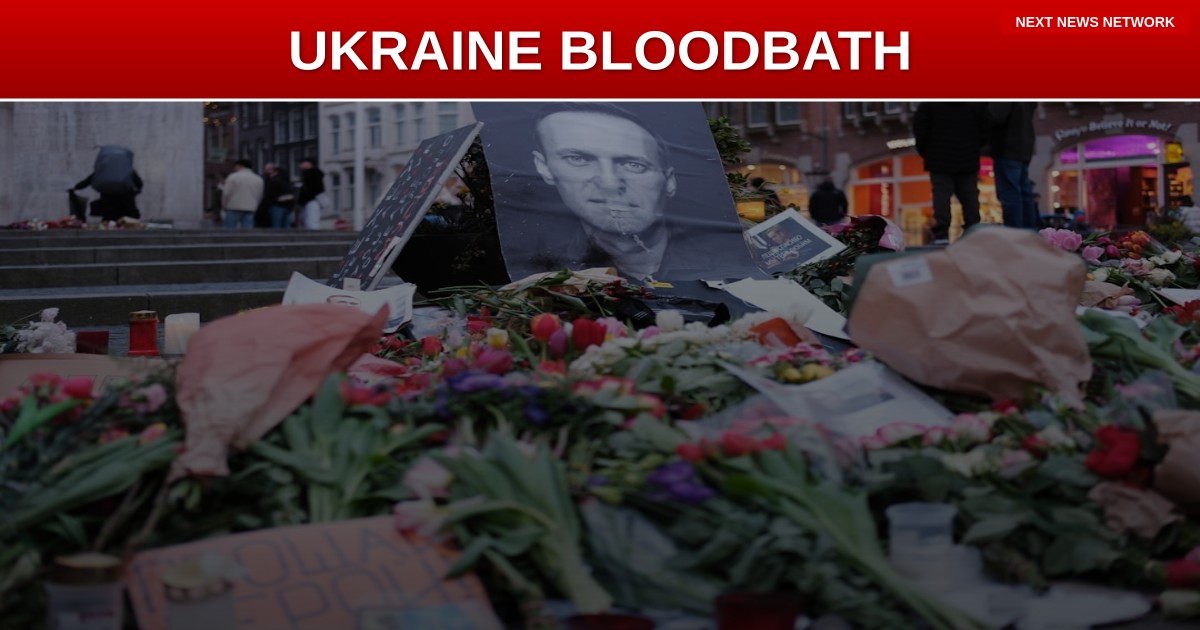
In the grim tally of the Ukraine conflict, now dragging into its fifth year, independent estimates place the death toll at over 400,000 soldiers and civilians combined, a catastrophic human cost that has become a defining scar on global geopolitics. What began as Russia's full-scale invasion in February 2022 has devolved into a protracted meat grinder, with Ukrainian forces suffering devastating losses amid relentless Russian advances in the east. Western intelligence assessments, corroborated by leaked documents and battlefield analyses, reveal monthly casualties exceeding 20,000 on the Ukrainian side alone in recent months, fueling accusations that prolonged U.S. involvement under President Biden turned a containable crisis into a slaughterhouse.
Biden's diplomatic strategy, centered on unconditional arming of Kyiv without serious negotiation overtures, drew sharp criticism from the outset. Despite early promises of swift victory through NATO-backed weaponry like HIMARS and Abrams tanks, the administration's refusal to engage Moscow directly—eschewing peace summits or territorial concessions—allowed the war to fester. Critics, including former U.S. officials, argue this approach not only escalated the death toll but also drained American stockpiles and billions in aid, with little strategic gain. Zelenskyy's government, propped up by over $175 billion in U.S. assistance, faced internal dissent as conscription riots and desertions mounted, underscoring the futility of Biden's "unwavering support" mantra.
Enter President Trump, whose 2024 electoral triumph positioned him to inherit this blood-soaked mess. In his first weeks back in the Oval Office, Trump dispatched envoys to both Kyiv and Moscow, reviving stalled talks that Biden had sidelined. Leveraging personal rapport with Putin—honed during his first term—and pressure on Zelenskyy through aid conditions, Trump has brokered preliminary ceasefires in key sectors like Donbas. Yet, the shadow of Biden's tenure looms large: entrenched corruption in Ukraine's military aid pipeline and war-weary European allies complicate cleanup efforts, with NATO fractures widening as Hungary and Slovakia balk at further funding.
Analysts warn that while Trump's realpolitik—emphasizing energy deals and security guarantees over endless proxy war—offers a path to de-escalation, the human wreckage demands accountability. Families on both sides mourn sons lost to what many now call Biden's "forever war" folly, a policy that prioritized ideological posturing against Russia over pragmatic peace. As Trump navigates this inheritance, the Ukraine bloodbath serves as a stark lesson in the perils of diplomacy divorced from reality, with the world watching whether his deal-making can staunch the flow of blood before winter claims more lives.
International observers, from the UN to think tanks like the RAND Corporation, project that without swift resolution, casualties could surpass 600,000 by year's end. Trump's team remains optimistic, citing backchannel progress on prisoner swaps and neutral-zone buffers, but the cleanup is proving far messier than promised—a direct consequence of policies that favored confrontation over compromise.
