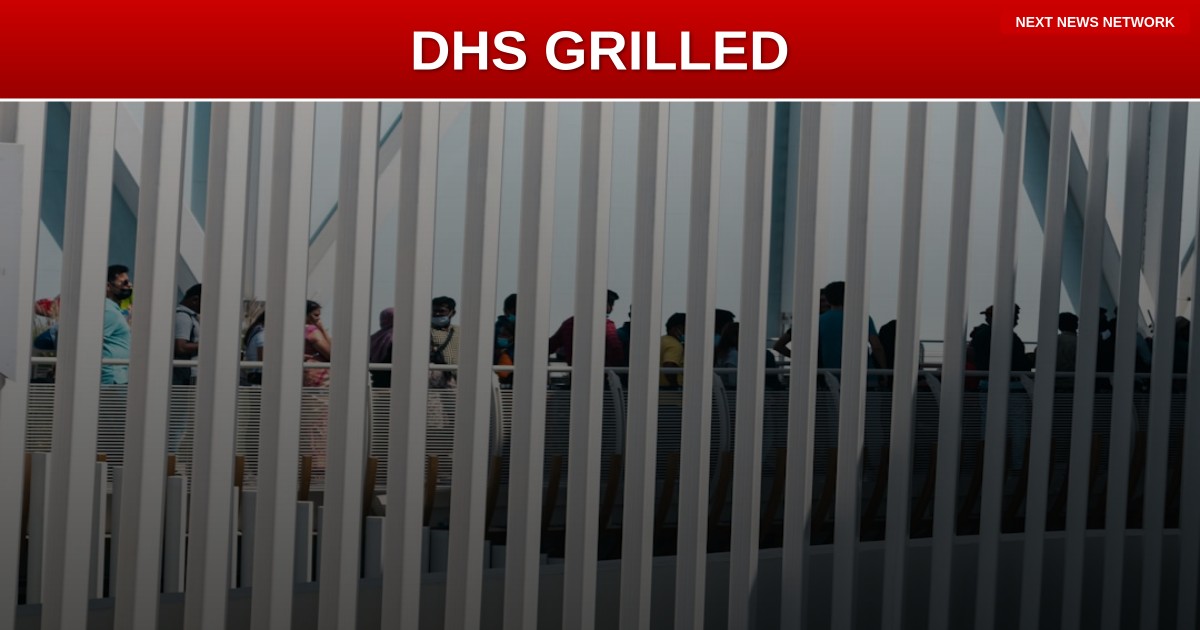
In a fiery congressional hearing that electrified Capitol Hill, top Department of Homeland Security officials endured hours of intense questioning from lawmakers furious over President Trump's sweeping mass deportation initiative. The session, held before the House Oversight and Judiciary Committees, saw DHS Secretary Kristi Noem and ICE Director Thomas Homan defending the administration's aggressive enforcement as essential to national security, while Democrats branded it a "humanitarian catastrophe" unfolding at breakneck speed.
Lawmakers zeroed in on reports of over 1.2 million deportations in the first year of Trump's second term, surpassing previous records and targeting not just criminals but long-term undocumented residents. Representative Alexandria Ocasio-Cortez demanded answers on family separations, citing cases where U.S.-born children were left behind after parents' removals. Noem countered sharply, emphasizing that ICE prioritizes public safety threats—murderers, drug traffickers, and gang members—accounting for 65% of those deported, backed by DHS data showing a 40% drop in border crossings since January 2025.
The grilling intensified when Homan revealed operational details: expanded detention facilities in Texas and Arizona, partnerships with local law enforcement under 287(g) programs, and the use of military aircraft for rapid removals. Critics like Senator Dick Durbin accused the administration of overreach, pointing to lawsuits from sanctuary cities and allegations of racial profiling. Homan dismissed the claims, noting that deportations follow due process and that voluntary departures now exceed 300,000, offering a humane off-ramp for those without criminal records.
Context for the blitz traces back to Trump's Day One executive orders, which revoked Biden-era catch-and-release policies, reinstated Remain in Mexico, and mobilized the National Guard to the border. Supporters hail it as fulfilling campaign promises amid a migrant surge that saw 10 million encounters since 2021. Yet opponents warn of economic fallout, with industries like agriculture and construction facing labor shortages, and humanitarian groups reporting strained resources in receiving countries like Venezuela and Guatemala.
Analysis from policy experts underscores the political tightrope: Trump's base cheers the momentum, with polls showing 55% public approval for stricter enforcement, but suburban swing voters express unease over optics. As midterm elections loom, Democrats aim to paint the policy as cruel, while Republicans frame it as restoring the rule of law. The hearing ended without resolutions, but with promises of further probes—and hints that impeachment whispers could gain traction if deportations hit two million by summer.
Looking ahead, DHS vows to accelerate under a "secure borders first" mantra, potentially invoking the Alien Enemies Act for high-profile cases. Whether this blitz reshapes America's immigration landscape or sparks a constitutional showdown remains the burning question gripping Washington.