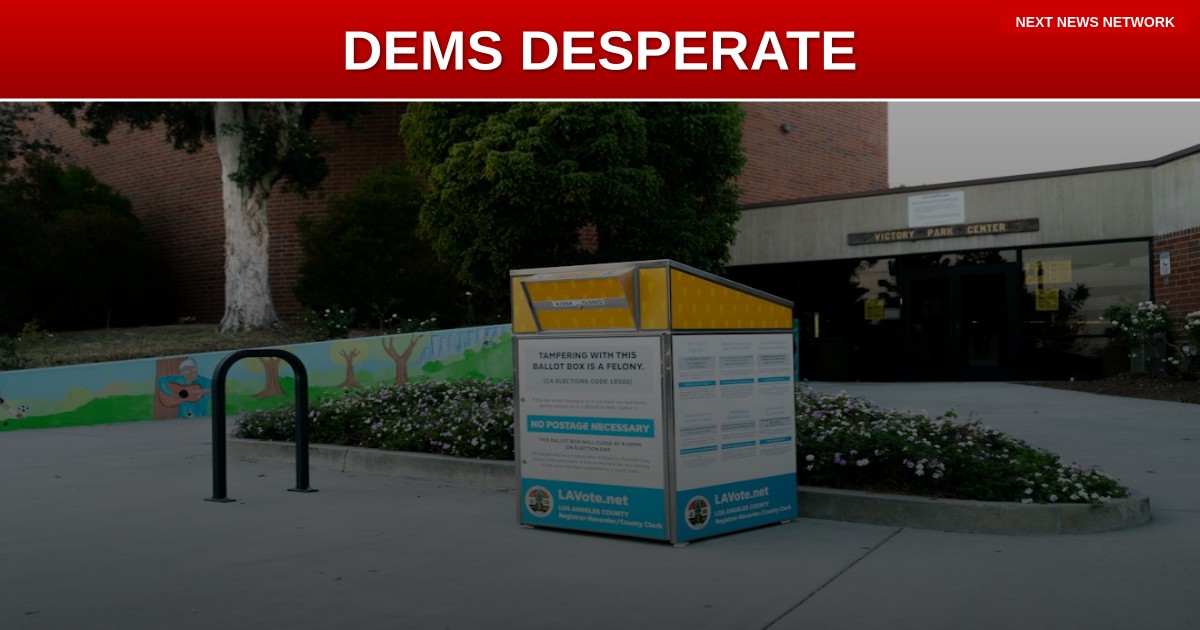
In a bold and unusually early move, House Democrats have zeroed in on 44 Republican-held seats as prime targets for the 2026 midterms, rolling out attack ads and ground operations months ahead of the traditional campaign cycle. The Democratic Congressional Campaign Committee (DCCC) announced the offensive Tuesday, framing it as a "pathway to reclaim the majority" amid a political landscape still dominated by GOP control following their sweeping 2024 victories. Key battlegrounds include swing districts in California, New York, and Pennsylvania, where narrow GOP wins in the last cycle make incumbents appear vulnerable.
The strategy marks a departure from past cycles, with Democrats citing internal polling that shows softening Republican support in suburban areas hit hard by lingering economic pressures. High-profile targets include freshmen Republicans like Michelle Steel in California's 45th District and Mike Lawler in New York's 17th, both of whom flipped seats blue in 2022 before holding them amid the red wave. DCCC Chair Suzan DelBene touted the list as "winnable opportunities," backed by a war chest already surpassing $50 million in early fundraising, funneled through PACs and grassroots networks.
Republicans, however, brushed off the assault as the flailing of a desperate minority party clinging to relevance. House GOP leadership, buoyed by President Trump's approval ratings hovering near 55% in recent surveys, highlighted their ironclad majority of 220-215 seats and a redrawn map favoring conservatives. NRCC spokesman Matt Gorman quipped, "Democrats are swinging early because they know their record—skyrocketing inflation, open borders, and crime surges—will be the real campaign ad come November 2026."
Contextually, the Democratic gambit comes against a backdrop of their historic 2024 drubbing, where they hemorrhaged 15 House seats and the Senate while losing the White House. Voter frustration over Biden-era policies, including a national debt explosion to $36 trillion and record migrant encounters exceeding 10 million, has left the party scrambling for a reset. Yet early generic ballot polls from Rasmussen and Trafalgar show Republicans leading by 4-6 points nationally, suggesting the DCCC's proactive strikes may falter against incumbency advantages and unified GOP messaging.
Analysts point to Democrats' internal divisions—exacerbated by progressive infighting and a failure to distance from "woke" cultural mandates—as additional headwinds. Districts targeted often feature independents who swung right in 2024 over issues like school choice and law enforcement funding. If history is any guide, off-year midterms under a Republican president typically punish the out-party further, as seen in 2010 and 2018. For Democrats, this early barrage risks overexposure, allowing Republicans ample time to counter with pointed reminders of their governance failures.
While the 44-seat map provides Democrats a theoretical roadmap to a slim majority, the path is fraught with peril. GOP strategists predict a firewall of at least 20 seats, bolstered by Trump's likely heavy involvement in primaries and turnout operations. As the cycle heats up, the real question remains: can Democrats overcome their baggage, or will voters deliver another verdict on their stewardship?
