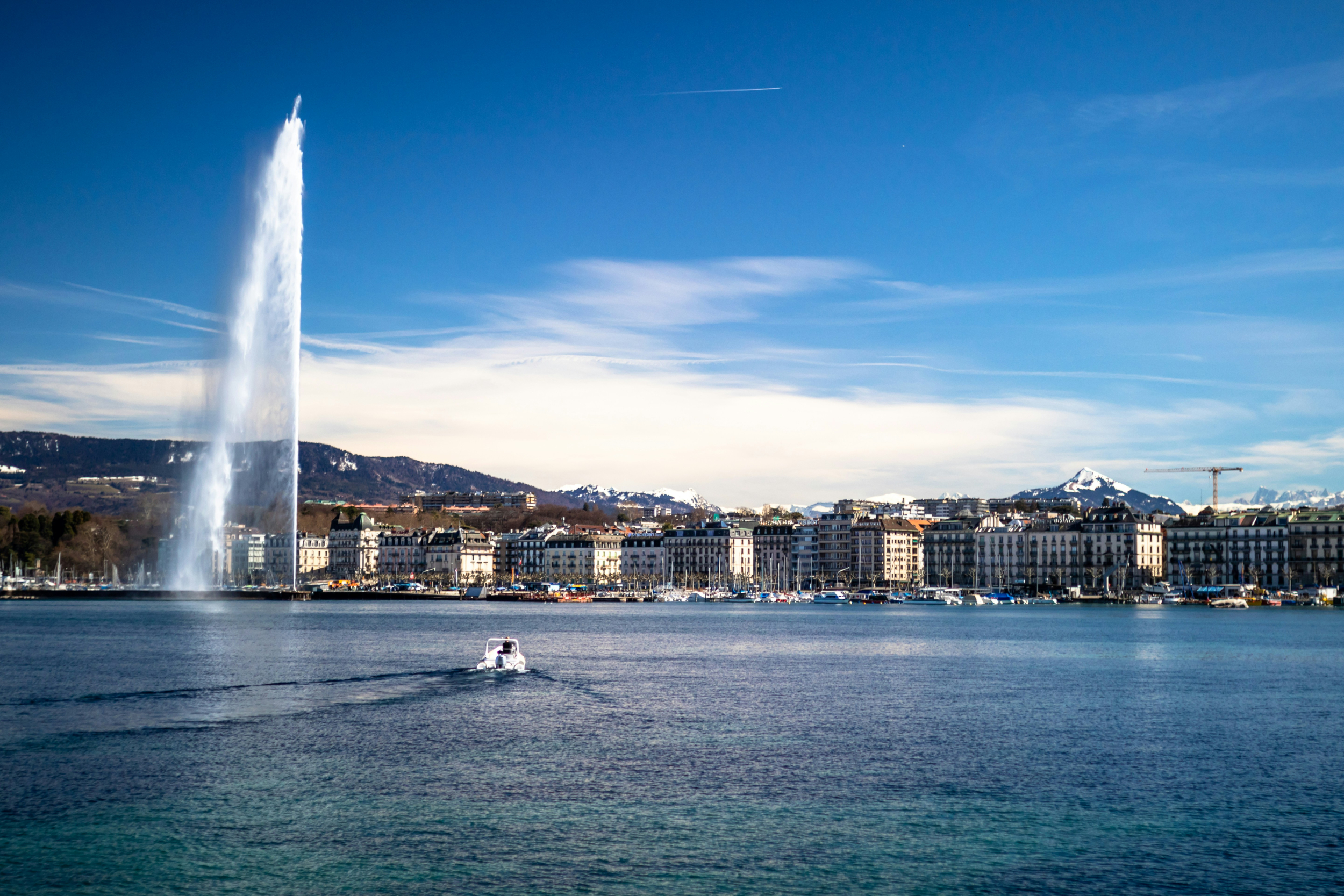
Geneva is once again preparing to take centre stage in global diplomacy as theUnited States and Iran move towards a formal signing ceremonyfor a memorandum of understanding (MoU) aimed at ending months of conflict and opening a new phase of negotiations.
The agreement, announced afterintensive mediation efforts led by Pakistan and Qatar, is expected to be formally signed in Geneva later this week. The discussions and political framework also acknowledged support from Saudi Arabia, Egypt, and Turkey.
The framework reportedly includes an end to military operations, thereopening of the Strait of Hormuzand a60-day period of negotiations on unresolved issues, including sanctions and nuclear concerns.
While some details remain under discussion, both Washington and Tehran have confirmed that a preliminary understanding has been reached.
The choice of Geneva is hardly surprising. For more than 150 years, the Swiss city has served as a neutral meeting ground where adversaries have negotiated some ofthe world's most significant agreements.
What other treaties have been signed in Geneva?
Perhaps the most influential agreements ever associated with Geneva are the Geneva Conventions.
The first convention was signed in 1864 following efforts by Swiss humanitarian Henry Dunant and the International Committee of the Red Cross. It createdprotections for wounded soldierson the battlefield and laid the foundation for modern humanitarian law.
Following the devastation of the Second World War, nations returned to Geneva in 1949 to expand those protections. Four treaties were adopted, covering wounded and sick soldiers on land and at sea, prisoners of war and civilians caught in conflict.
Today, the Geneva Conventions remain the cornerstone of international humanitarian law and are recognised by virtually every nation in the world.
Source: International Business Times UK
