In a significant boost to bilateral economic ties, the United States and Bangladesh have finalized a landmark trade agreement set to reshape commerce between the two nations. Signed in Washington by U.S. Trade Representative Katherine Tai and Bangladesh's Commerce Minister Tipu Munshi, the deal slashes tariffs on Bangladeshi ready-made garments entering the U.S. market while opening doors for American agricultural exports and technology investments into Bangladesh. Valued at an estimated $10 billion over five years, the pact comes at a pivotal moment for Dhaka, which is rebuilding its economy after recent political upheavals.
The agreement builds on years of negotiations intensified following the U.S. suspension of Bangladesh's Generalized System of Preferences (GSP) status in 2021 over labor rights concerns. Key provisions include duty-free access for 97% of Bangladeshi apparel exports, stricter enforcement of workplace safety standards monitored jointly by both governments, and a $2 billion U.S. investment fund targeting Bangladesh's textile sector modernization. In return, Bangladesh commits to reducing non-tariff barriers on U.S. soybeans, cotton, and machinery, addressing long-standing complaints from American exporters.
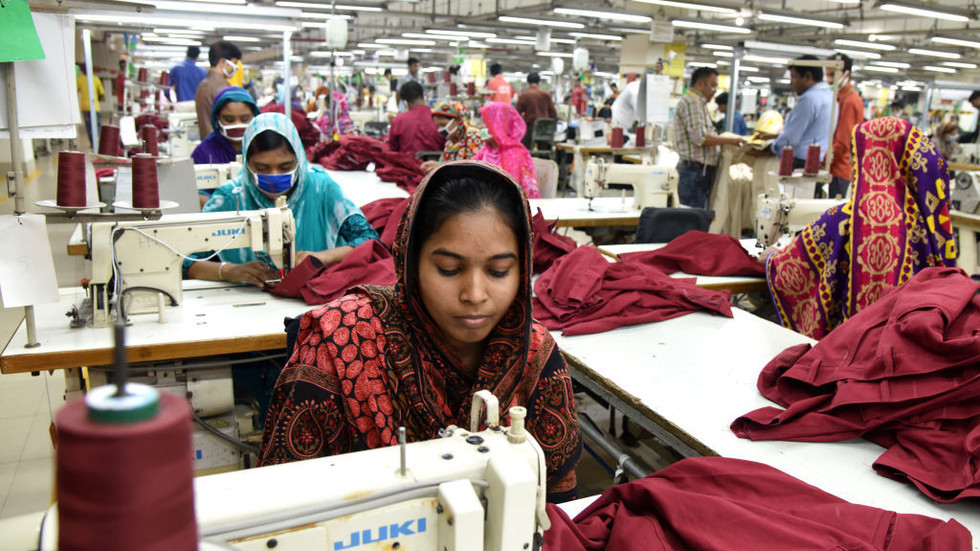
Bangladesh, the world's second-largest apparel exporter after China, ships over $9 billion in garments to the U.S. annually, employing millions in its factories. The deal arrives amid Dhaka's efforts to diversify from overreliance on low-cost manufacturing, incorporating clauses for skill development programs funded by U.S. firms like Gap and Levi Strauss. U.S. officials hailed it as a model for "friendshoring" supply chains away from geopolitical rivals, enhancing resilience against disruptions like those seen during the COVID-19 pandemic.
Reactions have been largely positive, though not without caveats. Bangladesh's garment manufacturers association celebrated the tariff cuts as a lifeline for 4 million workers facing factory closures, while U.S. farm lobbies praised expanded market access. Critics, including some labor activists, worry that enforcement of safety reforms may falter, pointing to past Rana Plaza tragedies. Nonetheless, both governments frame the pact as mutually beneficial, with Bangladesh Prime Minister Muhammad Yunus calling it "a new chapter of prosperity."
Geopolitically, the trade deal underscores Washington's deepening engagement in South Asia to counterbalance China's influence, where Beijing holds significant leverage through Belt and Road infrastructure loans. For Bangladesh, straddling the Indo-Pacific crossroads, alignment with the U.S. could unlock further aid and security cooperation, potentially stabilizing its interim administration ahead of elections. Analysts predict the agreement will spur GDP growth for both economies, signaling a thaw in trade relations strained by global protectionism.
