Millions of children under 16 could be banned from using social media under new government plans aimed at tackling online harms and reducing the influence of addictive digital platforms on young people.
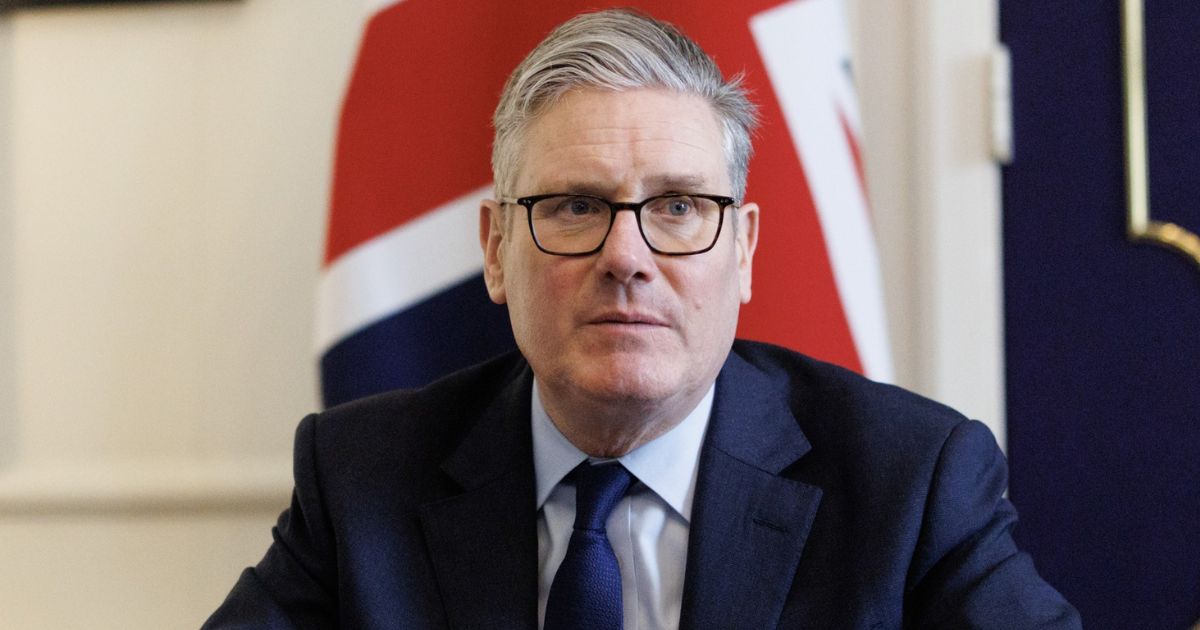
The proposals, announced byPrime Minister Sir Keir Starmerand Technology Secretary Liz Kendall on 15 June, would mark one of the biggest changes to Britain's online safety framework in years. Modelled in part onAustralia's landmark social media restrictions for under-16s, the plans would also introduce tighter controls on livestreaming, some gaming services and AI companion chatbots.
The government intends to bring the measures before Parliament before Christmas, with restrictions potentially coming into force in Spring 2027. Officials say the plans are designed to 'give kids their childhood back' and create a safer online environment for young people.
Under the proposals, the restrictions would apply to user-to-user social media services that allow users to share content and interact through recommendation algorithms.
Platforms expected to fall within the scope of the ban include TikTok, Instagram, Snapchat, Facebook, X and YouTube. Ministers argue that these services are most closely associated with the algorithm-driven feeds and engagement features that the government is seeking to restrict for younger users.
I am simply not prepared to be a bystander when the safety and happiness of our children are at stake.We will ban social media access for under 16s, and give children their childhoods back.Read more about it here:https://t.co/oqX7ufHB4Rpic.twitter.com/3ZxmVFG0OY
Messaging platforms such as WhatsApp and Signal are not expected to be included. Educational services, e-commerce websites, music-streaming platforms and most online retail services are also likely to be exempt under a narrowly defined list of exclusions.
The government said the final list of affected services will be confirmed as part of a wider policy response due in July.
Alongside restricting access to social media platforms, ministers have proposed additional protections aimed at reducing online risks for children. Under the plans, under-16s would be prevented from livestreaming themselves across online platforms, while services that allow communication between children and unknown adults would face stricter controls.
The proposals would also apply to some gaming platforms where stranger-to-stranger communication is possible, although multiplayer gaming itself would not be banned. In addition, so-called AI 'romantic companion' chatbots designed to simulate intimate relationships would be required to enforce a minimum age of 18.
Source: International Business Times UK
