The email landed with a dull thud in inboxes across Britain: a dry, bureaucratic update about student loan repayments that, in reality, may have just redrawn a key battle line in British politics.
Behind the jargon was something brutally simple. From April 2027, the salary threshold at which millions of graduates start repaying their Plan 2 student loans will be frozen for three years at £29,385. In plain English: as wages creep up with inflation, more will be clawed back from already stretched paychecks. No consultation, no warning, no pretence that the deal students signed up to a decade ago still means what it said.
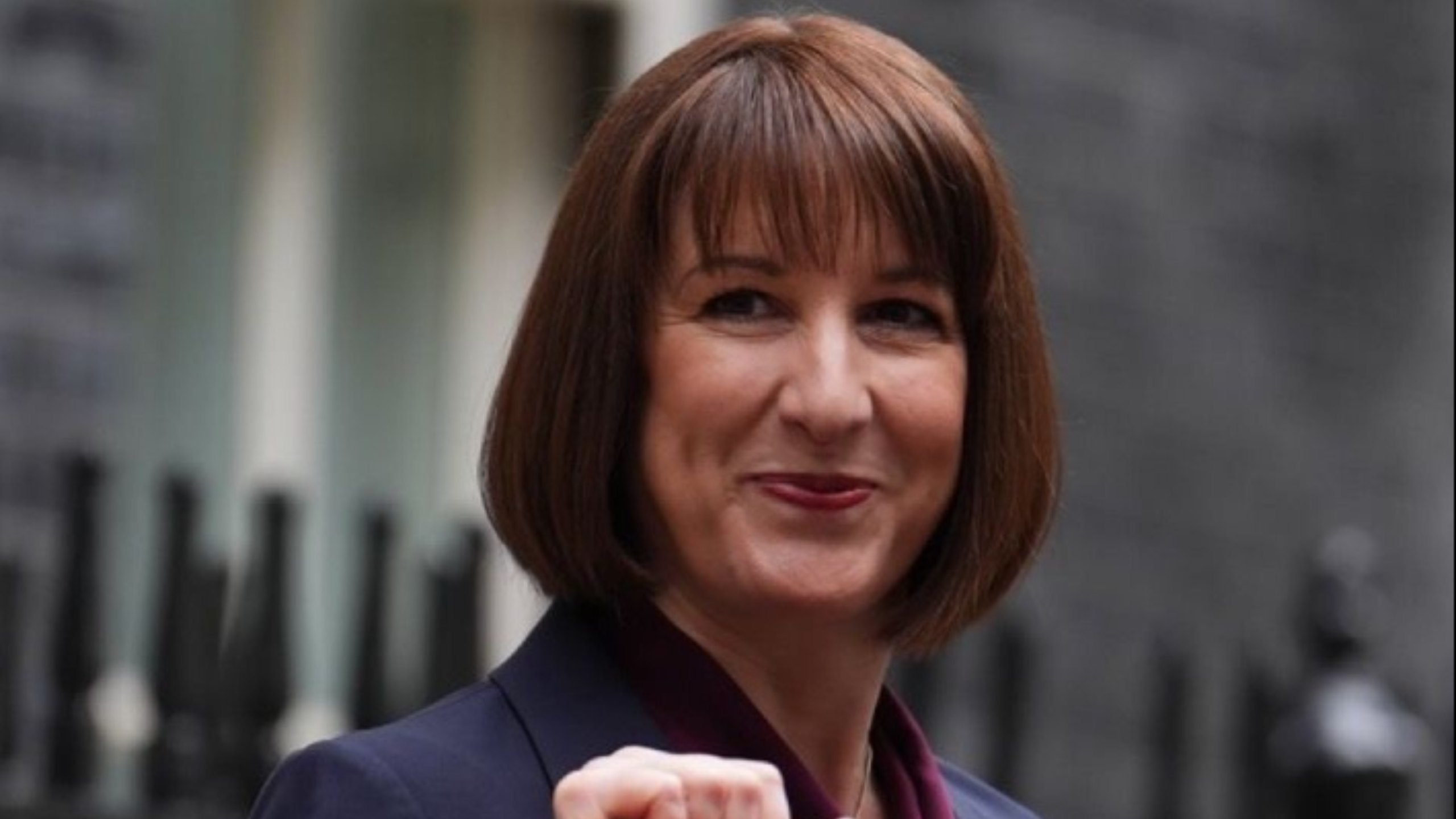
Chancellor Rachel Reeveswent on camera to insist this was 'fair and reasonable.' For many of the 3.6 million people on these loans, it landed more like a slap in the face.
Reeves is supposed to be the sober adult in the room—the former Bank of England economist who would finally steady Britain's finances after years of Tory chaos. Instead, she has stumbled into a row that makes her look, to some, less like a responsible custodian and more like a state-sanctioned loan shark.
Because that's the uncomfortable core of this story. Imagine any commercial lender simply deciding to change the terms of your loan after the fact—no new contract, no negotiation, just a unilateral shift that costs you thousands over time. We have words for that kind of behaviour, and most of them aren't printable.
‘It’s a complete scandal’: Graduates accuse government of acting like ‘loan sharks’ over student lendinghttps://t.co/g9oYBDM9zy
Money Saving Expert founder Martin Lewis, who has quietly become the country's de facto consumer ombudsman, didn't mince words. Freezing the threshold, he said, was 'not a moral thing to do.' Coming from a man famously allergic to hyperbole, that should have been a blaring siren in the Treasury.
Campaigners at Rethink Repayment have been spelling out what this means in real life: more graduates dragged into repayment sooner, more of their earnings siphoned off, and more time stuck in a system that was already stacked against them. New Statesman executive editor Oli Dugmore put it bluntly onQuestion Time, noting that the combined tuition fees of everyone else on the panel wouldn't even cover a single year of his own Plan 2 tuition.
This is the Plan 2 generation—students who started university from 2012, when fees tripled to £9,000 a year and the whole thing was sold as a pragmatic investment in your future. Instead, it has turned into a slow-motion debt trap.
To understand why Reeves's move feels so incendiary, you have to look at the structure of these loans. They aren't like traditional debt. Interest rates have soared with broader economic instability, and for many graduates, the balance has ballooned faster than they can chip away at it. The unspoken truth is that most Plan 2 borrowers will never clear their debt before it's written off—yet they'll watch tens of thousands vanish from their wages over 30 years.
Source: International Business Times UK
