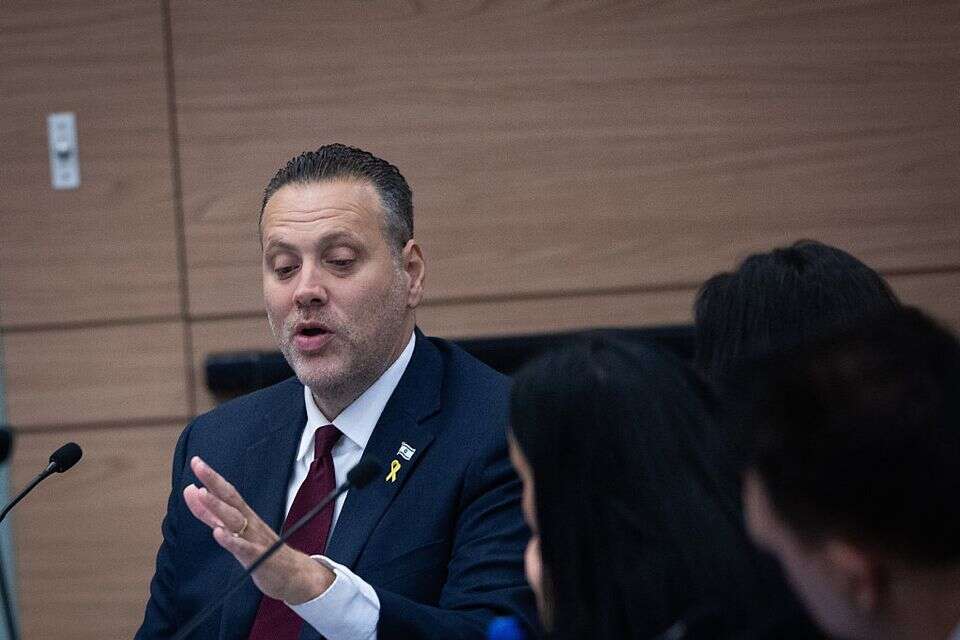
Tension ignited Thursday evening at the bustling Herzliya Cultural Center as Knesset Member Miki Zohar, derisively nicknamed the "Minister of Subculture" by critics, arrived for a panel discussion on Israeli arts funding. No sooner had his convoy pulled up than dozens of protesters surged forward, chanting "Zohar out!" and waving signs accusing him of stifling creative freedom. Security forces quickly formed a human barrier, escorting the Likud politician inside amid shouts and scuffles that halted traffic on the main boulevard.
The outburst stemmed from Zohar's vocal push for government oversight of cultural institutions, a stance that has polarized Israel's arts scene. Protesters, many identifying as artists and left-leaning activists from groups like the Israeli Artists Against the Occupation, hurled accusations of censorship, pointing to his recent Knesset speeches calling for defunding projects deemed "anti-Zionist." One demonstrator, painter Leah Cohen, told reporters, "He's not a minister of culture—he's a minister of subculture, forcing his narrow ideology on all of us."
Inside the venue, Zohar addressed a crowd of supporters, framing the protest as "anarchist intolerance." He defended his positions, arguing that taxpayer money should not subsidize works that "delegitimize the state," referencing controversial theater productions and films critical of military actions in Gaza. The event, organized by the conservative Culture Front organization, proceeded under heightened security, with speakers praising Zohar's efforts to reclaim Israel's cultural narrative from what they call leftist dominance.
This clash underscores deepening rifts in Israel's culture wars, exacerbated by the ongoing judicial overhaul debates and post-October 7 divisions. Zohar, a rising star in Netanyahu's coalition, has positioned himself as a cultural warrior, advocating for laws that tie arts grants to "values alignment." Critics, including opposition leaders from Yesh Atid, condemned the protests but warned that such policies risk turning Israel into a cultural backwater, drawing parallels to Hungary's illiberal arts crackdowns.
As the night wore on, the protest dispersed peacefully after police reinforcements arrived, but the incident amplified calls for dialogue. Event organizers hailed attendance as a success, while activists vowed more disruptions at future appearances. In a statement, Zohar's office emphasized commitment to "balanced cultural policy," signaling no retreat from the fray. With elections looming, these confrontations highlight how culture has become a frontline in Israel's political battles.
