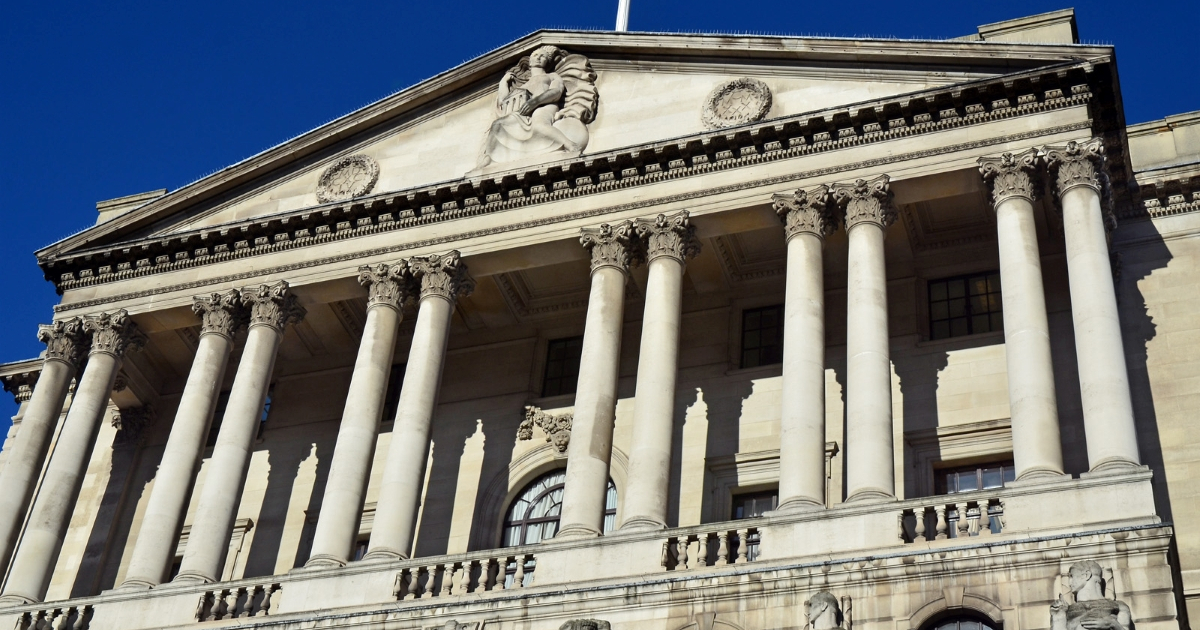
The UK housing market is showing fresh signs of losing momentum as the Bank of England prepares to keep its benchmark interest rate at 3.75% on Thursday, reinforcing expectations that mortgage costs will remain elevated.
With house price growth slowing across major indices and affordability pressures continuing to weigh on buyers, analysts increasingly see the market entering a prolonged period of stagnation rather than a renewed phase of growth.
The expected rate hold comes at a time when the housing market is struggling to regain momentum. While inflation has eased from its recent peaks, policymakers remain concerned about persistent pressures in services and wage growth, limiting the scope for rapid interest-rate cuts.
According to Reuters, Governor Andrew Bailey and fellow policymakers have signalled a cautious approach to monetary easing, suggesting that meaningful mortgage relief may still be some distance away. For homebuyers and existing homeowners alike, that means borrowing costs are likely to remain significantly higher than the ultra-low-rate environment that fuelled the post-pandemic housing boom.
UK house price growth has now clearly transitioned from expansion to near-stagnation, according to the latest readings from key national indices.
Across the three main benchmarks:
Taken together, these indicators suggest that UK house prices are no longer rising in any meaningful trend sense, but instead oscillating within a narrow range depending on regional conditions.
While not yet a broad-based decline, the data confirms that the post-pandemic price surge has fully dissipated.
The dominant structural force shaping the market is still mortgage affordability.
Compared with the ultra‑low rate environment of 2020–2021, when mortgage deals bottomed out at around 1.6 per cent, borrowing costs in the UK remain markedly higher today.
Source: International Business Times UK
