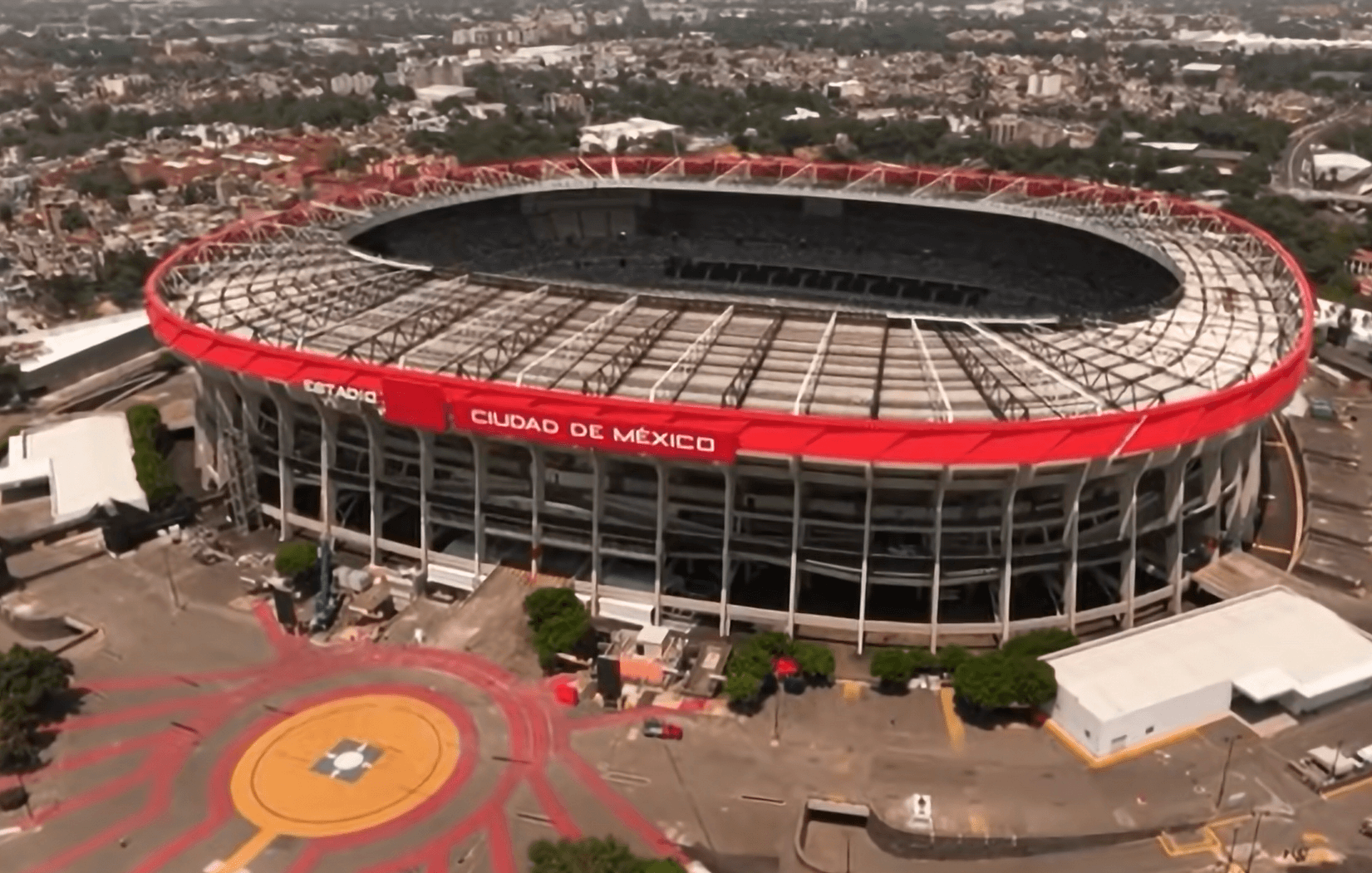
The credibility of the FIFA World Cup 2026 is under intense scrutiny as a growing controversy over empty seats widens the gap between official data and the reality millions of viewers see. While the governing body continues to report near-capacity figures, television coverage of the tournament has frequently featured vast swathes of unoccupied rows, triggering a blame game that pits FIFA's technical definitions against the lived experience of the global football community.
At the heart of the tension is FIFA's recent response to accusations of inflated crowd numbers. The organisation has attributed the visible gaps to spectators who are present within the stadium footprint but are 'choosing to stand' in concourses or amenities areas rather than sitting in their assigned seats. This explanation has been met with widespread derision, serving as a flashpoint for fans who feel their visual observations are being dismissed.
The controversy intensified during South Korea's 2-1 win over Czechia at Estadio Chivas in Guadalajara, where broadcast footage showed noticeable empty sections throughout the match.
FIFA reported an official attendance of 44,985 in a stadium with a capacity of 45,664, a difference of just 679 seats. On paper, that suggests a near sellout. On screen, it looked very different.
This disconnect quickly fueled the debate over FIFA stadium crowd attendance issues, with fans questioning how two versions of the same event could appear so different. The Guadalajara match has since become the key reference point in discussions of the broader FIFA World Cup empty-seats controversy.
FIFA makes desperate excuse for World Cup empty seats embarrassment - and blames the FANS - following shambolic scenes in South Korea matchttps://t.co/QmnEVUaT3q
FIFA responded by stating that attendance figures are based on scanned tickets and total presence inside the stadium footprint, not visual seat occupancy at any given moment.
The governing body added that some spectators may have moved around the venue, including concourses and standing areas, during the match.
It is this specific detail, the idea that fans were 'present but standing elsewhere', that has driven the most scepticism. Many viewers argued that even if movement occurred, it did not account for the extent of empty seating visible in broadcast angles.
The explanation has therefore become central to the growing perception that FIFA's messaging does not align with the lived stadium experience.
Source: International Business Times UK
