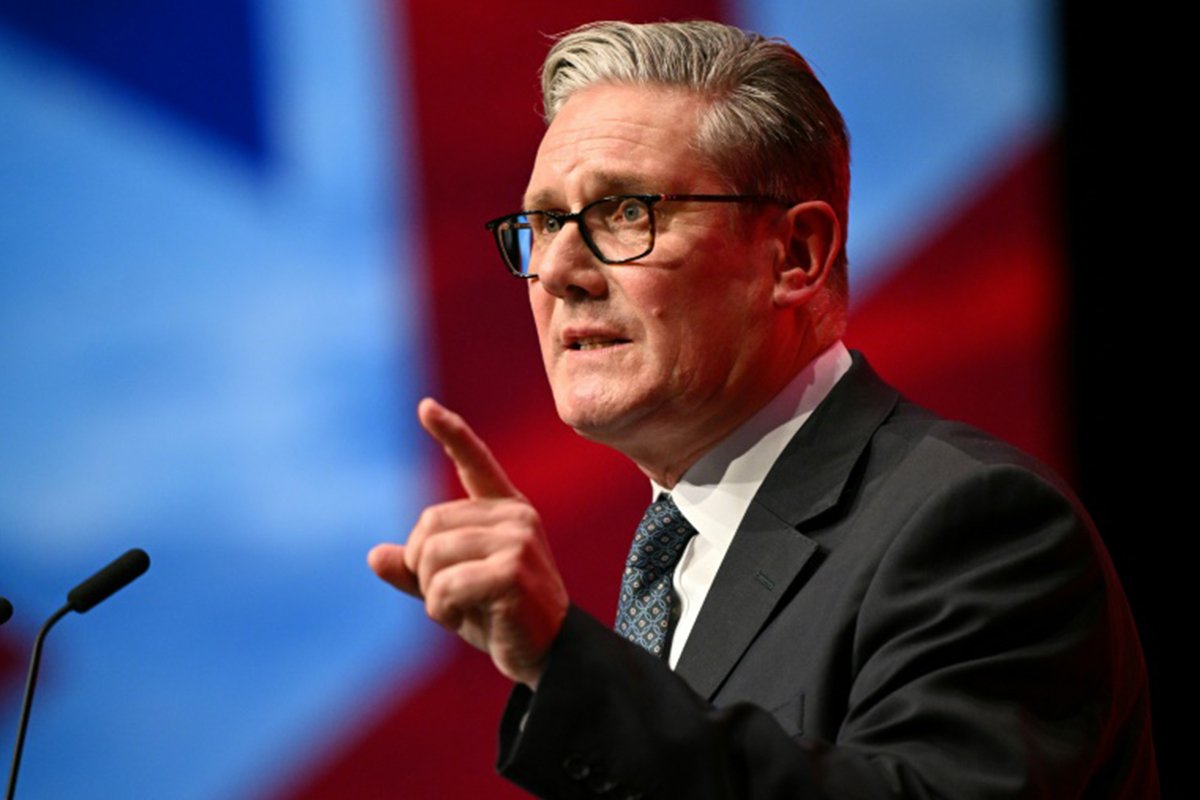
Prime Minister Sir Keir Starmerhas faced criticism after a social media post regarding the UK's latest inflation figures was flagged by X's Community Notes feature. The intervention follows claims that the Prime Minister presented a misleading narrative regarding the impact of slowing inflation on household finances.
The incident comes as the Labour government attempts to frame 2026 as the 'year of affordability.' This strategic shift in messaging was intended to signal a turning point in the cost-of-living crisis, following several years of double-digit price increases. However,fact-checkersand opposition figures argue that the administration's narrative overlooks the cumulative effect of these increases, which continue to strain domestic budgets.
The controversy was sparked by a celebratory message from Sir Keir Starmer on X, formerly Twitter, which highlighted thatinflation had fallen to 3 per cent in January 2026. The post was subsequently appended with a crowdsourced note clarifying that a drop in the rate of inflation indicates that prices are rising more slowly. This distinction is central to the argument that absolute costs for consumers remain at historic highs, even if the pace of growth has stabilised.
The choices this Labour government has made means inflation has fallen today to its lowest rate in a year.Lower food and petrol prices are helping ease the pressure on household budgets.I know there’s more to do, cutting the cost of living is my number one priority.
Data from theOffice for National Statistics (ONS)confirmed that while the headline rate of inflation reached its lowest level since March 2025, core inflation remains persistent. TheCommunity Notespecifically highlighted that essential goods, including food and non-alcoholic beverages, remain significantly more expensive than they were two years ago.
The King of Community Notes still knocking it out of the park 💪🏻pic.twitter.com/kQfZSpEW6K
Criticsargue that the Prime Minister's emphasis on 'economic stability' omitted the fact that food price inflation still stands at 3.6%. While this represents a slowdown from the previous year, it does not provide the immediate relief that many voters expect. Opponents have claimed that the government's presentation of these figures was intended to provide an appearance of success while ignoring the underlying financial pressure on families.
The backlash follows the Prime Minister's declaration of a 'war on bills' earlier this year. Under this strategy, the cabinet has introducedfreezes on rail fares and prescription chargesto help families feel the impact of a stabilising economy. However,some economistshave suggested that the government risks overpromising on the speed of recovery.
Jesus Christ…did this guy just say we have lower food prices?Can someone teach our prime minister something about money, and maths? A drop in inflation does NOT mean lower prices. It just means price rises have slowed down a bit (and are still way too high).Food is NOT…
Despite these interventions, many households are still contending with a significant rise in private sector rents and utility costs.Conservative membershave suggested the Prime Minister is attempting to take credit for global market trends while ignoring the domestic factors that keep prices high. They argue that the messaging focuses on the 'direction of travel' at the expense of acknowledging the current cost of living.
Source: International Business Times UK
