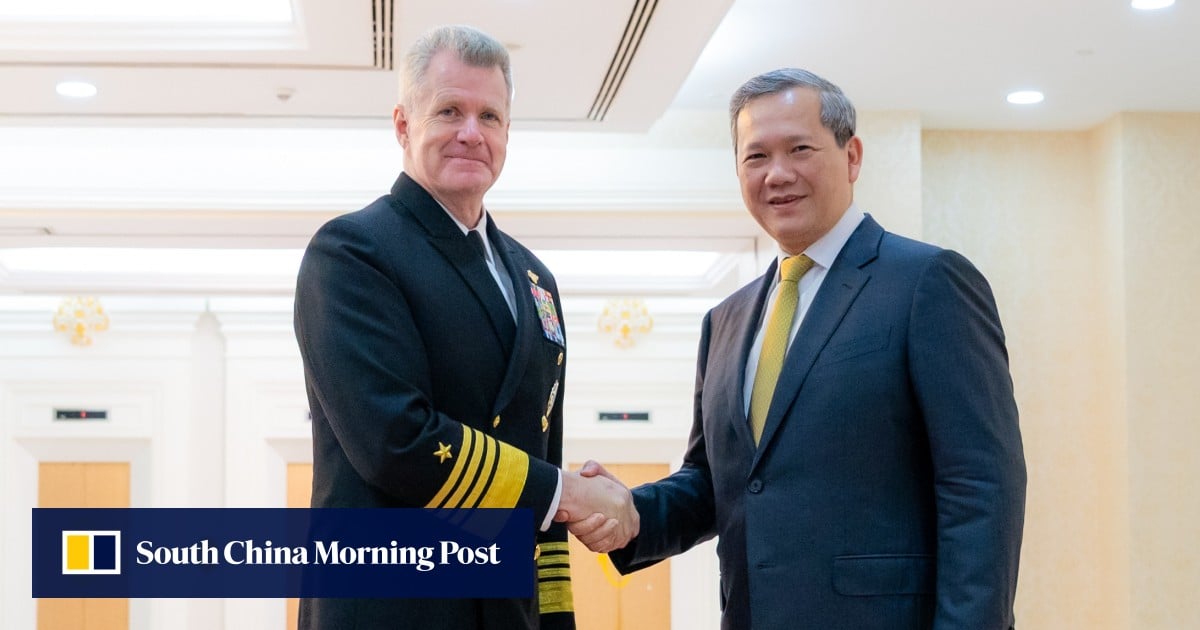
In a significant shift in Southeast Asian geopolitics, the United States has lifted its decades-long arms embargo on Cambodia, opening the door for potential military sales and deeper defense cooperation between Washington and Phnom Penh. The decision, announced by the US State Department last week, marks the end of restrictions imposed since the 1990s amid concerns over human rights abuses and political repression under former leader Hun Sen. This move comes as Cambodia navigates a delicate balance between its growing ties with China and renewed overtures from the West.
The embargo originated in the turbulent aftermath of the Khmer Rouge regime, evolving into a broader US policy tool to pressure Cambodia's government on democratic reforms and military transparency. For years, it barred American defense firms from exporting lethal weapons, forcing Phnom Penh to rely heavily on suppliers like China, Russia, and increasingly Vietnam. Hun Sen, now Senate president and father of current Prime Minister Hun Manet, frequently criticized the ban as hypocritical, given Cambodia's purchases of US-made non-lethal equipment like patrol boats and surveillance gear through exemptions.
US officials cited Cambodia's progress on human rights, including the release of political prisoners and commitments to fair elections, as key factors in the reversal. However, analysts point to strategic imperatives: countering China's expanding influence in the region, particularly after allegations of a Chinese naval presence at Cambodia's Ream Naval Base. The lifting aligns with the Biden administration's Indo-Pacific strategy, aiming to diversify Phnom Penh's defense partnerships and reduce its dependence on Beijing, which has invested billions in infrastructure and military aid.
Defense ties could now accelerate rapidly. Cambodia has expressed interest in acquiring US helicopters, transport aircraft, and maritime patrol vessels to modernize its aging fleet. Joint exercises, intelligence sharing, and officer training programs—already underway through initiatives like the Pacific Partnership—stand to expand. Yet challenges persist: Cambodia's constitution limits foreign military basing, and domestic politics remain wary of alienating China, its largest trading partner and benefactor.
For the broader region, the development signals a US willingness to engage authoritarian-leaning allies pragmatically, echoing deals with Vietnam and the Philippines. It may pressure China to recalibrate its South China Sea ambitions while testing Cambodia's ability to play great powers off each other. As Hun Manet consolidates power, this pivot could redefine Cambodia's role in ASEAN, fostering a multipolar defense landscape amid rising tensions.