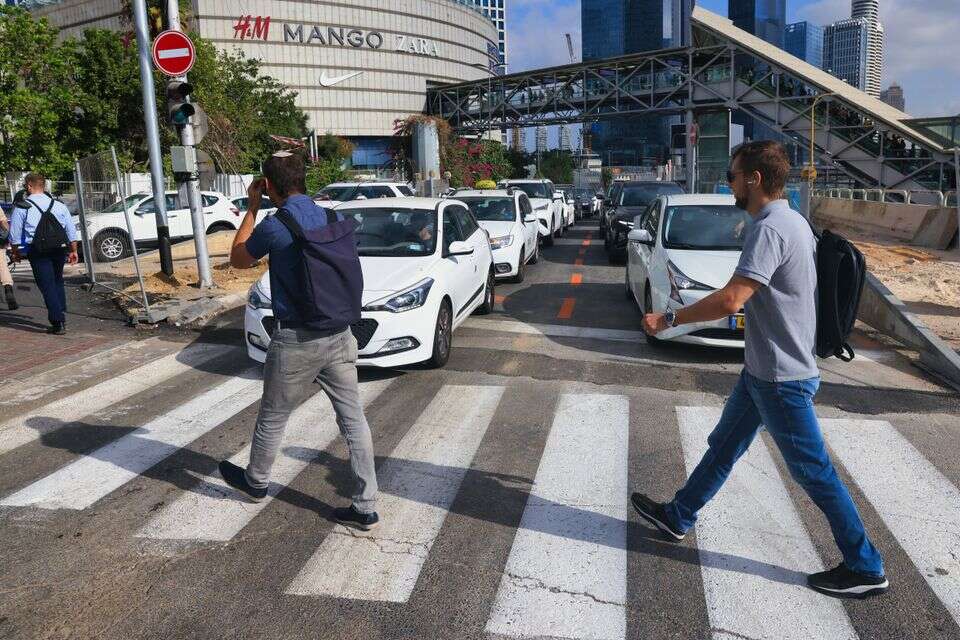
In a grim milestone for urban safety, New York City recorded 126 pedestrian fatalities in 2025, the highest toll in 18 years and cementing its status as America's deadliest city for those on foot. The New York City Department of Transportation released the data this week, revealing a stark 15% surge from 2024's already alarming 109 deaths. From bustling Times Square crosswalks to quiet Brooklyn side streets, the numbers paint a picture of sidewalks turned battlegrounds, where everyday errands end in tragedy.
The spike shatters the progress made under the city's Vision Zero initiative, launched a decade ago to eliminate traffic deaths through redesigned intersections, speed cameras, and stricter enforcement. Yet 2025 saw hit-and-runs climb to 52 incidents—nearly half of all fatalities—while speeding vehicles claimed 38 lives, according to preliminary police reports. Vulnerable groups bore the brunt: seniors over 65 accounted for 32 deaths, and incidents at night or in low-visibility conditions doubled from the prior year, highlighting failures in street lighting and driver accountability.
Experts point to a toxic brew of factors fueling the carnage. Rapid proliferation of delivery e-bikes and scooters, often operated recklessly by gig workers, contributed to 18 pedestrian strikes, city data shows. Distracted driving remains rampant, with smartphones blamed in over 40% of cases, while aging infrastructure strains under population pressures. "New York's streets are a Darwinian gauntlet," said urban planner Jane Rosenthal of the Tri-State Transportation Campaign. "We've poured billions into subways but starved pedestrian safety of real investment."
City Hall faces mounting criticism as Mayor Eric Adams defends his administration's record, touting 1,200 new speed bumps and expanded bus lanes installed last year. Critics, including pedestrian advocacy group Families for Safe Streets, call it too little, too late, demanding a moratorium on e-bike permits and automated enforcement at every high-crash corridor. The political fault lines are sharpening: progressives push for car-free zones, while business lobbies warn of economic fallout from traffic crackdowns.
As 2026 dawns, New Yorkers demand action before the body count climbs higher. With federal funding for safe streets on the horizon via the Bipartisan Infrastructure Law, the city stands at a crossroads—prioritize human lives over vehicular convenience, or risk another record-shattering year. For now, yellow "Walk" signals carry a heavier weight, a reminder that in the world's media capital, survival on foot is no longer guaranteed.