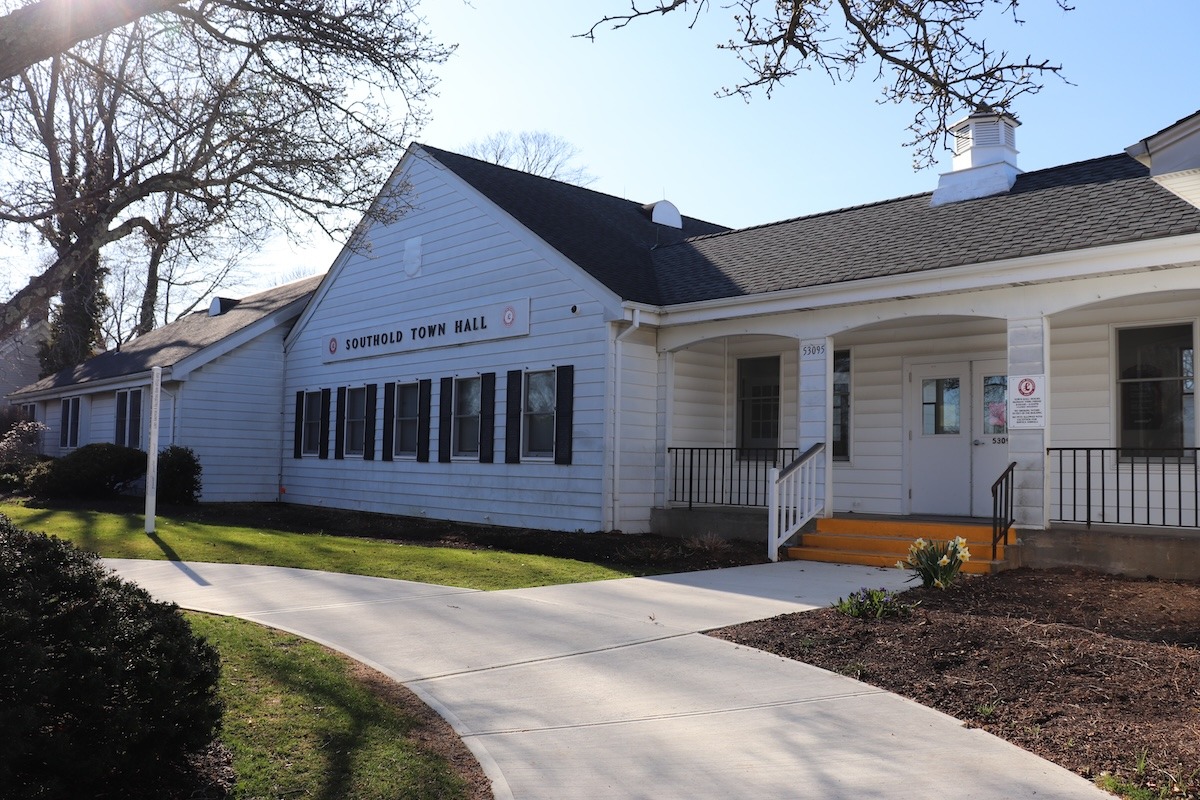
Southold Town residents are being called upon to share their insights on local hazards through an online survey launched this week, as officials work to update the community's multi-hazard mitigation plan. The initiative, spearheaded by the town's Office of Emergency Management, aims to identify vulnerabilities to events like coastal flooding, severe storms, and power outages—threats that have repeatedly tested the North Fork's resilience in recent years.
The survey, accessible via the town's website and promoted through social media and local newsletters, poses questions about residents' experiences with past disasters, perceived risks in their neighborhoods, and priorities for protective measures. It takes about 10 minutes to complete and remains open until March 15, giving ample time for input before the plan's revision deadline. Town Supervisor Al Krupski emphasized the value of community voices, stating, "Our plan is only as strong as the participation we get from those who live here every day."
This effort comes amid heightened awareness of climate-driven risks on Long Island, where Southold has faced significant challenges from events like Superstorm Sandy in 2012 and more recent nor'easters that caused widespread erosion and infrastructure damage. The current hazard mitigation plan, adopted in 2020, has secured federal grants for projects such as elevated roadways and dune restoration, but requires a five-year refresh to maintain eligibility for FEMA funding.
Emergency Management Coordinator Jill Standish highlighted specific concerns, including rising sea levels threatening low-lying areas like Orient and Greenport, and the increasing frequency of intense rainfall overwhelming drainage systems. "We're not just checking a box," Standish said. "This survey will shape investments that protect lives, property, and our unique coastal way of life for decades."
Early response has been encouraging, with over 200 submissions in the first few days, though officials are urging broader participation, particularly from vulnerable populations like seniors and renters. The data will feed into public workshops planned for April, followed by a draft plan open for further comment. By incorporating resident feedback, Southold hopes to build a more proactive defense against the unpredictable forces of nature.
