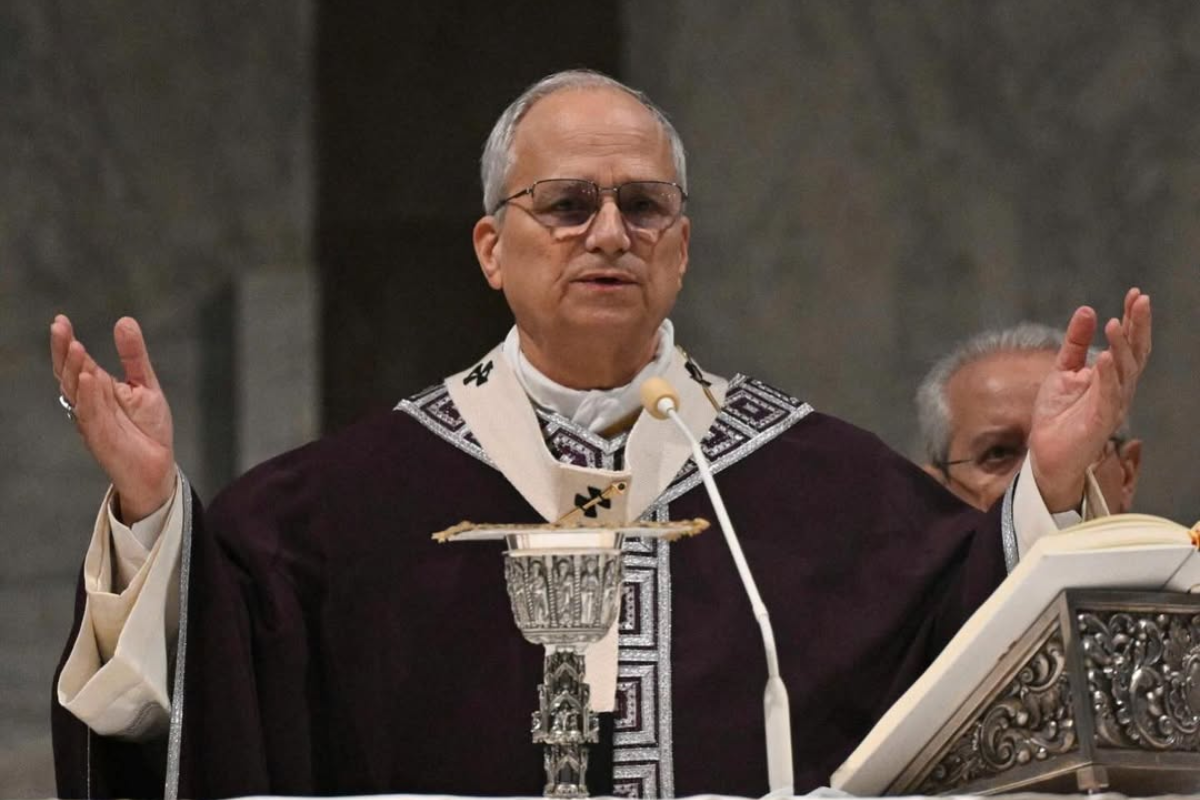
Cardinal Pietro Parolin, the Holy See's Secretary of State, confirmed on Tuesday thatPope Leo XIVwon't join President Donald Trump'sBoard of Peace. The board's first meeting takes place today in Washington. But virtually the entire Western democratic alliance is sitting it out.
'There are points that leave us somewhat perplexed,' Parolin told reporters in Rome. In Vatican diplomatic language, 'perplexed' isn't mild confusion. It's a pointed disagreement.
The cardinal didn't stop there. 'At the international level, it should above all be the UN that manages these crisis situations,' he said, according to America Magazine. That's the Vatican's way of saying Trump's board threatens to sideline the existing global order.
Look at the membership list. More than 20 countries signed on: Israel, Russia, Hungary, Belarus, Saudi Arabia, Argentina, and the United Arab Emirates.
Now look at who refused: the United Kingdom, France, Germany, Norway, Greece, and Ukraine. Italy and the European Union are sending observers — not members.
The pattern is hard to miss. Trump's allies joined. America's traditional partners didn't.
Ukrainian President Volodymyr Zelensky put it bluntly. According to The Hill, he questioned how a board claiming to promote peace could include Russia and Belarus, which are nations he called 'violators of peace and international law.'
Some diplomats have gone further in private. According to Axios, several allies are concerned the US is trying to build a rival to the UN Security Council — one where Trump holds permanent control.
Here's where it gets transactional. The board's charter requires countries to pay $1 billion (£742 million) for permanent membership. Those who don't pay serve three-year terms. And Trump decides whether to renew them.
The charter also grants Trump sweeping authority. He can appoint and dismiss members, set agendas, and issue resolutions. Bloomberg described this as Trump holding the board's 'ultimate decision-making power.'
Source: International Business Times UK
