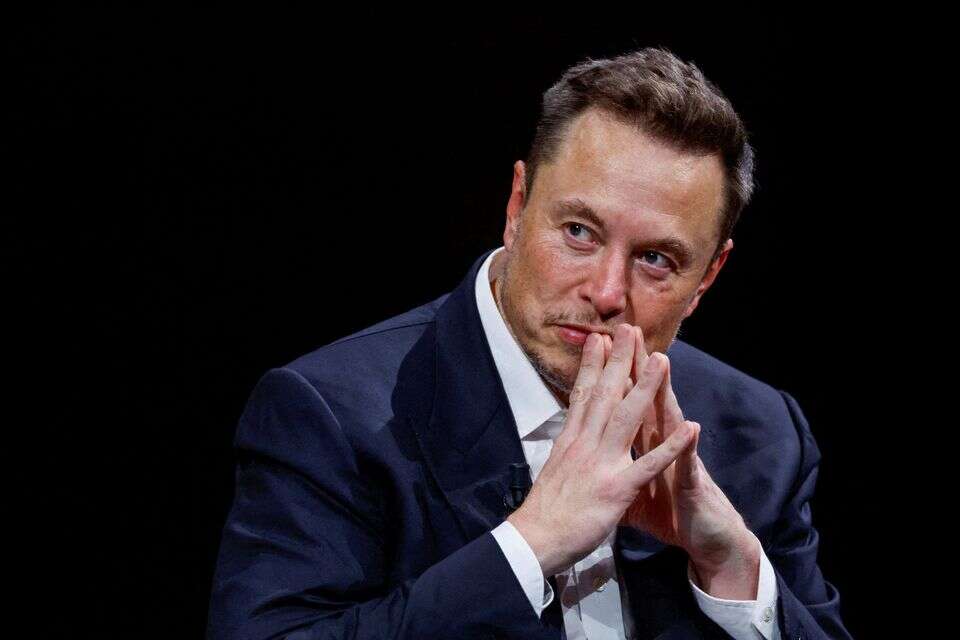
In the dim glow of his home office late one evening, Alex Rivera, a 42-year-old software engineer from Seattle, teetered on the edge of financial ruin. His cryptocurrency wallet was open, cursor blinking over a transaction sending $25,000 in Bitcoin to an account purporting to belong to Elon Musk, the world's richest man. The direct message from "@ElonMuskOfficialGiveaway" had promised a tenfold return on his "seed investment," complete with doctored screenshots of past payouts and Musk's familiar emojis. But a single tweet from the real @elonmusk flashed across Rivera's feed, halting his impulse: "Scammers are everywhere pretending to be me. I NEVER ask for money via DM. Report them immediately."
Rivera's ordeal began innocently enough, like thousands of others ensnared in cryptocurrency scams daily. The fake account, boasting over 100,000 followers and a verified blue checkmark purchased under lax pre-Musk Twitter rules, had slid into his DMs after he liked a Tesla-related post. "Elon here—saw your interest in Dogecoin. Send 0.5 BTC as activation, get 5 BTC back tomorrow," the message read, laced with urgency and greed-baiting links to a phishing wallet. Rivera, riding a wave of recent crypto gains, had already transferred a small test amount of $500 without issue, convincing him this was legitimate. Global authorities estimate such impersonation schemes defraud victims of over $2 billion annually, with Musk's name invoked in roughly one in five cases.
Musk's warning tweet, posted just two days prior and amplified to his 200 million followers, became Rivera's lifeline. Pinned at the top of the billionaire's profile since acquiring Twitter—now X—in 2022, it explicitly detailed red flags: unsolicited DMs, requests for upfront funds, and giveaway lures. Rivera cross-checked the account handles, spotted the subtle discrepancies in follower growth and tweet history, and pulled back. "That tweet was like a digital guardian angel," Rivera recounted in an exclusive interview. "Without it, I'd be out 25 grand, plus whatever they milked next."
The incident underscores Musk's evolving role as an unwitting scam deterrent since transforming X into a freer speech haven. Under previous management, algorithmic suppression and shadowbans allegedly stifled user warnings about fraud, allowing scammers to thrive amid heavy content moderation focused on politics over predation. Post-acquisition, X's transparency reports show a 40% drop in reported impersonation scams, bolstered by community notes and Musk's direct interventions. Critics in legacy media decry this as chaotic vigilantism, but victims like Rivera hail it as essential crowd-sourced protection in a borderless digital Wild West.
Quantifying the tweet's value for Rivera yields a stark figure: $25,000 directly preserved, with potential cascading losses—legal fees, emotional toll, and depleted savings—pushing the total closer to $50,000. Broader analysis from blockchain forensics firm Chainalysis reveals Musk-impersonated scams peaked at $300 million in 2024 alone, suggesting his tweets may have indirectly shielded millions more by educating the masses. In the culture wars raging over tech governance, this episode pits decentralized truth-telling against centralized control, with Musk's platform proving its worth not just in discourse, but in dollars and cents.
