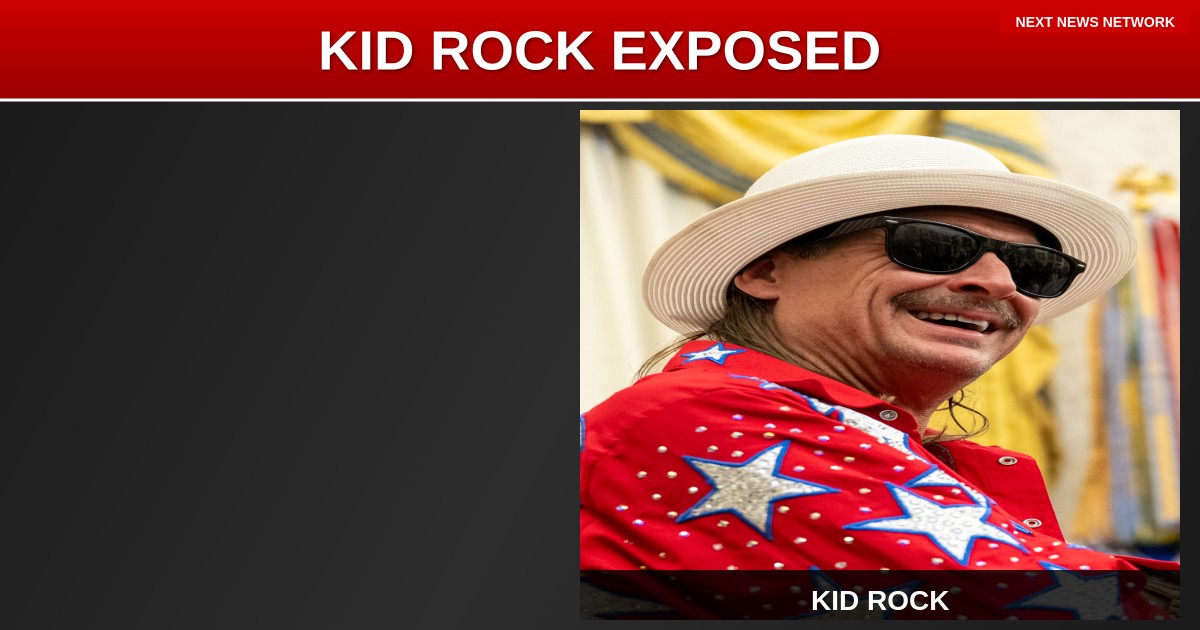
Kid Rock has confirmed that his high-energy Super Bowl performance was pre-recorded, putting to rest swirling rumors of lip-syncing after eagle-eyed fans dissected the broadcast frame by frame. The rocker, known for his unfiltered patriotism and guitar-shredding antics, took to social media Sunday night following the Big Game in New Orleans, admitting the set—featuring hits like "Bawitdaba" and a custom NFL anthem—was taped days earlier to ensure flawless execution amid the event's logistical chaos.
The controversy ignited moments after the performance aired during the Super Bowl LX pre-game festivities on February 8, 2026. Social media erupted with clips highlighting what appeared to be mismatched lip movements and overly pristine audio quality, prompting accusations from skeptics that Kid Rock had faked his live delivery. Hashtags like #KidRockLipSync and #SuperBowlFake trended worldwide, drawing comparisons to past halftime scandals and fueling debates over authenticity in modern entertainment spectacles.
In a candid Instagram video, Kid Rock addressed the backlash head-on, explaining that pre-recording is standard for major broadcasts due to the risks of technical glitches, weather interference, and the need for multiple camera angles. "We busted our asses live in the studio with the full band, pyros and all—just like a real show," he said, emphasizing that the track was captured in one take without Auto-Tune. He likened it to artists like Beyoncé facing similar scrutiny, pointing out that the Super Bowl's billion-dollar production demands perfection over raw risk.
Industry insiders backed Kid Rock's account, noting that pre-recording has been a halftime staple since the 1990s, used by legends from Aerosmith to The Weeknd to mitigate variables like crowd noise and stadium acoustics. NFL producers reportedly greenlit the approach weeks in advance, prioritizing viewer experience over purist ideals. Still, the revelation has reignited broader conversations about live music's erosion in the streaming era, where polished perfection often trumps unscripted grit.
Fan reactions split along predictable lines: die-hard supporters praised Kid Rock's transparency and shrugged off the method as pragmatic showbiz, while purists decried it as emblematic of a "fake news" culture infiltrating rock 'n' roll. Prominent voices, including fellow musician Ted Nugent, rallied in defense, calling the outrage "woke nitpicking" from those who wouldn't know a real riff from a ringtone. As the dust settles, Kid Rock's stock remains high, with streams of his catalog surging 300% post-performance.
This episode underscores a cultural flashpoint in the culture wars over authenticity—where blue-collar entertainers like Kid Rock champion working-class ethos against elite expectations of flawlessness. Whether it dents his rebel image or humanizes the grind behind the spectacle, one thing's clear: in the arena of American entertainment, the truth rocks harder than any lip-sync ever could.