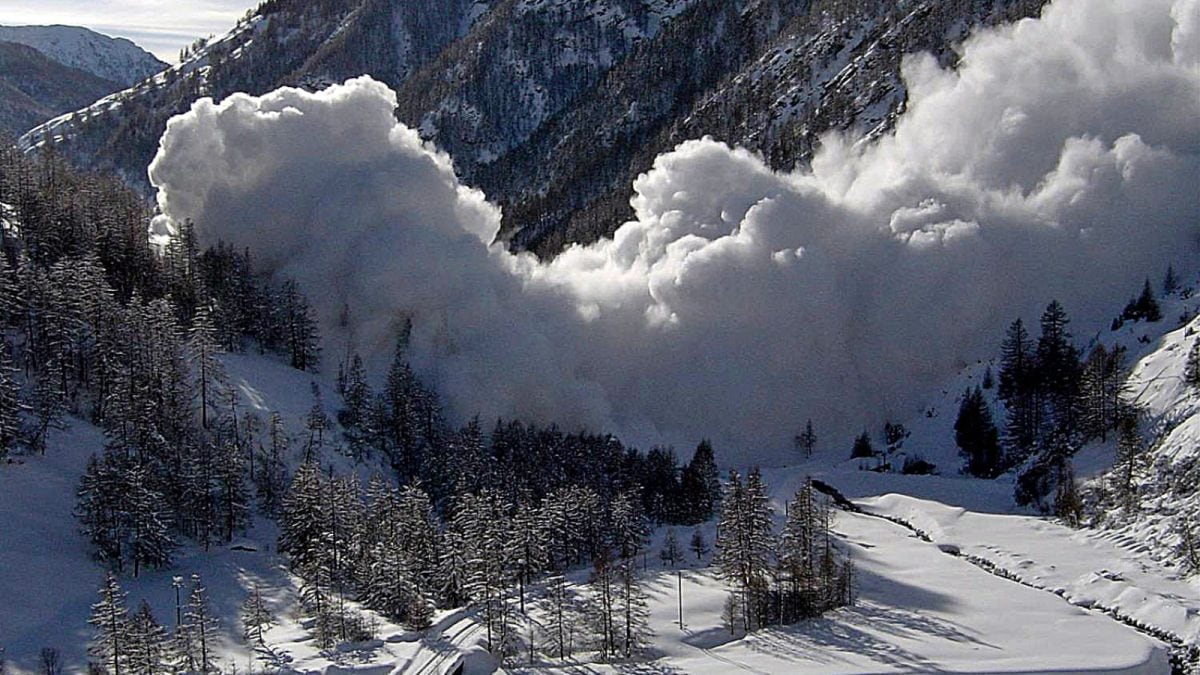
At least eight backcountry skiers have been found dead and one remains missing after an avalanche took place near Lake Tahoe in California, officials said Wednesday. The avalanche is being marked as the deadliest in the history of the United States since 1981, when 11 climbers were killed on Mount Rainier, Washington.
Nevada County Sheriff Shannan Moon said during a news conference that authorities have told the families the mission has moved from rescue to recovery.
Search and rescue crews faced treacherous conditions in their search for the missing skiers since the avalanche struck Tuesday morning. The teams were dispatched to the Castle Peak area of the Sierra Nevada after it was reported that the avalanche had buried 15 skiers.
According to reports, six of them have been found alive.
The group was on a three-day trek in Northern California’s Sierra Nevada as a monster winter storm pummelled the West Coast.
Heavy snow and the threat of additional avalanches slowed the rescue effort in the mountains near Castle Peak, northwest of Lake Tahoe. The area near Donner Summit is one of the snowiest places in the Western Hemisphere and until just a few years ago was closed to the public. It sees an average of nearly 35 feet of snow a year, according to the Truckee Donner Land Trust, which owns a cluster of huts where the group was staying near Frog Lake.
The Sierra Avalanche Center warned Wednesday that the risk of avalanche remains high and advised against travel in the area. Multiple feet of snowfall and gale force winds in recent days left the snowpack unstable and unpredictable, and more snow was predicted to fall, the centre said.
Nevada County Sheriff Capt. Russell Greene said authorities were notified about the avalanche by Blackbird Mountain Guides, which was leading the expedition, and the skiers’ emergency beacons. The sheriff’s office said Tuesday night that 15 backcountry skiers had been on the trip, not 16 as initially believed.
The skiers were on the last day of a backcountry skiing trip and had spent two nights in the huts, said Steve Reynaud, an avalanche forecaster with the Sierra Avalanche Center. He said the area requires navigating rugged mountainous terrain. All food and supplies need to be carried to the huts.
Reaching the huts in winter takes several hours and requires backcountry skills, avalanche training and safety equipment, the land trust says on its website.
Source: World News in news18.com, World Latest News, World News
