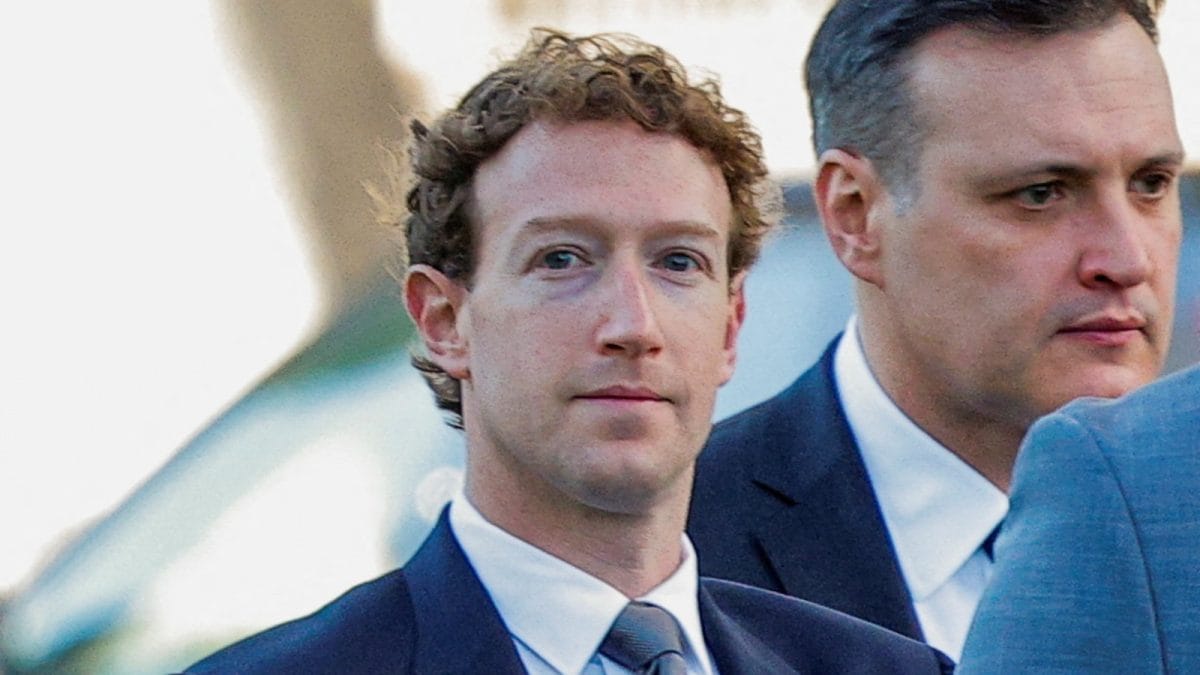
Meta CEO Mark Zuckerberg defended his company’s efforts to protect children on social media, insisting that Meta is working to identify and remove underage users.
“I always wish that we could have gotten there sooner," Zuckerberg told jurors when pressed about Meta’s ability to detect children under 13 on its platforms. Asked why age verification hasn’t worked perfectly, he replied, “I don’t see why this is so complicated."
“You expect a nine-year-old to read all of the fine print? That’s your basis for swearing under oath that children under 13 are not allowed?" they asked.
Read more:Who Is Les Wexner? Billionaire Retail Tycoon Says Jeffrey Epstein ‘Duped’ Him
Zuckerberg stated, “I think a reasonable company should try to help the people that use its services," as he sought to defend Meta’s approach to safety features.
Zuckerberg’s testimony comes in a high-profile trial in Los Angeles that could reshape how social media platforms are held accountable for user harms. This is the first time Zuckerberg has addressed concerns about child safety before a jury in litigation that claims Instagram and other platforms are designed to be addictive and harmful, especially for young people’s mental health.
The trial focuses on a 20-year-old woman identified as KGM, who says compulsive use of Instagram and YouTube worsened her depression and suicidal thoughts. KGM’s case is one of about 20 bellwether cases intended to test legal arguments that platform design- not user content- should be grounds for liability.
Contention Over Age Verification And Mental Health
Zuckerberg acknowledged that some users lie about their age when signing up for Instagram and said the company removes those it identifies as underage. But plaintiffs’ lawyers argued that Meta’s reliance on self-reported ages leaves children vulnerable.
Earlier testimony by Adam Mosseri, Instagram’s head, described heavy use by young users not as “clinical addiction" but as “problematic use," comparing it to watching TV longer than one feels good about. Psychologists do not recognise social media addiction as a formal diagnosis, yet researchers and lawmakers have raised concerns about the platforms’ effects on youth well-being.
Source: World News in news18.com, World Latest News, World News
