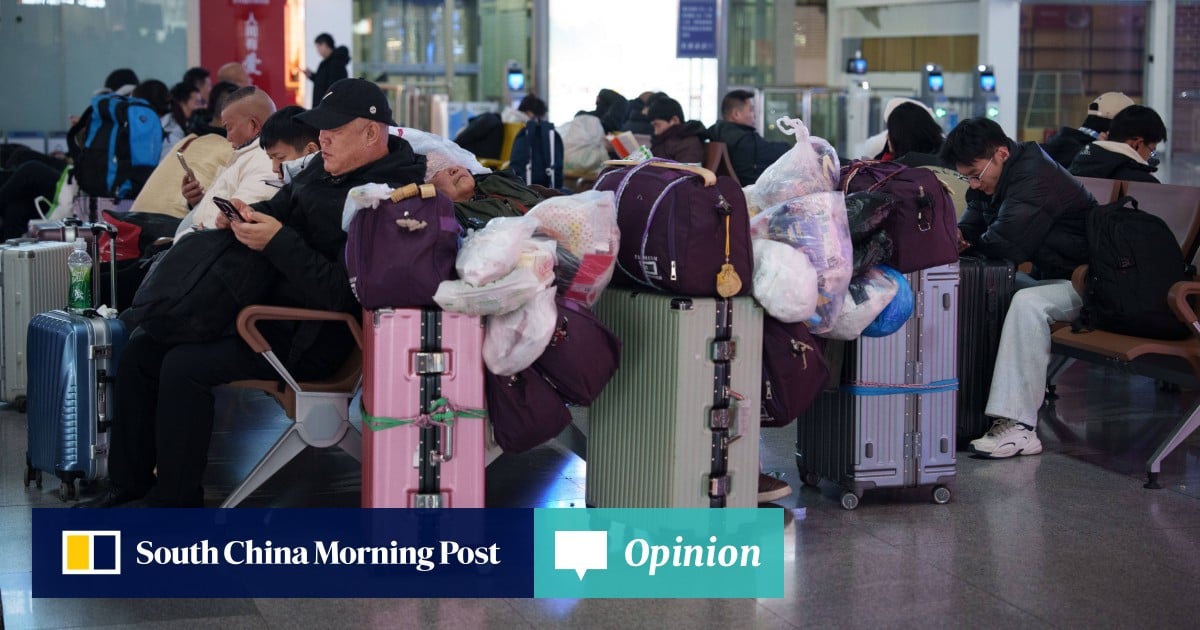
In the neon glow of China's megacities, millions grapple with an unseen epidemic: profound loneliness, a byproduct of the nation's breakneck modernization that has uprooted traditional family structures and left many adrift in a sea of strangers. As skyscrapers pierce the smoggy skies of Shanghai and Beijing, reports reveal a surge in isolation, with urban dwellers increasingly turning to digital companions and pet cafes for solace amid the ruins of communal living.
Rapid urbanization has funneled over 60% of China's population into cities, severing ties to rural villages where multigenerational households once provided unbreakable bonds. The one-child policy, enforced for decades until its recent unwind, has compounded the crisis, creating a demographic bulge of only children now shouldering the care of aging parents alone. Surveys from the Chinese Academy of Social Sciences indicate that nearly 40% of city residents feel chronically lonely, a figure that spikes to 50% among those over 60, fueling higher rates of depression and even suicide.
Young professionals, dubbed the "lying flat" generation, embody the paradox: affluent yet alienated, they prioritize careers over marriage and children in a hyper-competitive job market. Platforms like Douyin and WeChat overflow with viral pleas for connection—virtual "loneliness markets" where strangers share meals or confessions—while physical manifestations include a boom in "cuddle cafes" and robot companions marketed as emotional substitutes. In Shenzhen, one entrepreneur told reporters his AI girlfriend app has 10 million users, many citing exhaustion from 996 work cultures that devour personal time.
The government, awakening to the social fallout, has launched initiatives like "community time banks" for elderly volunteering and national "singles days" to combat isolation. Yet critics argue these band-aids ignore root causes: a cultural shift from Confucian family piety to individualistic pursuits, accelerated by state-driven economic miracles. Mental health services remain woefully underfunded, with just 2.4 psychiatrists per 100,000 people compared to the global average of 10.
This loneliness crisis mirrors global trends in modernizing societies—from Japan's hikikomori to America's opioid despair—but China's scale is unparalleled, threatening productivity and social stability. As President Xi Jinping pushes "common prosperity," experts warn that without restoring human-scale communities, the human cost of progress could undermine the very engine of growth that propelled China to superpower status.
