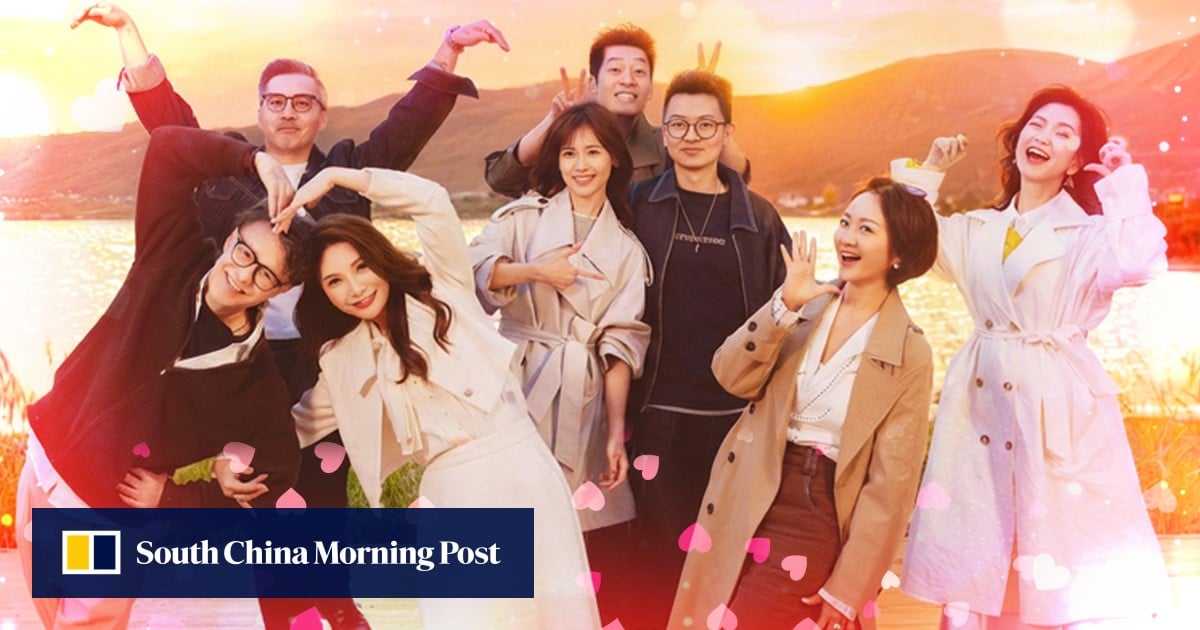
In the neon glow of China's streaming platforms, a surprising romance is blooming: young viewers in their 20s are captivated by dating shows starring contestants well into their 30s and 40s. Programs like "See You Again" and "Half Mature, Half Naughty" have shattered ratings expectations, drawing millions of Gen Z and millennial fans who binge-watch tales of second chances at love. What was once dismissed as programming for the middle-aged is now a cultural phenomenon, reflecting deeper shifts in a generation grappling with delayed milestones and redefined ideals of partnership.
These shows diverge sharply from the flashy, youth-centric formats of the past, such as the high-drama "If You Are the One," which spotlighted twentysomethings chasing instant sparks. Instead, older contestants bring weathered résumés—divorces, career pivots, even grandchildren—to the table, offering raw authenticity that resonates amid China's economic slowdown. Viewership data from iQiyi and Youku reveals a 40% spike in under-30 demographics for these mature matchmakers over the last year, with social media abuzz under hashtags like #AuntieLove and #UncleCharm, where fans dissect emotional confessions and pragmatic courtship rituals.
Experts point to a cocktail of societal pressures fueling this trend. China's youth unemployment hovers near 20%, housing prices remain astronomical, and marriage rates have plummeted to record lows, leaving many young people postponing romance amid financial insecurity. "These shows provide escapism into stability," says Dr. Li Wei, a Beijing-based sociologist specializing in media and relationships. "Young viewers see in these older contestants the grounded maturity they aspire to, untainted by the superficial swipes of apps like Tantan." Unlike fleeting hookups glorified in short-form TikTok videos, these programs emphasize compatibility forged through life's trials.
The appeal extends beyond vicarious living; it's a mirror to evolving norms. Traditional expectations once pushed women into early marriage, but with more pursuing education and careers, the average age of first marriage has climbed to 29 for men and 27 for women. Older contestants normalize age-gap dynamics and late-blooming love, challenging the "leftover women" stigma for unmarried professionals over 30. Producers like Wang Xiaoming of Mango TV note that casting calls now overflow with silver foxes in their 40s, as algorithms detect surging youth engagement.
Yet this surge carries broader implications for China's demographic crunch. With birth rates at historic lows and a shrinking workforce, the government's pronatalist campaigns clash with a youth culture romanticizing mature singledom over rushed unions. As one 25-year-old viewer posted on Weibo, "I'd rather wait for a real connection like on the show than settle now." Dating shows, once frivolous entertainment, are subtly reshaping conversations around love, age, and ambition in the world's most populous nation.
