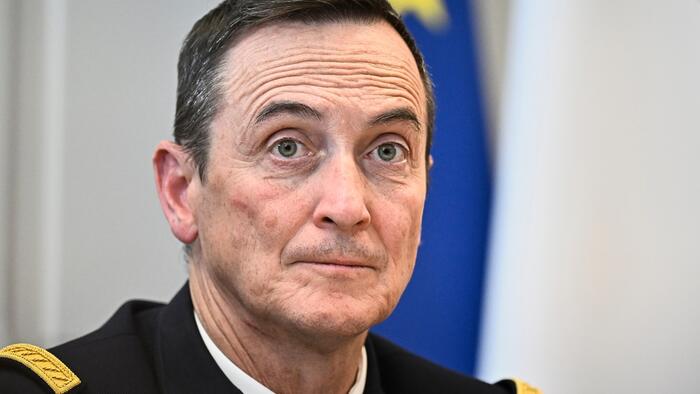
In a sobering address that has sent shockwaves through European capitals, French Armed Forces Minister Sébastien Lecornu declared that the continent must prepare for potential war with Russia by 2030, identifying Moscow as the primary threat to regional security. Speaking at a defense conference in Paris, Lecornu issued a blunt warning: "Today, we are preparing for war," urging immediate and robust military buildup across Europe to deter aggression. His remarks underscore a growing consensus among Western leaders that Russia's revanchist ambitions pose an existential challenge, far beyond the ongoing conflict in Ukraine.
Lecornu's assessment draws on intelligence reports highlighting Russia's rapid military reconstitution following heavy losses in Ukraine. Despite sanctions and battlefield setbacks, Moscow has ramped up production of tanks, artillery, and missiles, with projections indicating it could field a force capable of overwhelming NATO's eastern flank within five years. "We have until 2030 at best," Lecornu emphasized, calling for Europe to achieve strategic autonomy by doubling defense spending and streamlining procurement. He pointed to France's own efforts, including the extension of military service and investments in nuclear deterrence, as a model for allies.
The French minister's speech arrives amid heightened tensions, as Russia's war in Ukraine enters its fourth year with no end in sight. European nations have poured billions into Kyiv's defense, but divisions persist—Germany hesitates on long-range weapons deliveries, while Poland and the Baltics clamor for more. Lecornu's remarks echo recent statements from NATO Secretary-General Jens Stoltenberg, who warned of Russia's potential to attack a NATO member by decade's end, and align with U.S. intelligence assessments leaked earlier this year predicting a similar timeline.
Reactions poured in swiftly, with Polish Defense Minister Władysław Kosiniak-Kamysz praising the candor but decrying Europe's "strategic slumber." Critics, including voices from the French left, accused Lecornu of fearmongering to justify budget hikes, while Russian officials dismissed the claims as "Russophobic hysteria." In Brussels, EU defense commissioners signaled support for a €100 billion common arsenal fund, but funding disputes loom large.
Analysts view Lecornu's timeline as a wake-up call for a continent long reliant on U.S. security guarantees, especially with uncertainties surrounding transatlantic relations post-U.S. elections. Europe's fragmented defense industry and reluctance to confront conscription debates could undermine readiness, experts warn. Yet, the minister's push reflects a paradigm shift: from peacekeeping to high-intensity warfare preparation, with implications for energy security, cyber defenses, and alliances stretching from the Arctic to the Black Sea.
As Europe grapples with this new reality, Lecornu's words serve as both rallying cry and grim prognosis. With 2030 looming, the question remains whether fragmented democracies can forge the unity needed to stare down the bear—or if complacency will invite the very conflict now being prepared for.