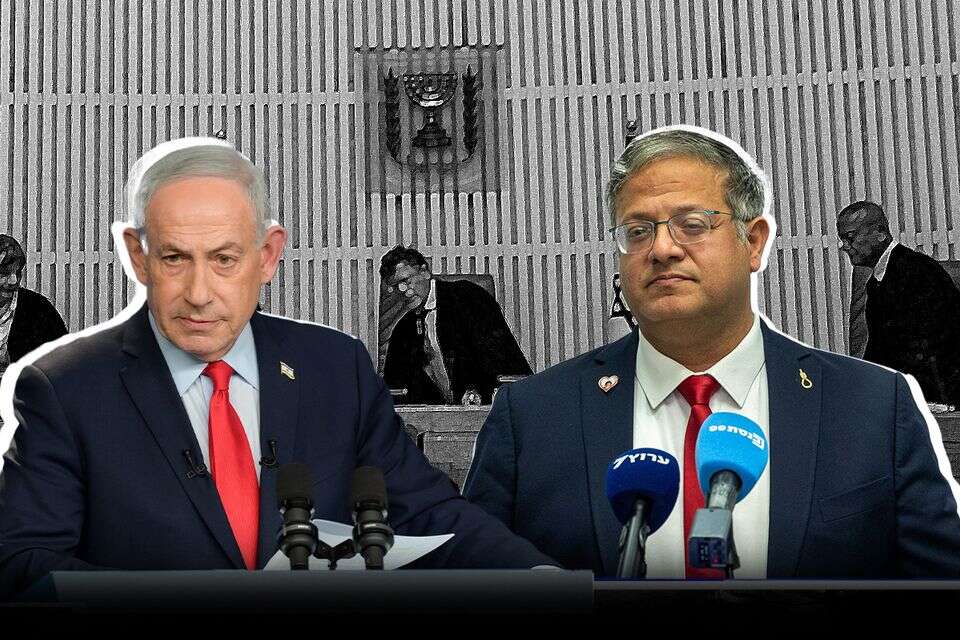
In a bold preemptive strike against Israel's judiciary, National Security Minister Itamar Ben-Gvir has tabled a controversial bill that would strip the High Court of its power to dismiss government ministers, amid mounting legal challenges threatening his own position. The legislation, fast-tracked through the Knesset, mandates that only a supermajority vote in parliament could remove a minister from office, effectively neutralizing judicial oversight in such matters. Ben-Gvir, a firebrand leader of the Otzma Yehudit party, framed the move as essential to restoring democratic balance after what he calls years of "judicial dictatorship."
The timing of the bill coincides with multiple High Court petitions seeking Ben-Gvir's impeachment over alleged incitement to violence and breaches of trust. Critics point to his recent inflammatory rhetoric during West Bank clashes and his push for sweeping police reforms as flashpoints. One prominent petition, filed by civil rights groups, accuses him of undermining public safety by politicizing law enforcement. Legal experts warn that without swift action, the court—known for its activist streak—could rule against him within months, marking the first such dismissal of a sitting minister.
Ben-Gvir's allies in Prime Minister Benjamin Netanyahu's coalition have rallied behind the bill, viewing it as a critical front in the ongoing battle against judicial overreach. The proposal builds on last year's failed judicial overhaul attempts, which sparked mass protests and nearly toppled the government. Supporters argue that unelected judges have no business meddling in executive appointments, echoing populist sentiments across Israel's right-wing base. Netanyahu himself has signaled tacit approval, tweeting that "the people's elected representatives must have the final say."
Opposition leaders, including Yair Lapid and Benny Gantz, decried the bill as a naked power grab designed to shield a "dangerous extremist." Demonstrations erupted outside the Knesset as thousands waved signs proclaiming "Save Israeli Democracy." Legal scholars like Hebrew University professor Yuval Yoaz highlighted the risks: "This isn't reform; it's revenge. It dismantles checks and balances at a time when corruption scandals already erode trust in leadership." The High Court has yet to respond, but past rulings suggest it could strike down the law on grounds of unconstitutionality.
Beyond Ben-Gvir's personal stakes, the legislation underscores Israel's deepening cultural and political divide. On one side, the right accuses the judiciary of left-leaning bias stifling national security priorities; on the other, centrists and leftists fear an authoritarian slide under coalition hardliners. With coalition arithmetic tight—requiring 61 votes for passage—the bill's fate hinges on ultra-Orthodox parties, who may demand concessions on military draft exemptions. As debates intensify, the measure could redefine the contours of power in the Jewish state, pitting parliamentary sovereignty against judicial independence in a high-stakes showdown.
