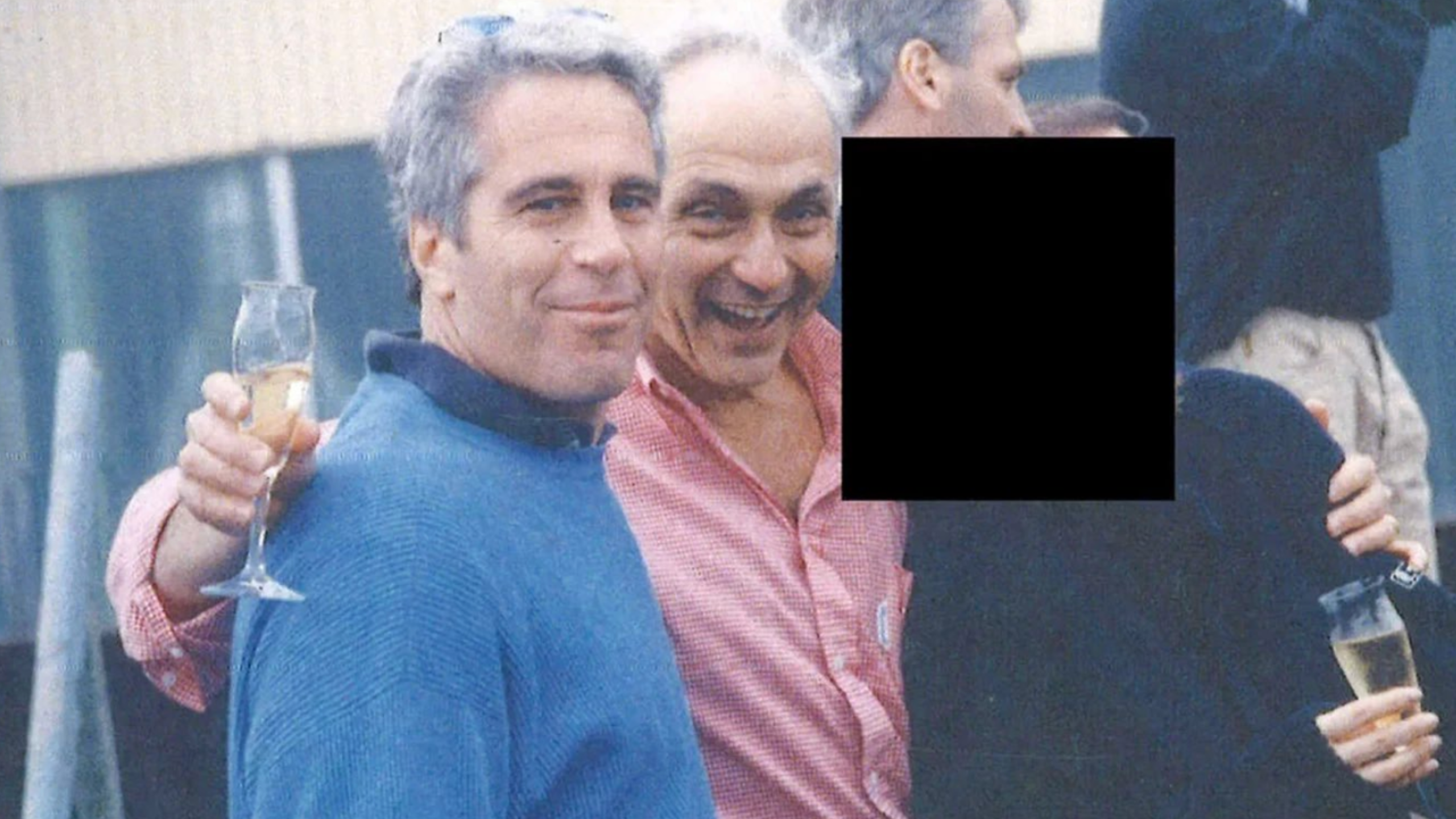
Leslie Wexner, the Ohio billionaire once at the helm of the empire behind Victoria's Secret Parent Company and Bath & Body Works, confirmed that he visited Jeffrey Epstein's private island yet insists he is neither culpable nor complicit in the financier's vast sex‑trafficking network.
In a deposition to the United States House Oversight and Government Reform Committee on 18 February 2026, Wexner sought to disassociate himself from Epstein's crimes, describing Epstein as a 'world‑class con man' and asserting that he had not known of the full extent of Epstein's criminal activities at the time of their association. His testimony comes amid new disclosures from the so‑called 'Epstein files', government records released under theEpstein Files Transparency Actthat highlight extensive communications and references linking his name to law enforcement enquiries dating back to 2019.
Wexner's appearance before lawmakers, conducted at his residence in New Albany, Ohio, represents one of the most consequential public examinations of his long‑standing connection to Epstein since the latter's death in a New York jail cell in 2019. Despite repeated denials of wrongdoing, the deposition and related email revelations have ignited fresh scrutiny from both lawmakers and survivors of Epstein's abuse, raising questions about how a titan of global retail came to trust and empower a man who would become synonymous with exploitation and trafficking.
Leslie Wexner first met Jeffrey Epstein in the mid‑1980s, when the then‑emerging financier was introduced to him through mutual business connections. Epstein, who had cultivated a reputation among some Wall Street circles as a discreet financial adviser, was eventually entrusted with significant aspects of Wexner's personal wealth, including power of attorney over his finances. This extraordinary level of control effectively placed Epstein in charge of Wexner's investment decisions and acquisitions throughout much of the 1990s and early 2000s.
Inhis statement to Congress, Wexner reiterated that he severed formal ties with Epstein by 2007 once he became aware of the allegations against him and learned that Epstein had allegedly misappropriated substantial sums from his accounts. He insisted that any communications after that point were disconnected from the abusive conduct that would later define Epstein's legacy.
However, new documents released under the Epstein Files Transparency Act reveal that law enforcement agencies identified Wexner as one of up to ten 'co‑conspirators' in an internal FBI email exchange in July 2019, shortly before Epstein's prosecution on federal sex‑trafficking charges. This identification, though redacted in earlier releases, became public after congressional pressure forced the unmasking of Wexner's name from the files. Critics argue this suggests that federal investigators once considered Wexner's role in Epstein's network sufficiently significant to warrant formal investigative interest.
JUST IN: Billionaire Les Wexner has submitted a written statement to the House Oversight Committee ahead of his testimony on Jeffrey Epstein.In the letter, Wexner says he was “naive” and duped by Epstein, calls him a “con man,” and insists he cut ties nearly two decades ago and…pic.twitter.com/hoq58j0KU8
Perhaps the most striking element of Wexner's deposition was his admission that he and his family visited Epstein's private Caribbean island, often described in survivor accounts as a central site of abuse. Wexner characterised the visit as brief and innocuous, maintaining that he did not observe any criminal behaviour or suspect that Epstein was exploiting the island for trafficking purposes when he visited.
Prominent survivor testimony, such as that of Virginia Giuffre infilingsfrom the United States District Court for the Southern District of New York, has placed numerous high‑profile individuals on Epstein's island, alleging routine patterns of sexual exploitation of minors. While Giuffre's sworn testimony does not assert that Wexner was present during criminal acts, she identified him as someone with potentially relevant information about Epstein's operations, an assertion that has fuelled demands for further transparency from Congress.
Lawmakers from both sides of the aisle have expressed concern that the full scope of Wexner's interactions with Epstein has yet to be understood. Some have pointed to the extensive financial transactions and overlapping social circles as grounds for deeper inquiry, while others question why someone identified in law enforcement communications as a possible 'co‑conspirator' was never charged or indicted.
Source: International Business Times UK
