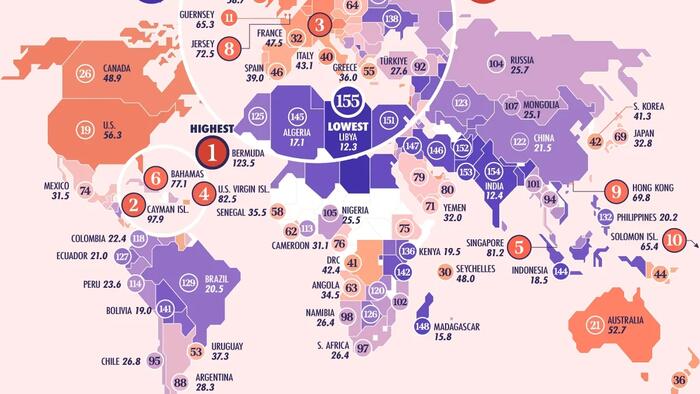
As inflation ebbs and geopolitical tensions reshape economies, a new global cost-of-living index reveals stark divides in 2026, with Swiss cities dominating the priciest spots while war-torn and emerging markets anchor the bottom. Zurich leads the pack for the third consecutive year, where a one-bedroom apartment in the city center devours over $3,500 monthly, and a basic lunch for two exceeds $120. Hot on its heels, Paris and Singapore follow, their high costs fueled by luxury demand, energy shortages, and stringent urban policies that have priced out middle-class residents.
At the opposite end, cities like Damascus, Syria, and Tehran, Iran, offer rock-bottom living expenses, with monthly rents under $300 and groceries for a family of four totaling less than $200. Karachi, Pakistan, and Algiers, Algeria, round out the cheapest locales, where daily necessities remain affordable despite rampant inflation in developed nations. These disparities, tracked by Mercer's annual survey encompassing 226 cities across 130 countries, underscore how sanctions, conflicts, and subsidy regimes keep costs suppressed in the Global South even as Western consumers grapple with sticker shock.
Europe's dominance in the upper echelons reflects persistent energy woes from the Russia-Ukraine war's aftermath and green transition mandates, pushing utility bills skyward—Berlin's average household energy spend now tops $450 monthly. Meanwhile, U.S. hubs like New York and San Francisco cling to top-20 status, battered by remote-work reversals and housing shortages exacerbated by zoning laws and migration surges. Asia's mixed bag sees Tokyo stabilizing amid yen weakness, while Hong Kong's slide highlights China's economic slowdown rippling through property markets.
Analysts point to remote work's enduring legacy as a great leveler, with digital nomads flocking to mid-tier spots like Lisbon or Medellín, where costs hover 40-60% below New York levels yet offer comparable lifestyles. However, rising visa fees and local backlash against overtourism threaten this trend. Inequality gaps widen too: in high-cost cities, the top 10% income bracket absorbs 70% of living expenses, per World Bank data, fueling populist movements from France's banlieues to California's recall efforts.
Looking ahead, experts forecast modest relief in 2027 as AI-driven efficiencies curb food and logistics inflation, but climate disruptions—droughts in Africa, floods in Southeast Asia—could upend cheap havens. Policymakers in places like Switzerland mull rent caps, while low-cost nations eye reforms to attract investment without sparking bubbles. For expatriates and multinationals benchmarking salaries, the map serves as a stark reminder: in 2026's fractured world economy, location isn't just destiny—it's arithmetic.
