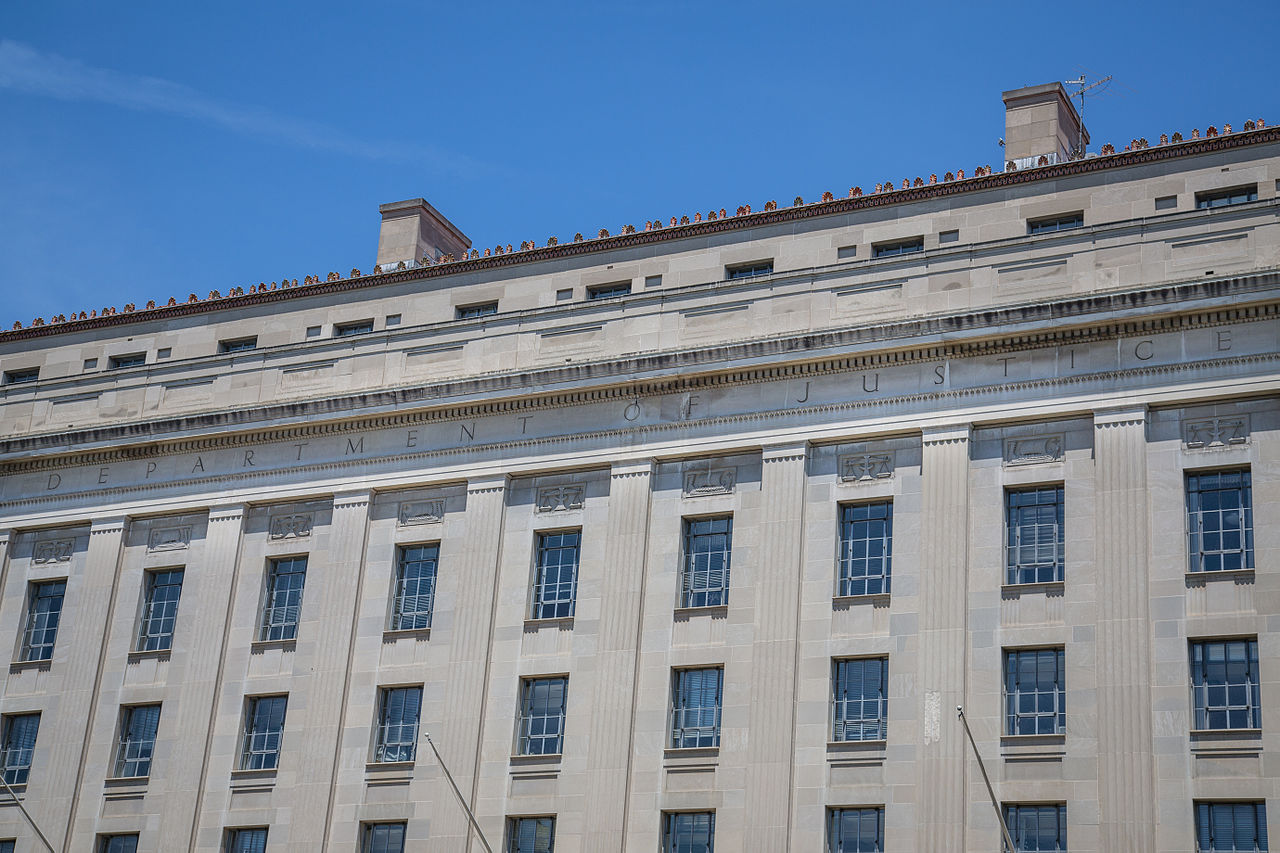
The U.S. Department of Justice (DOJ) Antitrust Division has seen the first-everwhistleblower payment under a newly developed rewards programme, which heralds a major change in the way criminal antitrust offences should be understood as a way of exposing and prosecuting them.
The ~737,000 (£$1 million) milestone payout reflects a larger initiative to encourage insiders to disclose covert anticompetitive behaviour damaging consumers and markets.
The United States Postal Service (USPS) worked with the DOJ Antitrust Division to award the first whistleblower under the Whistleblower Rewards Programme on 29 January 2026.
This programme, which opens in July 2025, enables individuals to have monetary compensation to offer their original and valid information that results in a successful action of enforcement, whether in terms of criminal fines or at least 1 million dollars in entry.
Whistleblowers who achieve the results of criminal enforcement due to their voluntary report under the programme might receive a reward of up to 30 per cent of the monetary recovery. Employees are also guarded by the federal law against retaliation in case of reporting criminal antitrust violations by the employer.
According to Assistant Attorney General Abigail Slater, the programme was intended to help crack the secrecy that usually surrounds anticompetitive conspiracies in encouraging insiders who had first-hand knowledge of their existence report them.
The initial award was based on the leaked information that aided the federal prosecutors in initiating criminal charges against EBLOCK Corporation, which is an online auction site that deals in used cars.
Court documents indicate that EBLOCK entered into another auction business in November 2020 but was unable to stop a current bid-rigging and conspiracy scheme of fraud, in which workers in both companies conspired to overcharge and stifle competition.
Such practises, which it reportedly did all as far back as February 2022, consisted of fraudulent activities including so-called shill bidding, where spent bids artificially elevated the sale price to legitimate bidders.
As a condition of the resolution, EBLOCK admitted to a criminal fine of $3.28 million and selected a Deferred Prosecution Agreement (DPA) with the Antitrust Division. The initial tip given by the whistleblower was credited with the help of which prosecutors were able to take this enforcement action.
Source: International Business Times UK
