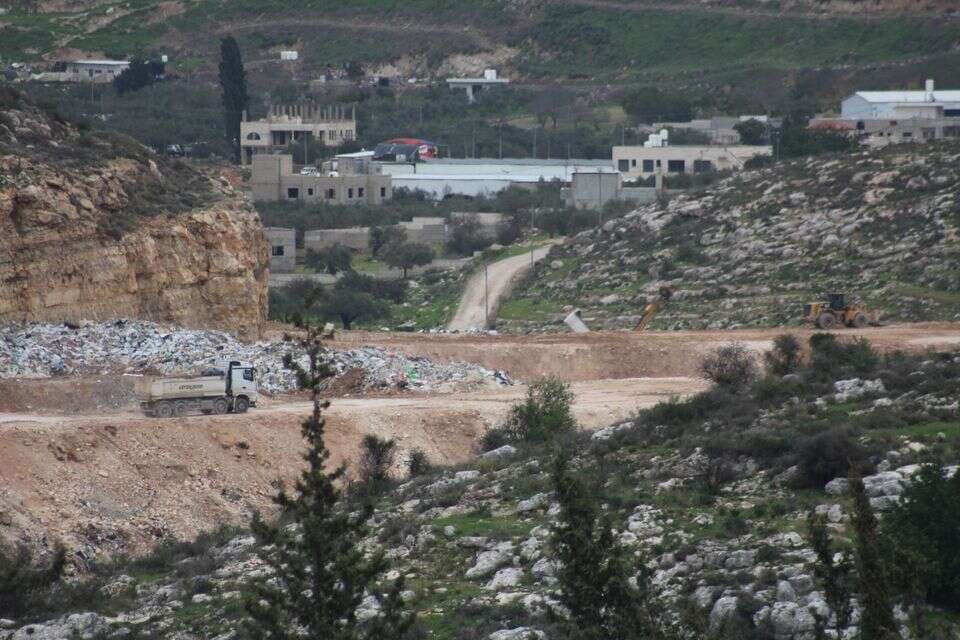
In the rugged terrain of Yehuda and Shomron, known as Yosh, acrid smoke rises unchecked from illegal waste dumps, even as Israeli security forces deploy aerial drones, establish temporary military roadblocks, and seize trucks laden with garbage. Recent operations have intensified, with soldiers from the Kfir Brigade confiscating over a dozen vehicles in a single week, highlighting a persistent environmental crisis fueled by open burning practices that choke the air and threaten public health across the region.
The "military axis in the field," a tactical cordon involving infantry units and armored vehicles, has become a standard response to intelligence reports of waste transport. Drones equipped with thermal imaging pinpoint fires before they spread, allowing rapid intervention. Last Tuesday, near the village of Salfit, troops intercepted three trucks dumping construction debris and household refuse, igniting it on-site to evade detection—a common tactic that releases toxic fumes into nearby Jewish communities and Palestinian towns alike.
This scourge stems from decades of inadequate waste management infrastructure in Area C and beyond, where unauthorized landfills proliferate amid jurisdictional disputes. Environmental organizations like the Society for the Protection of Nature in Israel report that over 200 such sites operate illegally, burning plastics, tires, and medical waste that contribute to respiratory illnesses and soil contamination. Local residents in settlements such as Ariel and Karnei Shomron have documented elevated cancer rates linked to the pollution, while Palestinian authorities blame smuggling from urban centers like Ramallah.
IDF sources describe the challenges: vast, unpaved roads ideal for evasion, limited manpower amid ongoing security threats, and political sensitivities that complicate cross-border enforcement. "We're hitting them where it hurts— their transport logistics—but the root problem demands coordinated action with Palestinian civil authorities," said a brigade commander speaking on condition of anonymity. Critics, including settler leaders, argue that lax oversight from the Palestinian Authority effectively encourages the practice, turning Yosh into an open-air incinerator.
As winter rains threaten to wash toxins into aquifers, calls grow for technological upgrades like AI-monitored sensors and international funding for proper landfills. Yet with tensions simmering, these aggressive measures—drones buzzing overhead and trucks impounded at makeshift checkpoints—signal a determination to reclaim the skies from the haze of neglect, even if the fires still flicker in the distance.
