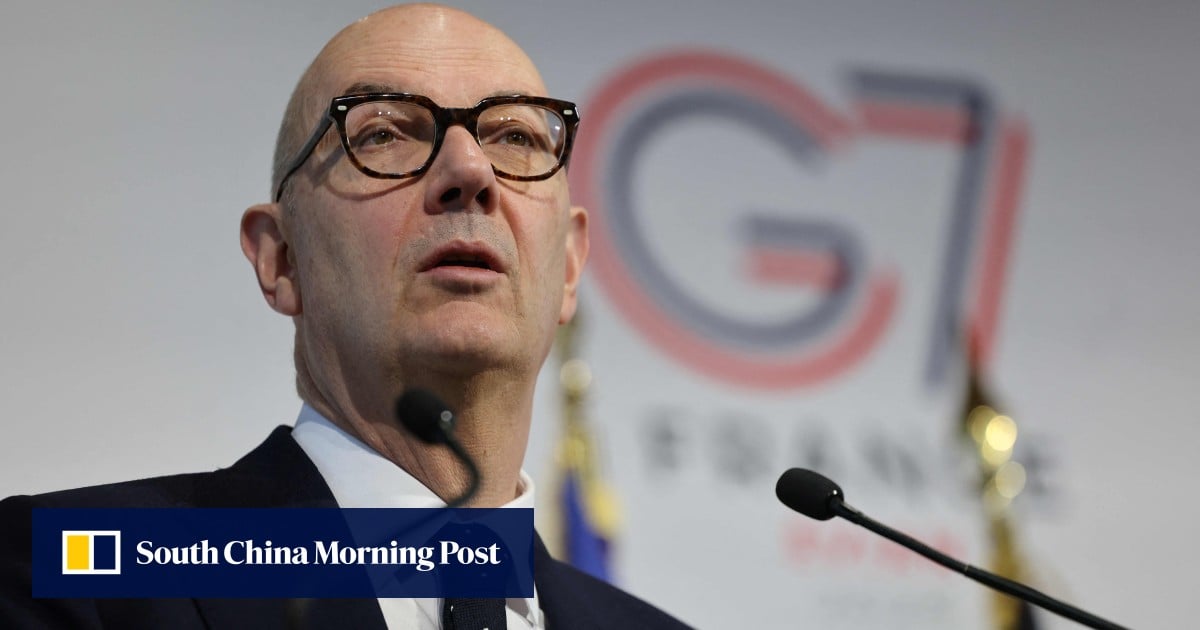
In a stark warning amid escalating trade tensions with China, France's Finance Minister Bruno Le Maire has called for restraint after a prominent Paris-based economic agency recommended imposing a 30% tariff on Chinese imports. The proposal, unveiled by the Institut de Prospective Économique de Paris (IPEP) in a report released Tuesday, targets key sectors like electric vehicles, steel, and solar panels, citing unfair subsidies and market distortions from Beijing. Le Maire emphasized that unilateral actions could provoke retaliation and harm Europe's competitiveness, urging a coordinated European Union response instead.
The IPEP report, drawing on data from recent EU investigations, argues that Chinese state-backed overproduction has flooded global markets, undercutting European manufacturers. Proponents of the tariff, including French steelworkers' unions and green tech firms, hail it as essential protection for domestic jobs and innovation. "Without decisive measures, Europe's industrial base risks irreversible decline," the report states, projecting up to 200,000 job losses in France alone over the next five years if current trends persist. The agency calls for the tariff to be paired with incentives for European production to bolster supply chain resilience.
Le Maire's caution stems from France's delicate balancing act in EU trade policy. Speaking at a press conference in Paris, he noted ongoing WTO disputes and the risk of a broader trade war that could spike consumer prices and disrupt supply chains for everything from smartphones to pharmaceuticals. "Tariffs are a tool, not a silver bullet," he said, advocating for diplomacy alongside measures like the EU's existing anti-dumping duties. This comes as Brussels prepares its own response to Chinese EV exports, with provisional tariffs already in place since last year.
The proposal lands against a backdrop of shifting global alliances. France, a vocal advocate for "strategic autonomy" under President Macron, has ramped up scrutiny of Chinese investments while deepening ties with Indo-Pacific partners via frameworks like the EU-India trade pact. Critics, including German exporters reliant on Chinese markets, warn that aggressive tariffs could fragment the single market. Meanwhile, Beijing has dismissed the IPEP findings as protectionist, pledging countermeasures if Europe escalates.
Analysts see Le Maire's intervention as a bid to temper domestic protectionist fervor ahead of national elections, where economic security is a hot-button issue. While the tariff idea gains traction in France's National Assembly, implementation would require EU consensus, likely delaying any action until mid-2026. As transatlantic partners like the US push their own China tariffs under a second Trump administration, Europe faces pressure to align without sacrificing its multilateralist stance.
