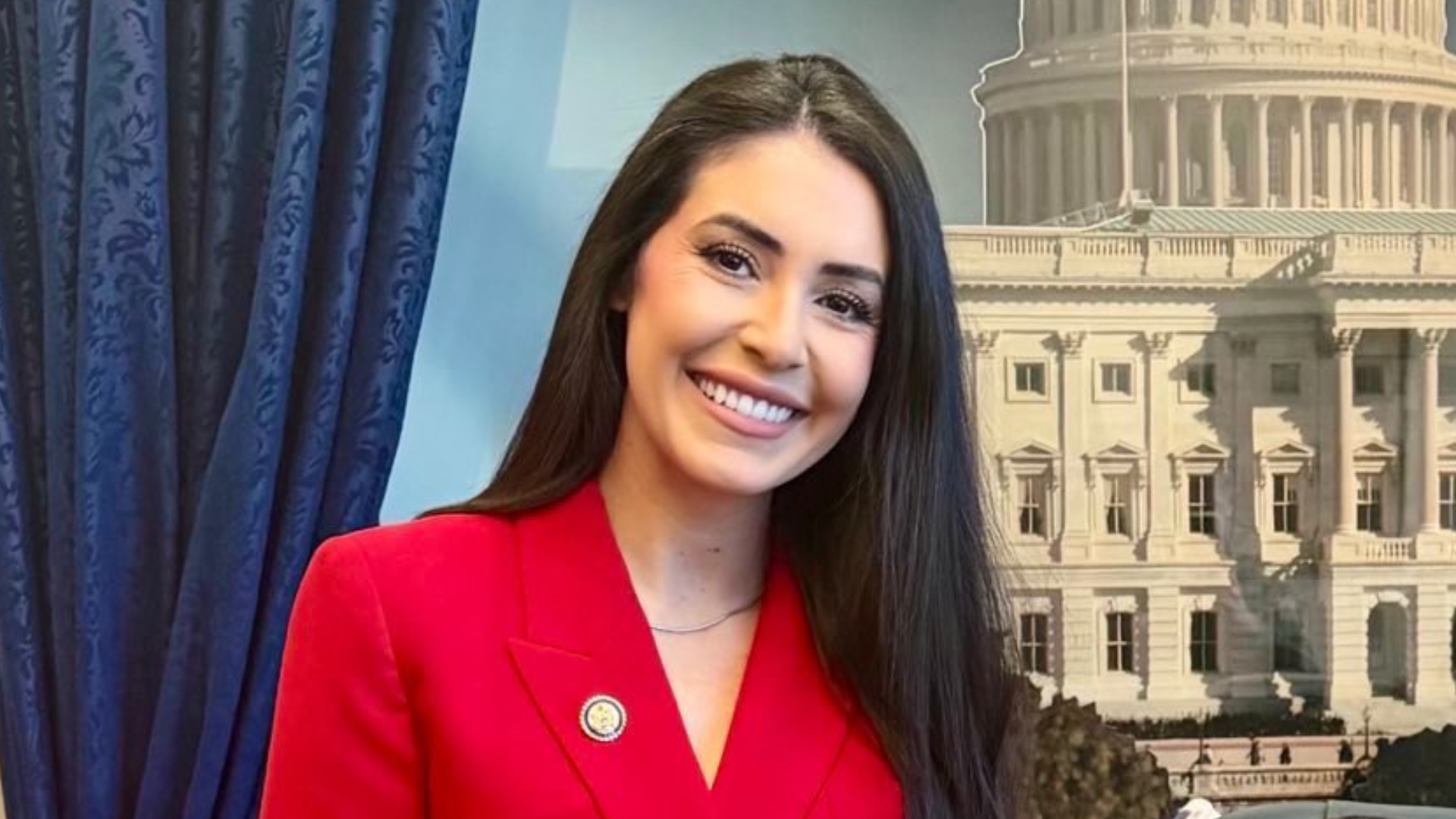
Florida Republican Representative Anna Paulina Luna has provoked widespread outrage after asserting during a recent congressional hearing that some individuals identified as victims of Jeffrey Epstein's sex trafficking ring were also complicit in child trafficking activities. Her remarks, delivered amid discussions on government transparency and elite accountability, challenged the conventional narrative surrounding Epstein's network, suggesting a more complex web of participation among those ensnared in the scandal.
Luna made the comments while questioning witnesses on the release of Epstein's client list and related documents, stating, "We've heard a lot about victims, but let's be clear: some of these so-called victims were recruiters, groomers, and active participants in the trafficking operation. They weren't just passive; they were co-conspirators profiting from the depravity." The statement, captured on live broadcast, immediately drew sharp rebukes from advocacy groups and fellow lawmakers, who accused her of victim-blaming and undermining survivor testimonies.
Critics, including the National Center for Missing & Exploited Children and Democratic leaders like Rep. Ted Lieu, condemned Luna's words as insensitive and dangerous. "Survivors of Epstein's horrors deserve compassion, not conspiracy theories," Lieu posted on social media, echoing sentiments from Epstein survivor Virginia Giuffre, who called the claims "a grotesque revision of history meant to protect the powerful." Progressive outlets amplified the backlash, framing Luna's position as part of a broader GOP effort to deflect from high-profile figures allegedly implicated in the files.
In response, Luna doubled down on her stance via a statement on X, formerly Twitter, emphasizing that her comments were based on unsealed court documents and depositions from the Ghislaine Maxwell trial. "Truth doesn't care about feelings. The evidence shows a pyramid scheme of abuse where lines between victim and perpetrator blurred. Ignoring that perpetuates the cycle," she wrote. Supporters, including conservative commentators, praised her for piercing what they see as a sanitized portrayal of the Epstein saga, pointing to specific testimonies where underage participants allegedly recruited others.
The controversy unfolds against the backdrop of renewed scrutiny over Epstein's operations, following partial releases of flight logs and visitor records in late 2025. Federal investigations continue to probe unindicted co-conspirators, with Luna's committee pushing for full declassification. Her remarks highlight deepening partisan divides: Republicans demand unfiltered disclosure to expose bipartisan elite involvement, while Democrats warn of doxxing risks and trauma to genuine victims.
As the firestorm rages, Luna's bold assertion raises probing questions about accountability in Epstein's shadowy empire. Will it catalyze deeper inquiries into the roles of all players, or entrench narratives of pure victimhood? With midterm elections looming, the debate underscores how the scandal remains a potent flashpoint in America's culture wars over truth, power, and justice.
