More than a year after a 33-year-old woman froze to death on Austria’s highest mountain, her boyfriend went on trial on Thursday accused of grossly negligent manslaughter.
The case has drawn wide attention because a conviction could have implications for how far climbers are legally responsible for their companions in extreme conditions, according to a report by UK-broadcasterBBC.
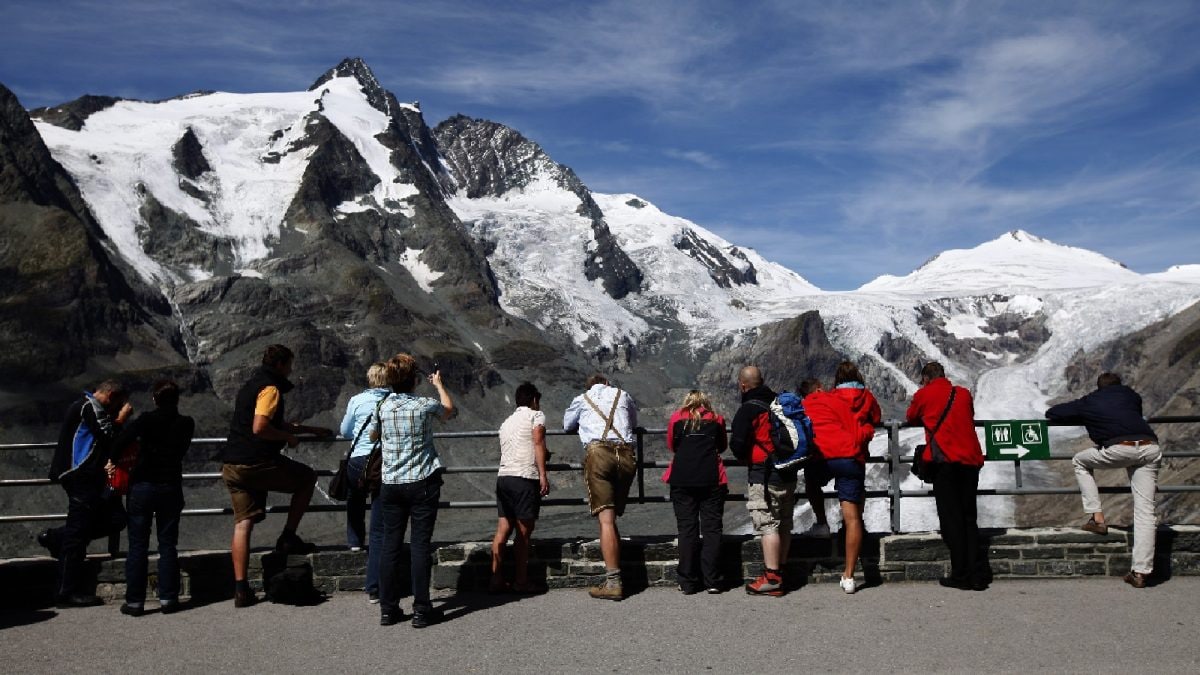
The tragedy unfolded after the couple began their climb of the 3,798m Grossglockner, the country’s tallest peak. Kerstin G died of hypothermia after the expedition went fatally wrong, with prosecutors alleging her boyfriend left her exhausted and unprotected near the summit in severe weather in the early hours of 19 January 2025 while he went to seek help.
According to theBBC, prosecutors say the defendant made a series of mistakes from the outset and have listed nine alleged errors. At the heart of the case is the question of when personal risk-taking crosses into criminal liability — an issue Austria’s dailyDer Standardsaid could mark “a paradigm shift for mountain sports."
State prosecutors in Innsbruck argue the man should be treated as the “responsible guide for the tour" because he had significantly more experience and had planned the climb. They say he failed to turn back or seek help in time despite worsening conditions.
Identified by Austrian media as Thomas P, he denies the charges. His lawyer, Kurt Jelinek, has described the death as “a tragic accident."
Prosecutors say he undertook the climb even though his girlfriend had “never undertaken an Alpine tour of this length, difficulty, and altitude," and despite harsh winter weather. They allege the pair started two hours late, lacked sufficient emergency bivouac equipment and that he allowed her to wear snowboard soft boots, which they say were unsuitable for the terrain.
The defence disputes these claims, saying the couple planned the climb together and believed they were adequately prepared. “Both considered themselves to be sufficiently experienced, adequately prepared, and well equipped," Jelinek said, adding they were in “very good physical condition."
Prosecutors also argue the pair should have turned back earlier as winds reached up to 74 km/h and temperatures dropped to −8°C, with wind chill near −20°C. They did not retreat.
What happened next is contested. The defence says the pair reached Frühstücksplatz at 13:30 on 18 January — a point beyond which turning back before the summit was no longer feasible — and continued as they were not exhausted.
Source: World News in news18.com, World Latest News, World News
