Across Europe, there is a growing sense that something needs to change when it comes to the power of big American technology companies. From cloud computing to social media, US firms have become deeply woven into everyday life. Now, many voters are urging their governments to push back.
The situation, however, is not that simple. Any serious move against these companies could provoke a backlash from Washington. And that could have real consequences not just for politicians, but for businesses and ordinary people alike.
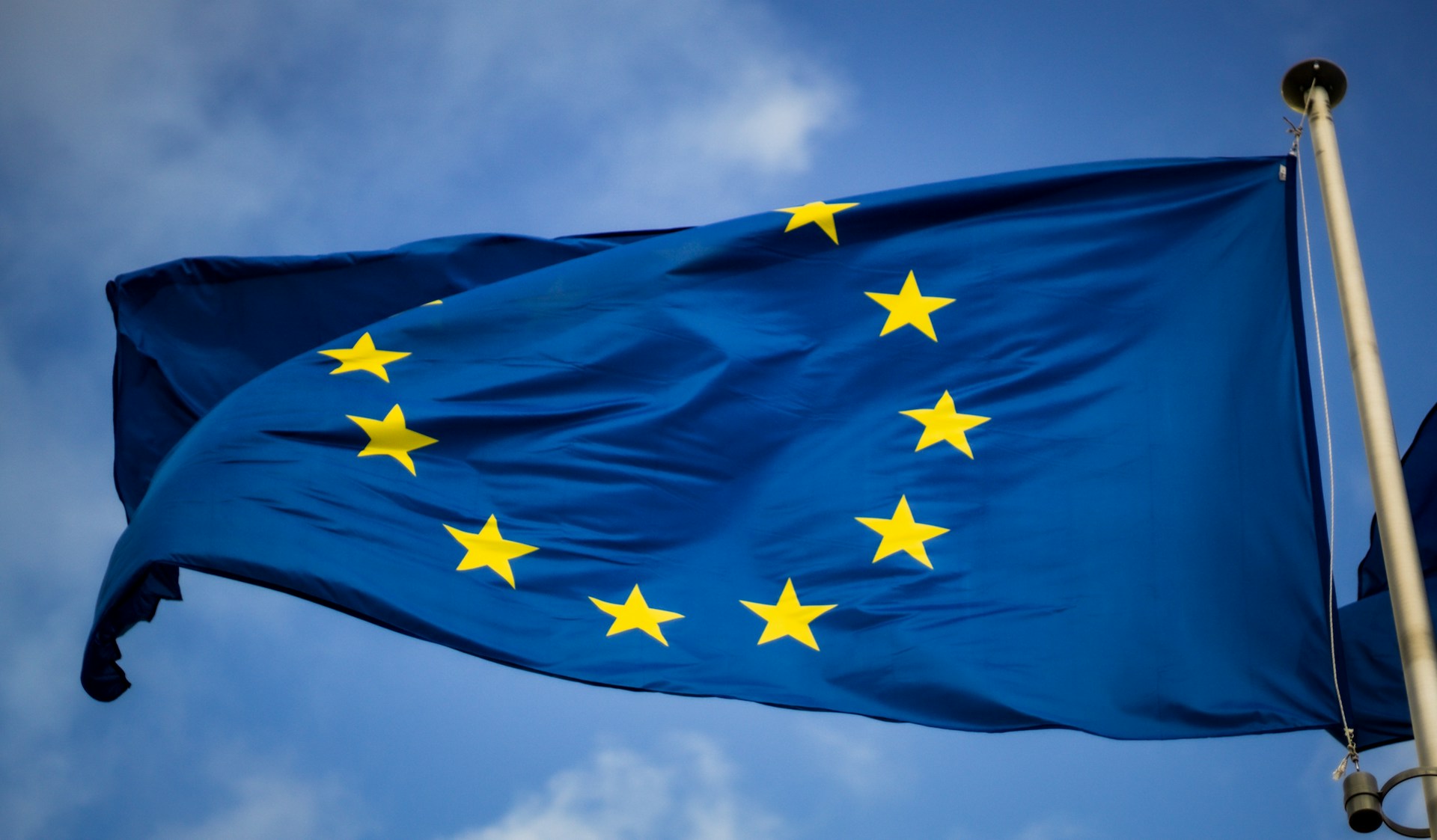
In cities like Paris and Berlin, the frustration is becoming more visible. Some of it is aimed atSilicon Valley. Some of it is directed closer to home, at the European Union itself, where critics say action has been too slow. What was once mostly debate is now starting to turn into concrete steps.
European regulators have begun taking a closer look at major US technology firms, even as they recognise the risk of worsening relations with the United States. According toReuters, officials understand that stricter enforcement could increase trade tensions, but pressure from the public is making inaction harder to justify.
In Spain, prosecutors were ordered to investigate Meta, X and TikTok over allegations linked to AI-generated sexual images. The move reflects wider concern about how new technologies are being used online. Britain has taken similar steps.
Elsewhere, Ireland has opened a formal investigation into Elon Musk'sAI chatbot, Grok. Several countries, including France, Greece, Denmark, Slovenia and the Czech Republic, are also considering social media bans for adolescents amid worries about online abuse, addiction and falling academic performance.
These decisions carry weight beyond individual cases. They could affect trade, diplomacy and wider economic ties at a time when cooperation between Europe and the US remains crucial.
Behind it all is public sentiment. Many Europeans feel foreign technology companies have too much control over personal data, advertising and online conversation. That feeling is increasingly shaping national politics ahead of key elections.
The European Commission has already introduced major laws such as the Digital Markets Act and the Digital Services Act. These were designed to rein in the biggest platforms and make the digital space impartial.
Still, some leaders and observers believe enforcement has not gone far enough.
Source: International Business Times UK
