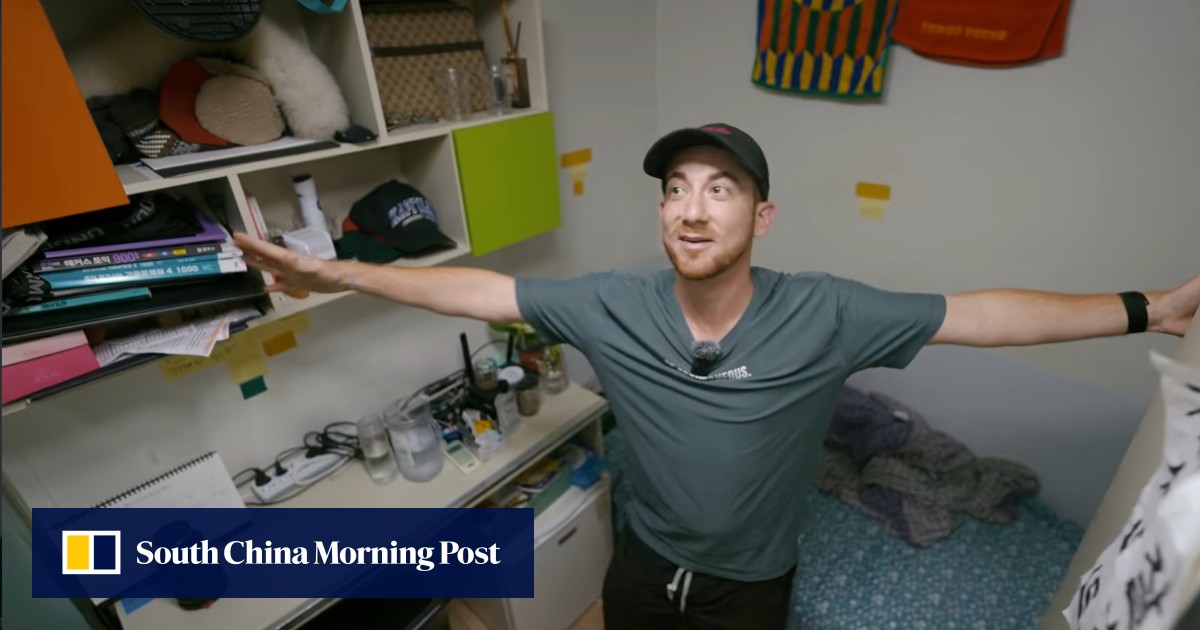
In the heart of Seoul's bustling districts, a viral YouTube tour has peeled back the curtain on gosiwon living, exposing the claustrophobic reality of South Korea's tiniest homes. These so-called "closet rooms," often no larger than a parking space at 1 to 3 square meters, cram a single bed, a desk, a mini-fridge, and a hot plate into spaces so confined that residents must contort to move. The video, amassing millions of views, follows a young office worker navigating her daily routine in one such unit, highlighting the desperation driving thousands into these matchbox dwellings amid skyrocketing urban rents.
Gosiwons emerged in the 1980s as affordable crash pads for exam-cramming students near hagwon cram schools, but their appeal has ballooned with Seoul's housing crunch. Renting for 300,000 to 500,000 won monthly—about $220 to $370—these rooms offer a roof over one's head without the deposits demanded by standard apartments. Shared bathrooms and kitchens down the hall keep costs low, yet they come at a steep personal toll: stifling heat from poor ventilation, rampant mold, and isolation that blurs the line between home and prison.
South Korea's capital, home to half the nation's 51 million people, grapples with a real estate crisis exacerbated by low birth rates, an aging population, and speculative property booms. Average apartment prices have surged past 1 billion won ($730,000), pricing out young professionals and migrants. Gosiwons, clustered in areas like Sinchon and Hongdae, now shelter not just students but gig workers, divorcees, and rural newcomers chasing the Korean Dream. Government data shows over 30,000 such units in Seoul alone, with occupancy rates hovering near 90 percent.
The YouTube tour captures poignant vignettes: the resident folding her body to cook instant ramen, her bed doubling as dining table and workspace, or stepping into a communal shower reeking of bleach. "It's freedom from family expectations, but at what cost?" she muses in the video, echoing sentiments from online forums where gosiwon dwellers share tips on surviving the "coffin life." Safety concerns loom large too—fires in these tinderbox buildings have claimed lives, prompting sporadic crackdowns, though enforcement remains lax.
Experts warn that gosiwon proliferation signals deeper societal fractures. Urban planner Kim Ji-hoon argues it reflects failed housing policies, urging subsidies for youth rentals and micro-apartments with better standards. Yet, as economic pressures mount post-pandemic, with youth unemployment at 7 percent, these closets persist as a grim necessity. The video has ignited debates on social media, blending sympathy with calls for reform, underscoring how Seoul's glittering facade masks a shadow world of squeezed lives.
