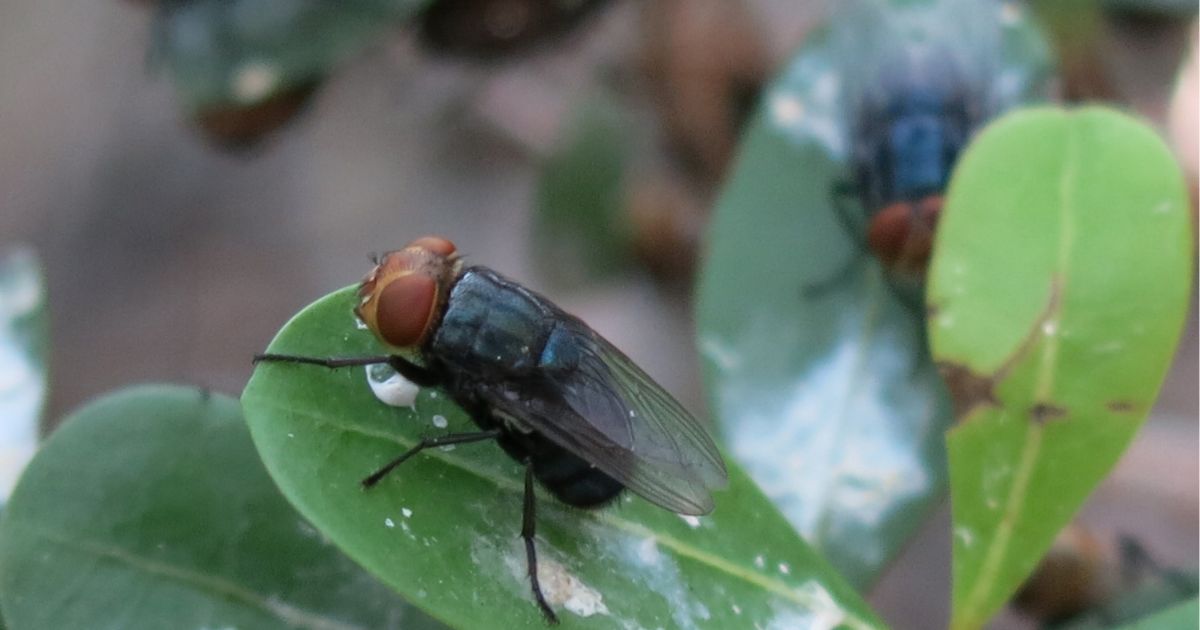
United States agricultural authorities are responding to a potential biosecurity threat following a suspected parasitic infestation in southern Texas. The Department of Agriculture (USDA) is investigating a possible case of the New World screwworm, a parasite capable of seriously damaging livestock populations.
This follows the detection of the parasite in Mexico, just 25 miles from the American border. A confirmed outbreak could jeopardise the livestock sector, potentially disrupting supply chains and driving up production costs.
The suspected specimen was collected from calves on a cattle ranch in La Pryor, 50 miles from the Mexican border. Officials dispatched the sample to the USDA National Veterinary Services Laboratories in Ames, Iowa, to verify whether the parasite has crossed the border.
In response, federal and local agricultural bodies have initiated containment protocols to prevent potential transmission. The USDA announced via social media, 'We have already activated personnel on the ground and are working with local partners.'
Texas Representative Don McLaughlin expressed concern regarding the situation on the ranch within his district. Emphasising his commitment to eradication efforts, McLaughlin stated on X, 'If this case is confirmed I will stand lock step with every local, state and federal agency to work together and fight this horror.'
The alert was triggered after the parasite was identified in a five-year-old goat on 28 May within Mexico's Coahuila state, which borders south‑western Texas. American authorities have tracked 32 cases of the parasitic fly throughout Coahuila, including 19 active cases.
Broader regional data highlights the scale of the threat moving through Central America. Across Mexico, at least 26,216 screwworm cases have been identified, and more than 2,700 remain active.
The USDA provides updates twice a week regarding new cases discovered within 400 miles of the border. However, the official USDA webpage notes the pest 'is not currently present' stateside and that 'the current risk to livestock, other animals, and people in the United States remains very low.'
The risk has evolved over recent years, with the parasite moving closer to American agricultural zones. In April, Texas Agriculture Commissioner Sid Miller announced it was found 60 miles from the border, as reported by CBS Texas.
State authorities have warned outdoor enthusiasts since late 2024, when the Texas Parks and Wildlife Department issued an advisory following the detection of the screwworm in a cow located in southern Mexico.
Source: International Business Times UK
