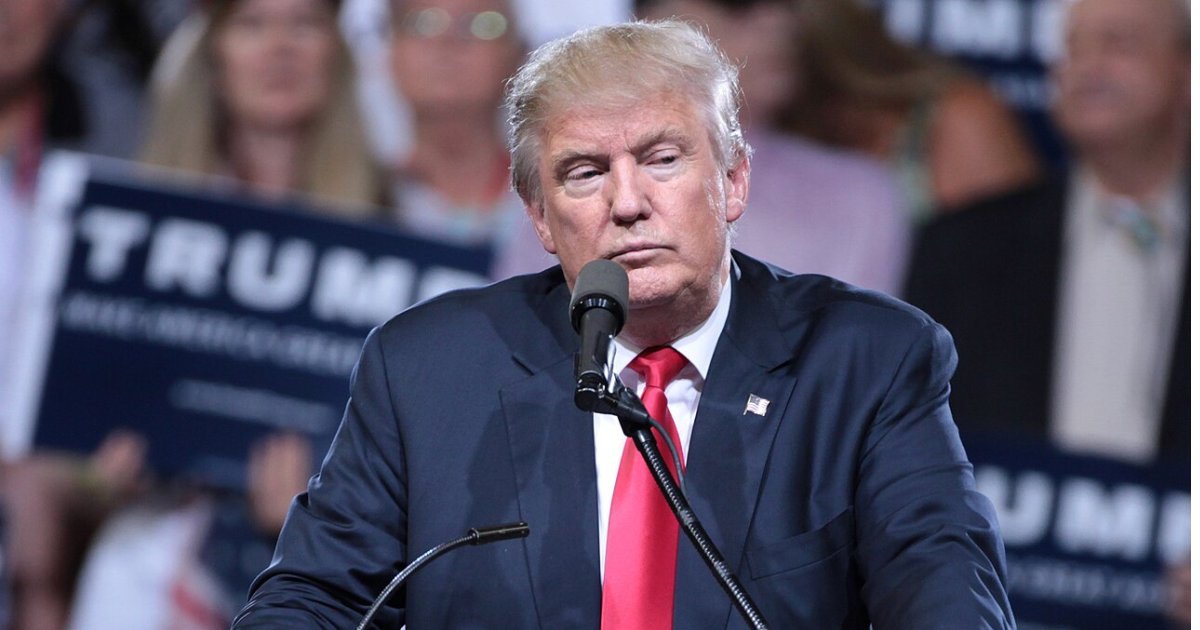
A sweeping new executive order signed by President Donald Trump is set to reshape a segment of the federal workforce, placing thousands of senior government employees in a category that could allow their dismissal without cause. The move, which expands presidential control over key agency roles, has already prompted legal concerns, political criticism and predictions of court challenges.
The order affects a smaller group of workers than initially anticipated. Still, critics argue it could have far-reaching consequences for the independence of the civil service and the government's ability to retain experienced personnel.
Trump's executive order reclassifies approximately 8,000 federal employees as at-will workers under a new category, Schedule Policy/Career (Schedule P/C). Most of those affected occupy senior GS-15 positions, the highest level in the federal civil service before entry into the executive ranks.
The employees include policy office leaders, chiefs of staff, regional directors, programme managers, senior communications officials, and personnel responsible foroverseeing government spending and grants.
Unlike traditional civil servants, these workers could now be removed without the government having to establish poor performance or misconduct. Previously, federal employees generally had access to formal disciplinary procedures and appeal rights before termination.
The administration had initially estimated that as many as 50,000 positions could be reclassified. While the current order applies to a much smaller group, officials have not ruled out expanding the policy in future,NPRreported.
Trump has just signed an executive order that allows his administration to fire 8,000 federal employees without reason.pic.twitter.com/ECPEPZiWes
At-will employment allows an employer to terminate a worker without providing a specific reason, provided the dismissal does not violate the law. The federal government has historically operated differently, granting civil servants protections designed to shield them from political pressure and ensure continuity between administrations.
Office of Personnel Management Director Scott Kupor defended the change, saying it is intended to strengthen accountability within government agencies.
'This is very much about accountability,' Kupor told reporters. 'It's also about a restoration, in our mind, of the democratic process.'
Source: International Business Times UK
