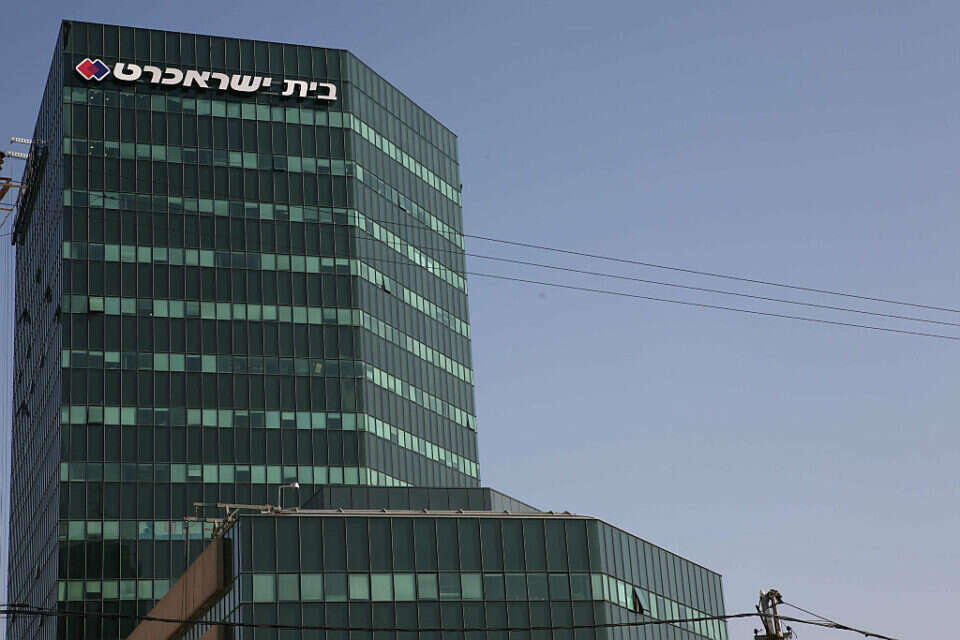
Isracard, one of Israel's leading credit card companies, is set to pocket approximately NIS 90 million from the divestiture of its popular BuyMe voucher platform, marking a significant cash infusion amid evolving fintech dynamics. The transaction, finalized this week, underscores the company's efforts to streamline operations and refocus on core payment processing amid intensifying competition in digital gifting and experiential commerce.
BuyMe, acquired by Isracard several years ago, revolutionized the Israeli market for digital gift cards and experience vouchers, boasting millions of users who redeemed credits for everything from restaurant meals to adventure outings. Under Isracard's ownership, the platform expanded rapidly, integrating seamlessly with credit card rewards programs and capitalizing on the post-pandemic surge in experiential spending. The sale price, though not fully disclosed, positions the deal as a lucrative exit, with the NIS 90 million representing pure profit after accounting for initial investments and operational costs.
The buyer, a consortium led by prominent Israeli investment firm Phoenix Holdings in partnership with a European fintech player, aims to accelerate BuyMe's international expansion. Sources close to the deal indicate that Phoenix sees untapped potential in adapting the platform for global markets, particularly in Europe where voucher-based gifting remains fragmented. For Isracard, the proceeds come at an opportune time, bolstering its balance sheet as it navigates regulatory pressures from the Bank of Israel and invests in AI-driven fraud detection and contactless payments.
Analysts view the sale as a pragmatic step in Isracard's broader portfolio rationalization strategy. "This divestment allows Isracard to shed a non-core asset while realizing substantial gains, freeing up capital for high-margin areas like merchant acquiring," said fintech expert Dr. Miriam Levy of Tel Aviv University. Shares in Isracard ticked up 2.3% on the Tel Aviv Stock Exchange following the announcement, reflecting investor confidence in management's capital allocation discipline.
Yet the move also highlights shifting tides in Israel's vibrant startup ecosystem, where once-hot consumer tech plays like BuyMe face maturation challenges. With economic headwinds including inflation and geopolitical tensions, divestitures such as this provide liquidity to weathering companies. As Isracard deploys its windfall—potentially toward shareholder returns or strategic acquisitions—the sale serves as a reminder of the sector's resilience and adaptability in uncertain times.