As throngs of spectators and athletes descended on Milan-Cortina for the 2026 Winter Olympics, a series of brazen train sabotage incidents plunged Italy's rail network into chaos, raising alarms about the shadowy group orchestrating the disruptions. Over the past 48 hours, at least five high-speed Frecciarossa trains bound for Olympic venues were derailed or halted by expertly placed explosives and tampered signals, stranding thousands and delaying medal ceremonies. Italian authorities have confirmed no fatalities, but the attacks have exposed vulnerabilities in the country's infrastructure just as the Games hit their peak.
Investigators from Italy's Carabinieri and national anti-terrorism unit Digos zeroed in on a radical eco-anarchist collective known as "Terra Libera," which claimed responsibility via an encrypted manifesto posted on dark web forums. The group decries the Olympics as a "corporate assault on the Alps," citing the event's carbon footprint and construction damage to fragile mountain ecosystems. Digital forensics traced the post to servers in northern Italy, near Bolzano, a hotspot for environmental extremism intertwined with South Tyrol separatist sentiments. Terra Libera's history includes smaller acts like pipeline bombings and logging site arsons, but this marks their boldest escalation.
The sabotage's precision—using homemade ANFO explosives hidden in trackside culverts and remote-hacked signaling systems—suggests insider knowledge, prompting scrutiny of rail workers and disgruntled contractors. Prime Minister Giorgia Meloni convened an emergency cabinet meeting, vowing "zero tolerance for eco-terrorism" and deploying 2,000 additional troops to secure transport hubs. Olympic organizers rerouted athletes via helicopters and military convoys, while the International Olympic Committee expressed "profound concern" over the incidents' potential to mar the Games' legacy.
Yet questions linger about deeper motives and possible foreign backing. Intelligence sources whisper of links to international networks funded by ultra-wealthy green philanthropists, echoing past disruptions at events like the 2024 Paris Olympics. Critics on the right, including Meloni's Brothers of Italy party, frame the attacks as cultural warfare against national pride, while left-leaning outlets decry overblown rhetoric that stigmatizes legitimate climate activism. As forensics teams comb debris for DNA and cyber traces, the nation braces for more unrest, with the gold medal ski races hanging in the balance.
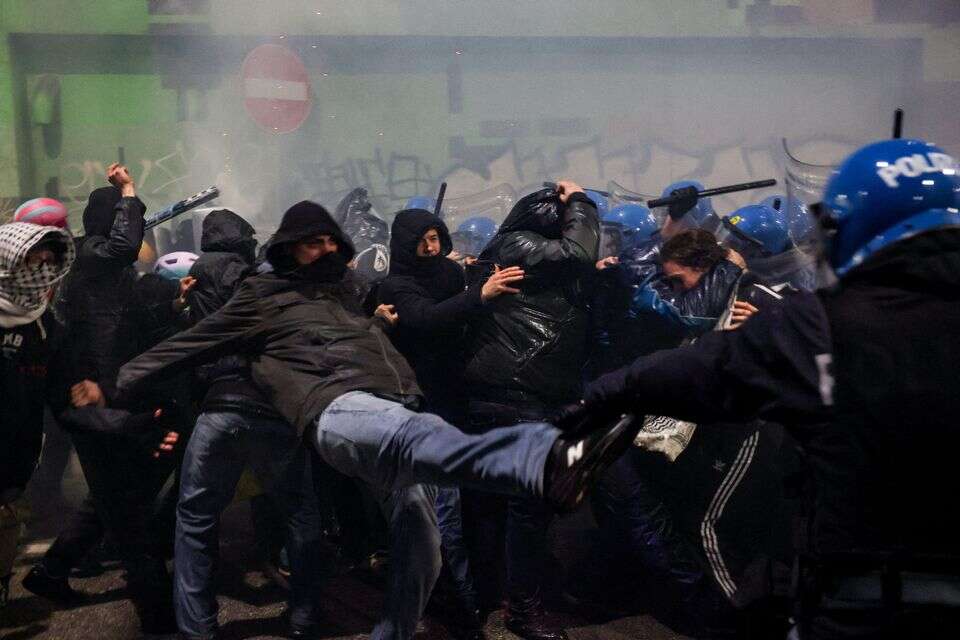
Public outrage has surged, with protests in Rome demanding harsher penalties for domestic terrorism, even as Terra Libera released a second video taunting authorities with Olympic rings morphing into melting glaciers. Whether this is isolated radicalism or the vanguard of broader anti-globalist insurgency, the Milan-Cortina Olympics have transformed from a celebration of sport into a frontline in Italy's simmering culture wars over progress, environment, and sovereignty.
