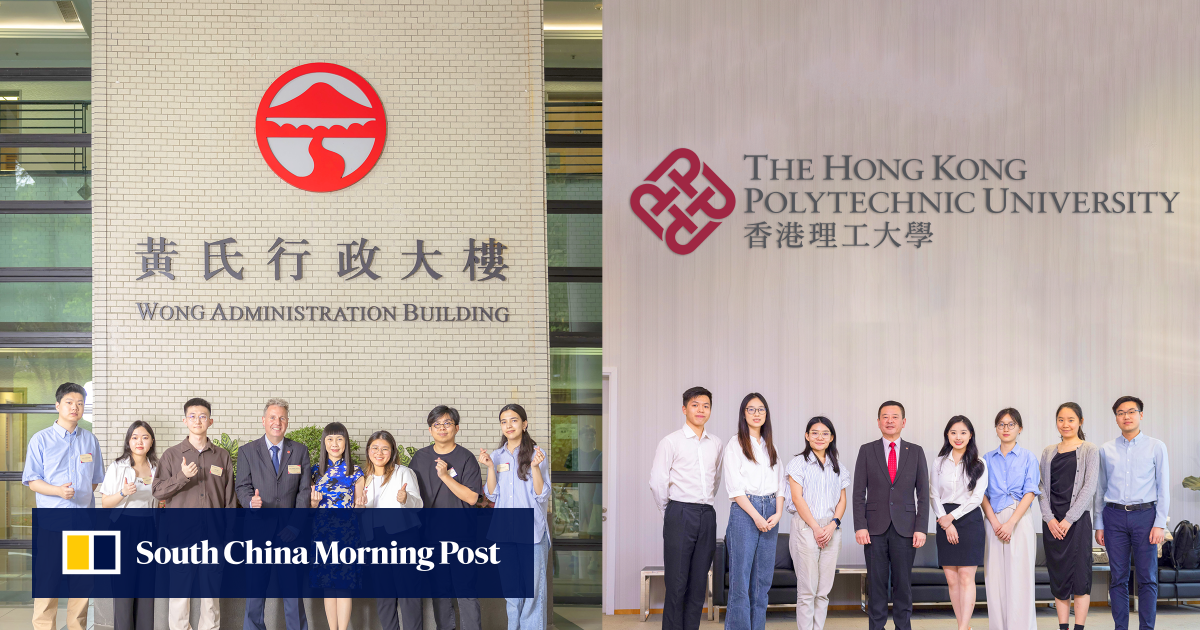
In a strategic push to elevate Hong Kong's higher education on the world stage, the University Grants Committee (UGC) has unveiled a comprehensive initiative to immerse students in both national and international learning ecosystems. The program, detailed in a recent policy blueprint, allocates over HK$500 million to fund exchange opportunities, joint research projects, and dual-degree programs across the city's eight publicly funded universities, aiming to cultivate a truly global mindset among the next generation of leaders.
At the heart of the effort lies a dual-track approach: deepening ties with mainland Chinese institutions while forging new pathways to top universities in Europe, North America, and Asia-Pacific nations. Students at institutions like the University of Hong Kong and the Chinese University of Hong Kong will gain access to semester-long exchanges at Tsinghua University and Peking University, alongside partnerships with Oxford, Stanford, and the National University of Singapore. UGC Chairman Carlson Tong emphasized the program's design to equip graduates with "cross-cultural competencies essential for thriving in a multipolar world," highlighting subsidized travel, tuition waivers, and internship placements as key incentives.
This move comes amid Hong Kong's evolving post-national security landscape, where universities have faced scrutiny over campus activism and calls for greater alignment with national priorities. Enrollment from mainland students has surged, now comprising nearly 20% of undergraduates, yet outbound mobility has lagged due to visa hurdles and geopolitical frictions. The UGC's blueprint addresses these gaps by streamlining funding applications and introducing a "Global Passport" scheme, which guarantees credits for overseas experiences and prioritizes participants for civil service and corporate scholarships.
Experts view the initiative as a savvy balancing act, positioning Hong Kong as a bridge between East and West. Dr. Emily Lau, education analyst at the Hong Kong Institute of Asia-Pacific Studies, noted that "while national integration fosters unity, international exposure counters isolationist narratives, ensuring Hong Kong remains a vibrant innovation hub." Early pilots have already seen over 1,000 students participate, with feedback praising enhanced employability—graduates reporting 15% higher starting salaries in sectors like finance and tech.
Challenges persist, including capacity constraints at partner institutions and rising costs from global inflation. Nevertheless, university leaders project full rollout by 2027, with ambitions to double outbound exchanges to 10,000 annually. As Hong Kong navigates its unique role in China's orbit, the UGC's vision underscores a commitment to nurturing globally adept talent, ready to shape the city's future in an interconnected era.
