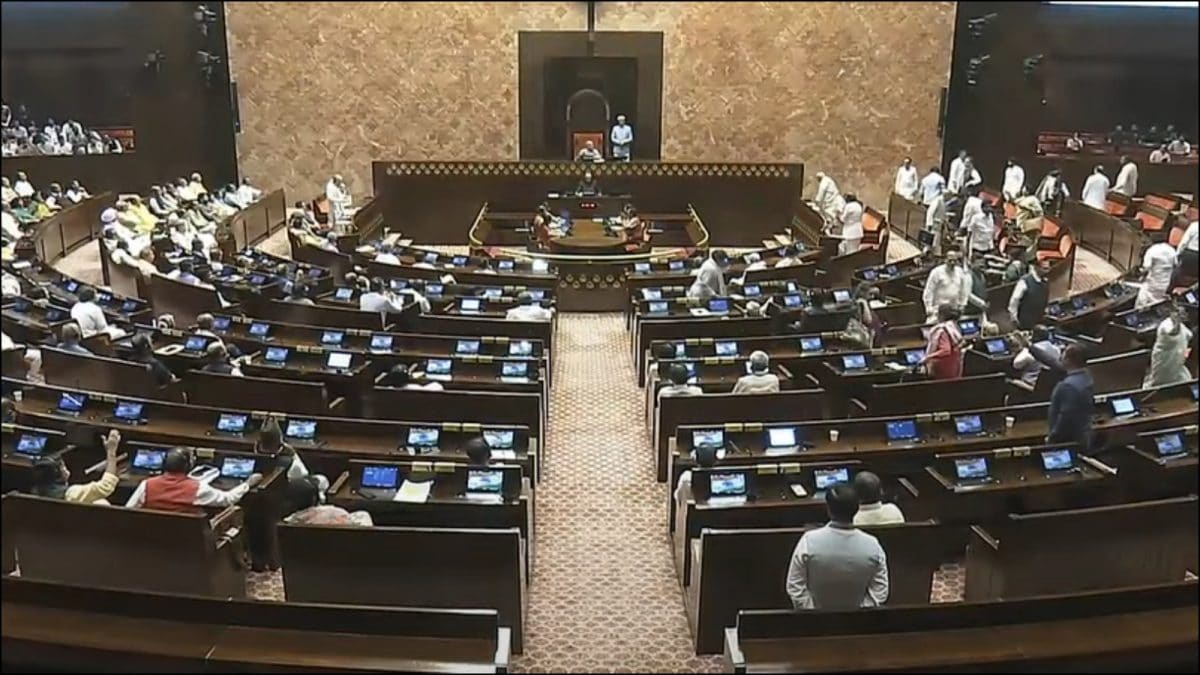
The Election Commission of India has announced elections to 37 seats of Rajya Sabha. Voting and counting of votes will take place on March 16. The elections to the 37 seats have been announced because the terms of the sitting Members of Parliament (MPs) from those seats are coming to an end in April.
The elections will take place in 37 across 10 states namely: Maharashtra, Tamil Nadu, West Bengal, Bihar, Odisha, Assam, Chhattisgarh, Haryana, Telangana and Himachal Pradesh.
The 37 MPs who will retire in April are:
Voting for the Rajya Sabha is different from a general election. Ordinary citizens do not vote in these elections. Instead, Members of the Legislative Assembly (MLAs) of each state elect the Rajya Sabha MPs from that state. The process is conducted by the Election Commission of India.
Each Rajya Sabha member serves a six-year term, and every two years, some members retire. When their term is about to end, elections are held to fill those seats. The number of seats being filled in a state depends on how many members from that state are retiring.
On voting day, MLAs cast their votes inside their respective state assemblies. They do not simply vote for one candidate. Instead, they rank candidates in order of preference — marking “1" for their first choice, “2" for their second choice, and so on. This system is called proportional representation through a single transferable vote. In simple terms, it ensures that parties get seats roughly in proportion to their strength in the state assembly.
To win, a candidate must secure a minimum number of votes, known as a quota. This quota is calculated based on the total number of MLAs voting and the number of seats available. If a candidate gets enough first-preference votes to meet the quota, they are declared elected. If all seats are not filled, votes are transferred based on second or later preferences until all seats are decided.
Rajya Sabha elections are also held through an open ballot. This means MLAs have to show their marked ballot to their party’s authorised representative before putting it in the ballot box. This is meant to reduce secret cross-voting. However, political cross-voting can still happen, and it often becomes a key factor in close contests.
To ensure uniformity and reduce tampering or confusion, the Election Commission has said MLAs must use only the integrated violet colour sketch pens supplied by the Returning Officer to mark their preference numbers on ballot papers. No other pen or writing instrument is allowed for marking preferences in this Rajya Sabha election.
The Commission said it will appoint observers in each state where elections are held. These observers will monitor the process to make sure it is conducted smoothly, freely, and fairly, following all rules and guidelines.
Source: Politics News in news18.com, Politics Latest News, Politics News
