The murder of 18-year-old student Henry Nowak has reignited a contentious debate in Britain about policing, race, and whether efforts to tackle discrimination have created unintended consequences.
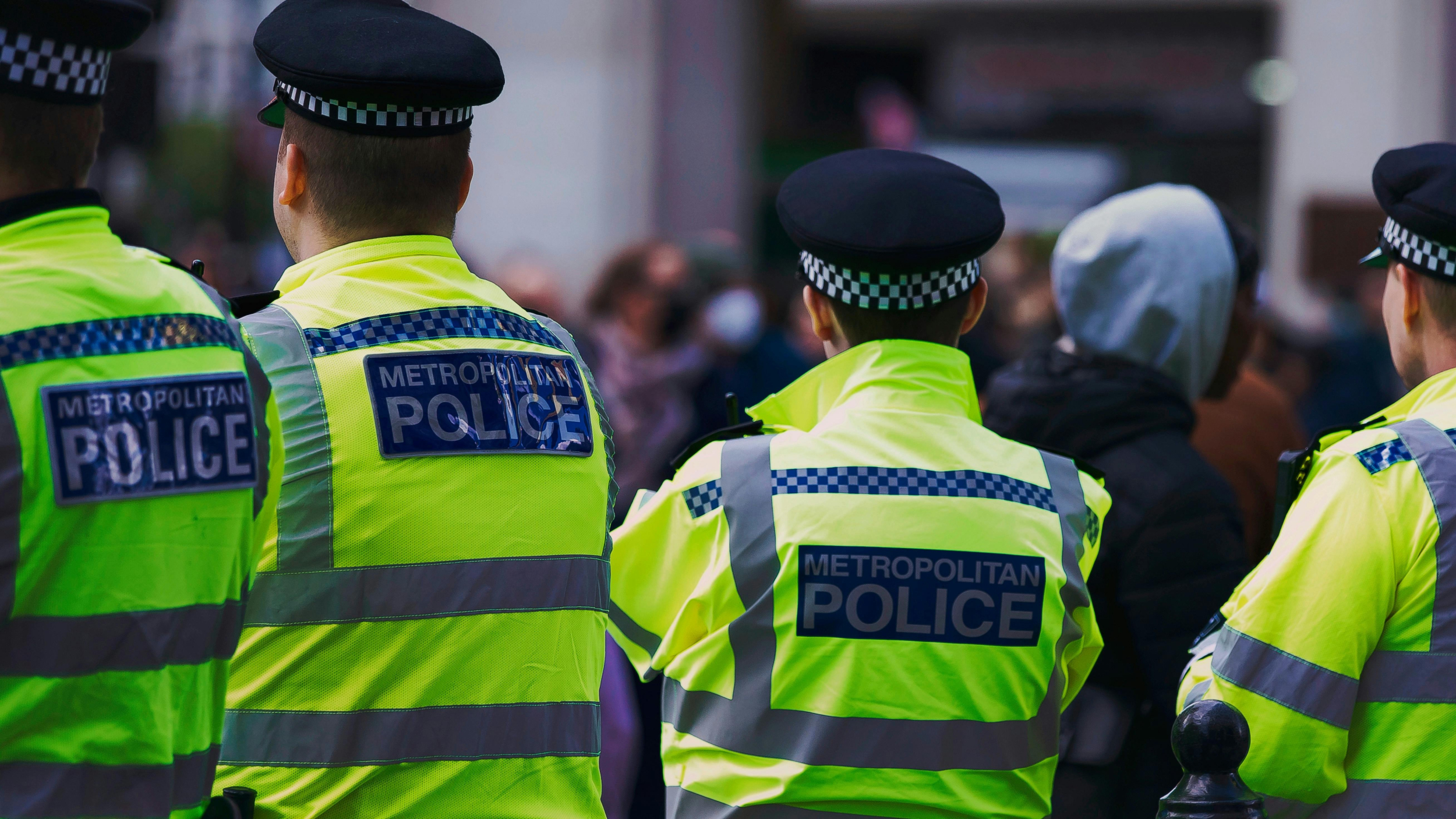
The case drew national attention after it emerged that police officers handcuffed Nowak as he lay fatally wounded following a stabbing in Southampton last December.
Bodycam footage showed officers initially doubting his claim that he had been stabbed, with one officer heard saying, 'I don't think you have, mate,' before Nowak was arrested.
He repeatedly told officers, 'I can't breathe', before another officer began checking him for injuries.
While the police force involved has apologised and an independent investigation is underway, the incident has quickly become a flashpoint in Britain's political debate.
Politicians, including Reform UK leader Nigel Farage, argue the case raises questions about anti-white prejudice within institutions, while others insist the focus should remain on the murder itself and the failures that occurred at the scene.
The case has also drawn attention after being highlighted by Elon Musk and has become a rallying point for competing views about race, policing, and accountability in modern Britain.
The debatereportedlyintensified this week afterVickrum Digwa was sentenced to life imprisonment for murdering Nowak.
The court found that Digwa had falsely claimed he had been racially abused by the student before the stabbing. Digwa's family had called the police after the attack and alleged that Nowak had knocked off Digwa's turban and subjected him to racist abuse.
When officers arrived, they encountered Nowak in severe distress but initially treated him as a suspect rather than a victim. The handling of the situation has become the centre of public scrutiny. Although a court pathologist later concluded that Nowak would almost certainly have died from his injuries even if paramedics had reached him immediately, many critics have focused on the treatment he received during his final moments.
Source: International Business Times UK
