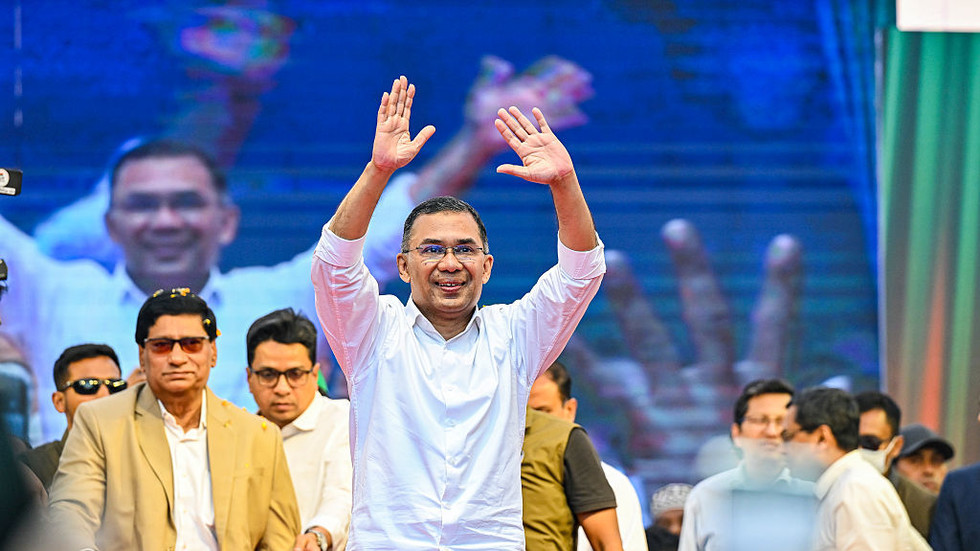
Bangladesh's streets, once filled with the chants of furious Gen Z protesters toppling a long-entrenched regime, now buzz with the tension of impending elections. As voters head to the polls on Sunday, the nation confronts a pivotal crossroads: whether to cement the revolutionary gains of 2024's youth-led uprising or risk sliding back into authoritarianism. The upheaval that forced Prime Minister Sheikh Hasina to flee in August last year has reshaped the political landscape, elevating student leaders to national prominence and thrusting Nobel laureate Muhammad Yunus into the role of interim chief adviser.
The protests began as a backlash against a controversial job quota system favoring descendants of 1971 war veterans, but quickly morphed into a broader revolt against Hasina's Awami League government, accused of corruption, election rigging, and stifling dissent. Gen Z activists, wielding social media as their weapon, mobilized hundreds of thousands, resulting in over 1,000 deaths and the eventual collapse of Hasina's 15-year rule. Under Yunus's transitional administration, reforms have included scrapping the quotas, releasing political prisoners, and purging the bureaucracy of loyalists—moves hailed by youth groups but criticized by Hasina supporters as a witch hunt.
At stake is Bangladesh's democratic future. The Awami League, now splintered and partially banned, fields a diminished presence, while the opposition Bangladesh Nationalist Party (BNP), led by Khaleda Zia's son Tarique Rahman from exile, campaigns on accountability and economic revival. Emerging from the protests is the National Citizens' Party (NCP), backed by student firebrands like Nahid Islam, promising anti-corruption drives, digital governance, and job creation for the 30% youth unemployment rate plaguing the country. With 120 million eligible voters, turnout could decide if the Gen Z vision of meritocracy and transparency endures.
Economically, the election carries high risks. Bangladesh's garment industry, the world's second-largest, has reeled from post-uprising instability, with exports down 15% and remittances faltering amid uncertainty. Inflation hovers at 10%, and foreign reserves have dwindled, prompting IMF bailout talks. A fragmented vote could lead to coalition gridlock, deterring investors, while a BNP or NCP victory might accelerate reforms but spark Awami League backlash, potentially reigniting street violence that scarred the nation last year.
Analysts warn of deeper cultural stakes in this generational showdown. The Gen Z uprising symbolized a rejection of dynastic politics—Hasina as daughter of independence hero Sheikh Mujibur Rahman, Zia as widow of another strongman—demanding instead a break from patronage networks. International observers from the UN and EU monitor the polls amid fears of irregularities, with India watching warily given Hasina's ouster strained ties. Whatever the outcome, Bangladesh's election underscores a global youth awakening, where social media-fueled movements challenge entrenched power, forcing a nation to reckon with its post-colonial identity.
