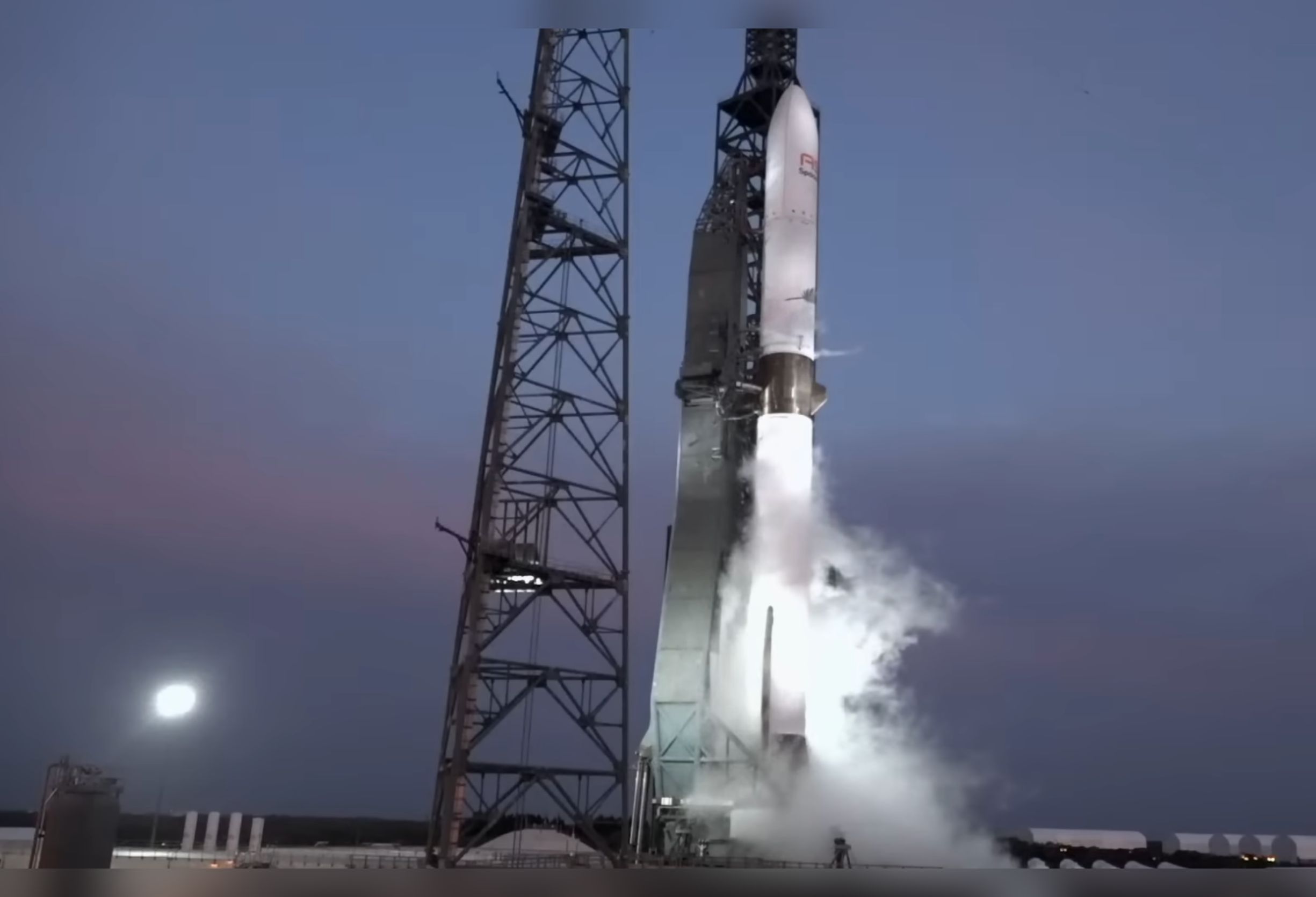
Jeff Bezos' ambition to build a major force in the space industry has suffered a setback after Blue Origin's New Glenn rocket was destroyed during a test in Florida. The incident occurred during a static-fire test at Cape Canaveral, where engineers were preparing the heavy-lift vehicle for an upcoming satellite mission.
The blast created a massive fireball, damaged parts of the launch site, and halted plans for the rocket's next flight. Fortunately,no injuries were reported.
New Glenn is intended to carry commercial satellites, support NASA-linked lunar projects, and help the company compete with rivals that have established a stronger presence in orbital launches, perSpace.
While Blue Origin has promised to recover quickly, the explosion raises new questions about timelines, infrastructure, and the company's ability to keep pace in an increasingly competitive space sector.
The explosion happened during a ground test designed to verify the rocket's readiness before launch. Instead of completing the procedure, the vehicle erupted on the pad, producing one of the most dramaticrocket failures in recent years. The force of the blast damaged key structures surrounding the launch area and destroyed the rocket itself.
In a post on X (formerly Twitter), Blue Origin assured the public that all of their 'personnel have been accounted for,' while Bezos followed up with a statement that they were all 'safe.'
We experienced an anomaly during today's hotfire test. All personnel have been accounted for. We will provide updates as we learn more.
Bezos also took to X to release a statement following the incident, saying that the exact cause of the explosion has yet to be determined, reiterating that it remains under investigation. Bezos also called it a 'very rough day' for Blue Origin.
'It's too early to know the root cause but we're already working to find it. Very rough day, but we'll rebuild whatever needs rebuilding and get back to flying. It's worth it,' Bezos wrote.
Meanwhile, Jared Isaacman, NASA Administrator, wrote onXthat NASA will 'work with our partners to support a thorough investigation of this anomaly, assess near-term mission impacts, and get back to launching rockets.'
Source: International Business Times UK
