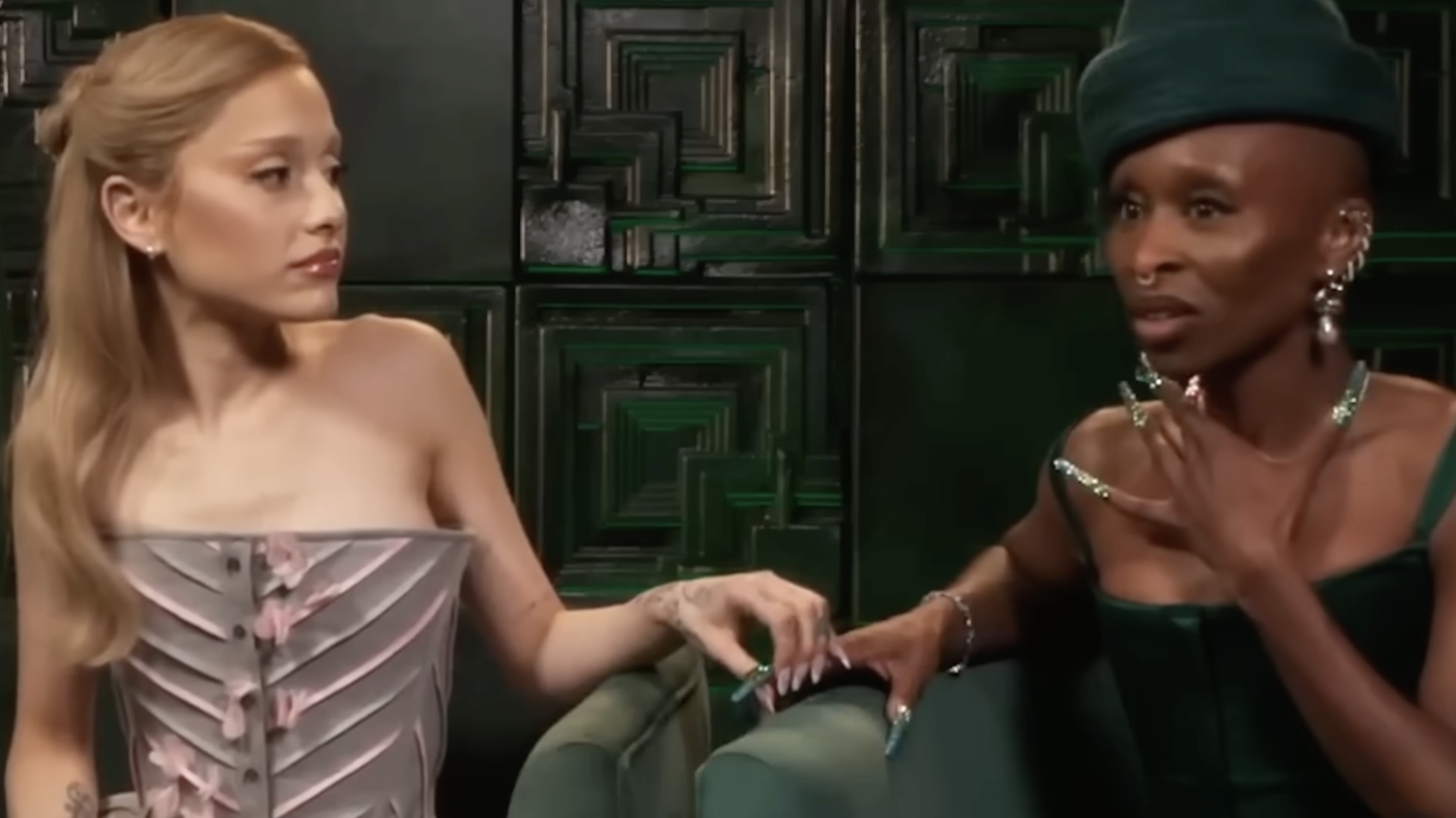
On a recent afternoon, a corner of the internet decided Ariana Grande and Cynthia Erivo were in love.
Not in the normal,gossipy way that comes with two famous people spending time together. This was stranger, more specific: TikTok users confidently declaring that theWickedco‑stars were in a 'semi‑binary relationship,' a phrase so clumsy it sounds like it escaped from a bad AI generator.
Screenshots of fan theories piled up. Edits of the pair laughing together on set were suddenly being described as proof of something hidden and romantic.
There was just one small problem. None of it was true.
What began as a muddled attempt by some fans to talk about gender identity and queerness had quickly hardened into a narrative: Grande and Erivo were not only secretly together, but their supposed 'semi‑binary' status explained everything from their fashion choices to the way they looked at each other on red carpets.
Behind the viral posts sits a more serious question: how easily can made‑up language and wishful thinking rewrite the lives of two women who have been very clear about who they are?
Ariana Granade & Cynthia Erivo reveal that they are in a:-“Non-Demi-curious-semi-binary Relationship” ‼️pic.twitter.com/2RWnb9eS7D
To understand how bizarre this all is, it helps to look at the facts that sit, unglamorously, beside the spiralling speculation.
Cynthia Erivo came out publicly as queer in 2021 and later confirmed she is non‑binary, explaining that she uses she/her and they/them pronouns. Ariana Grande, meanwhile, has spoken about not feeling the need to label her sexuality and has long embraced LGBTQ+ fans and collaborators, but has not identified as non‑binary.
Into that mix, some corners of TikTok have inserted a term that simply doesn't exist in any credible conversation about gender: 'semi‑binary.'
Source: International Business Times UK
