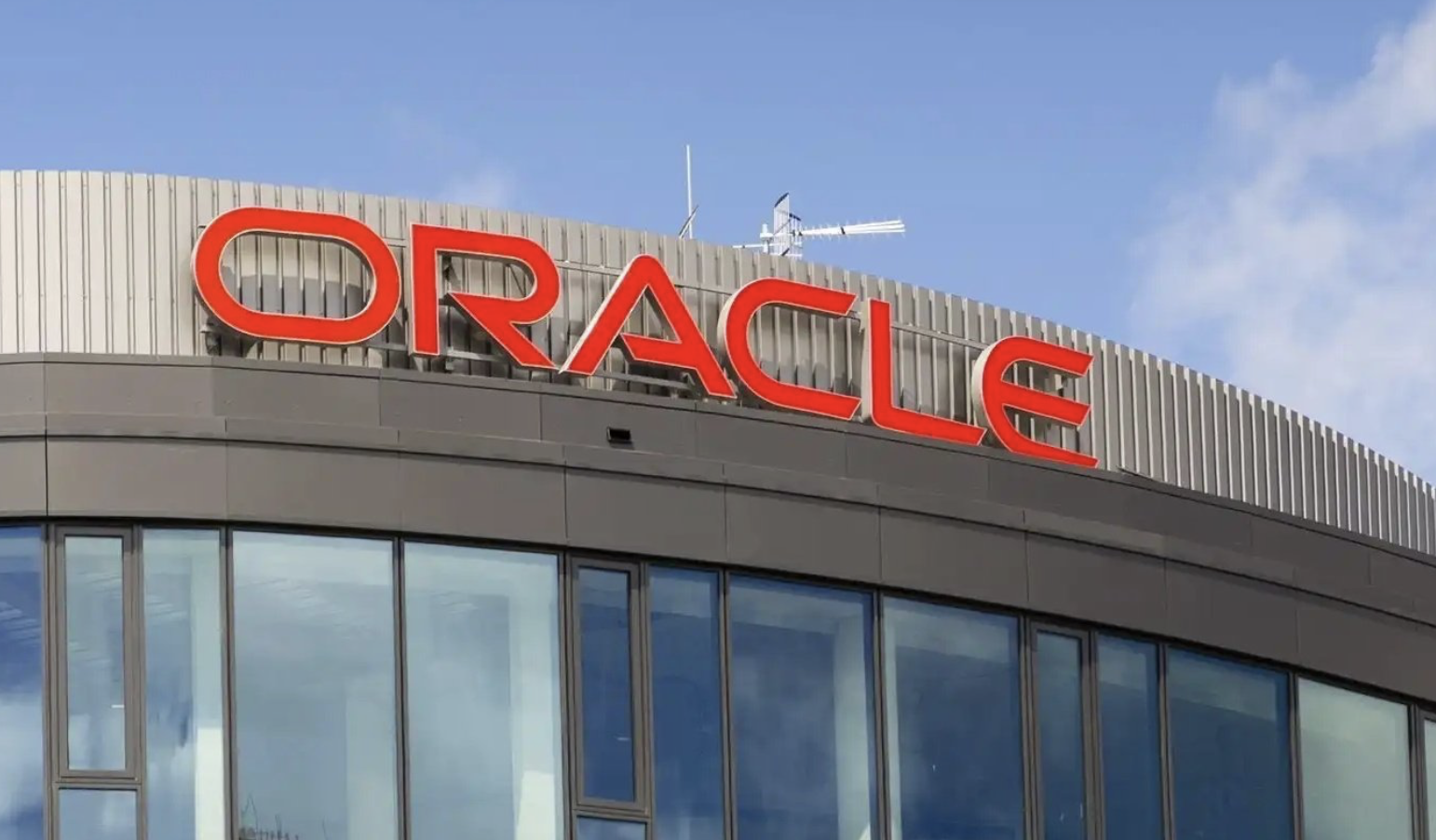
Oracle Corp is now wrapping up its biggest downsizing on record, with thousands of departures scheduled to take effect between 1 June and 15 June.
Once these final exit dates pass, the tech giant will have cut roughly 18% of its global headcount—amounting to a staggering30,000lost jobs.
The massive staff cuts stand in stark contrast to Oracle's performance just weeks earlier, when the company posted strong financial results. Driven by surging cloud sales and a rapidly expanding artificial intelligence division, the business had actually managed to beat market expectations.
A Tech Times report highlights a remarkably strong performance for Oracle in its third fiscal quarter of 2026, with major expansions recorded across multiple core operations. Total revenue jumped 22% compared to the previous year to reach $17.2 billion (£12.78 billion), propelled largely by a 44% surge in cloud sales, which, at $8.9 billion (£6.62 billion), now generates more than half of the company's overall intake.
We've covered Oracle extensively since they first hit our tracker on March 10th. 30,000 Americans fired. That alone would be enough.But Oracle also filed over 3,100 H-1B visa petitions while those layoffs were happening. Fire the domestic workforce, bring in foreign labor at…https://t.co/pbwQ0edhl4pic.twitter.com/BYyQPny4dm
Momentum proved even stronger across the firm'sartificial intelligence ventures, where Oracle Cloud Infrastructure's AI sector saw intake skyrocket by 243%, alongside an exceptional 531% surge in multi-cloud database returns. These gains helped push the company's GAAP net income to a substantial $3.7 billion (£2.75 billion) for the three months.
Management has not kept the strategy driving these sweeping changes under wraps. According to the Tech Times report, Oracle has earmarked roughly $50 billion (£37.16 billion) for capital investment during the 2026 fiscal year, prioritising the construction of AI data centres and the rapid expansion of its infrastructure networks.
Oracle is also playing a pivotal role in Stargate, the massive artificial intelligence infrastructure initiative backed by OpenAI and SoftBank. Senior management has framed the job cuts as a deliberate pivot, moving funding away from staff-heavy departments so the business can pour its resources directly into these core AI developments.
Future commitments to the company have also soared, with backlogged orders climbing 325% over the year to hit a monumental $553 billion (£411.03 billion), driven by an appetite for multi-year AI infrastructure deals. Yet, as the Tech Times report notes, Oracle is balancing this pipeline against roughly $135 billion (£100.34 billion) in outstanding loans and debt, making the tight regulation of its cash reserves a critical element of its current approach.
As their final days at the firm arrive, departing workers are carefully weighing up their exit packages and deciding whether to accept the terms. Oracle has structured its payouts around length of service, granting four weeks of basic salary for the first year on the job, plus an extra week for each additional year completed, up to a 26-week limit.
Source: International Business Times UK
