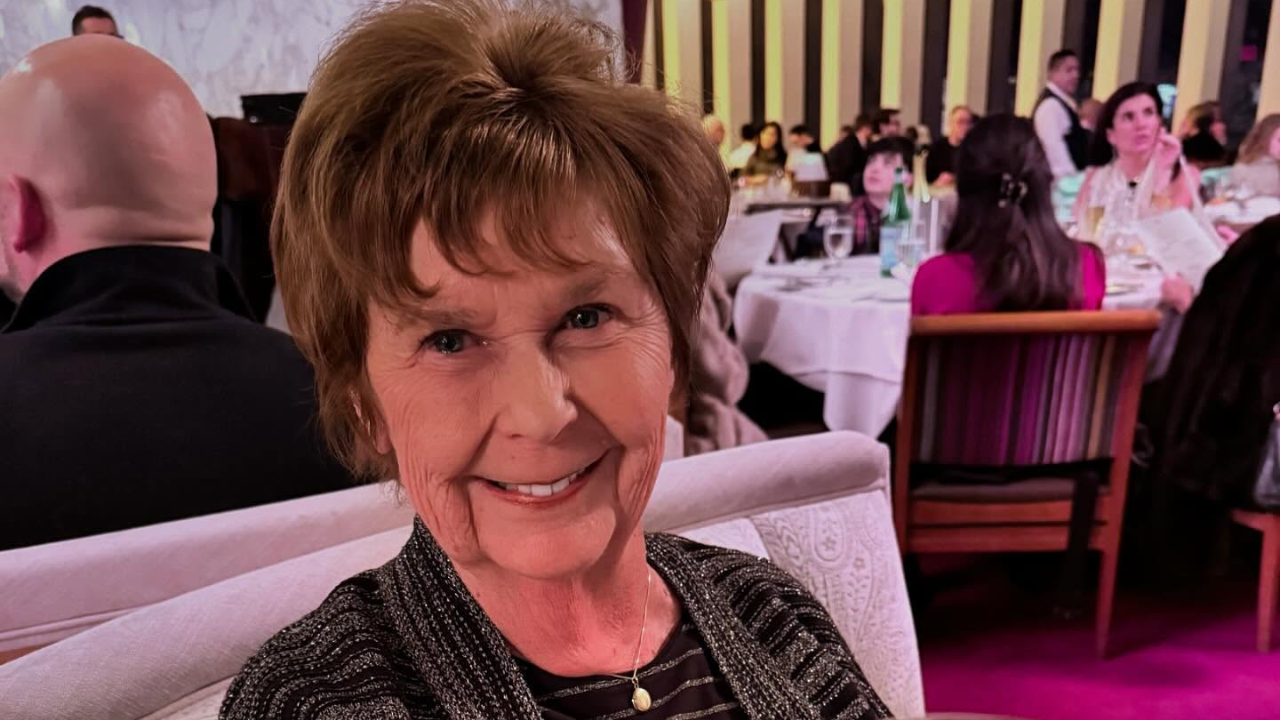
The question followed Savannah Guthrie everywhere: in text messages, on Facebook, in the strained pauses when an old acquaintance finally picked up the phone.
By then, in early December 2022, there was already an answer of sorts. Her mother, 67‑year‑old retired teacher Nancy Guthrie, had been found dead in a thin strip of woodland beside a New Jersey highway.
But that bare fact only opened up more uncomfortable questions, not just about how Nancy had died, but about why her daughters suddenly seemed to be treated less like devastated relatives and more like suspects in some half‑formed crime drama.
'We have been dragged through the mud for nine months,' Savannah told RadarOnline.com. 'We have literally been terrorised by an investigation that should never have happened.'
The Guthries now saythey are weighing legal action over how the case was handled. It sounds, at first glance, like a familiar American story about police overreach.
Look a little closer, though, and it is also about something far more mundane and insidious: how quickly a grieving family can be recast as a potential threat, and how hard it is to shake that off even when the official paperwork finally tells a different story.
TheNancy Guthrie casedid not begin with a crime scene. It began with a daughter walking into a New York police station because her mother had vanished.
Savannah had brought Nancy from Hudson, Wisconsin, to New York City. Her mother, a former teacher, had long struggled with mental health problems and, the family says, suffered dissociative episodes.
Late in 2022, as Manhattan slid into winter, Savannah told officers her mother might have become disoriented and wandered away. The NYPD would later say she reported Nancy missing near Koreatown.
From that moment, the story stopped belonging solely to the family. It belonged to the system.
Source: International Business Times UK
