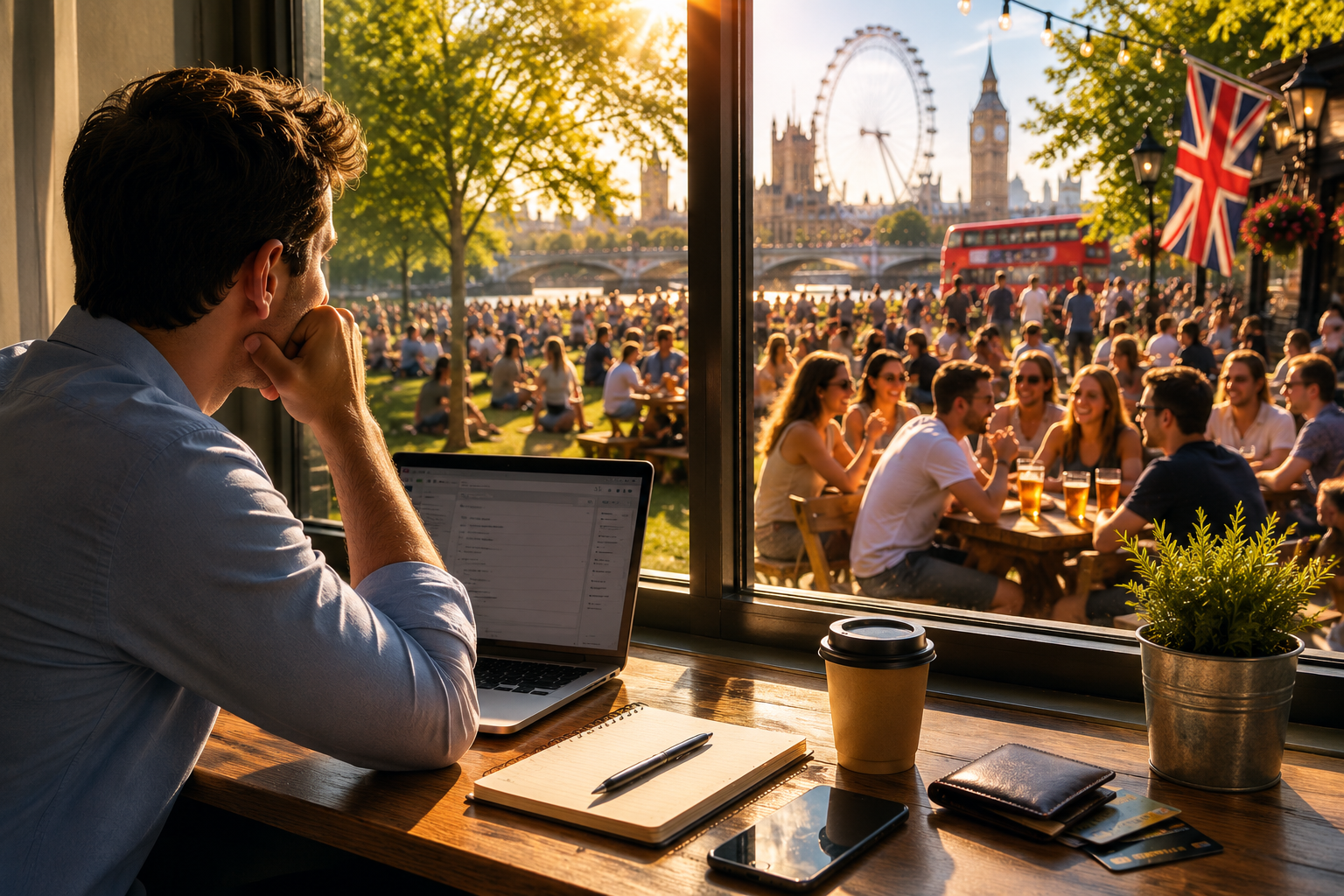
Rare sunshine periods are reshaping UK spending, productivity, and social behaviour. As temperatures rise, pubs, beaches, and transport networks experience surges in activity as consumers make the most of theheatwave.
Pub operators reported a 30-40% year-on-year increase in trade during April's warm weather, with Dom Jacobs of Ardent pub group noting inThe Morning Advertiserthe boost in sales. Travel forecasts suggest up to 23 million car trips could occur over the warm weekend, as Brits head to coastal destinations and hotspots.
Beyond the immediate economic impact, behavioural experts say the UK's relationship with heat reveals deeper aspects of British psychology. In a country where sunshine is seen as fleeting and unpredictable, heatwaves create a sense of urgency around leisure and outdoor activities, prompting more spontaneous spending and prioritising experiences.
Unlike countries where heat is routine, UK sunshine is viewed as a limited opportunity to be fully enjoyed. In cities like London, parks, rooftop bars, and outdoor venues fill quickly during hot weather, making the heatwave economy increasingly visible in social and consumer behaviour.
Research into behavioural responses during the July 2022 UK heatwave found that nearly half of participants experienced negative wellbeing effects, including disrupted sleep, reduced cognitive function, and adverse emotional and social impacts.
The study, published inEnvironmental Development, also noted that the UK's positive cultural associations with warm weather can reduce willingness to adopt protective behaviours, as many people continue to associate sunshine with freedom, happiness, and social opportunity despiteincreasing health risks.
This cultural framing is reflected in media coverage of extreme heat. Research led by theUniversity of Exeterfound that while news articles often emphasized danger and disruption, imagery overwhelmingly portrayed happiness, leisure, and celebration—showing blue skies, outdoor socialising, and people enjoying the sunshine. This reinforces the idea that heatwaves are emotionally linked to freedom and enjoyment, despite public health concerns.
This psychological relationship with warm weather may also explain why heatwaves can intensify feelings of pressure or 'FOMO', especially when sunshine coincides with work or routine obligations. In countries like the UK, where extended hot weather is relatively rare, consumers may feel a stronger need to maximise outdoor time and social activity while conditions last.
The economic effects of heatwaves are increasingly visible across retail, hospitality, and travel sectors. During previous warm spells,independent UK retailersreported sales increases of up to 11%, especially in categories like summer clothing, drinks, and outdoor products.
Hospitality businesses also benefited from rising demand, particularly among pubs, beer gardens, and outdoor dining venues.
Source: International Business Times UK
