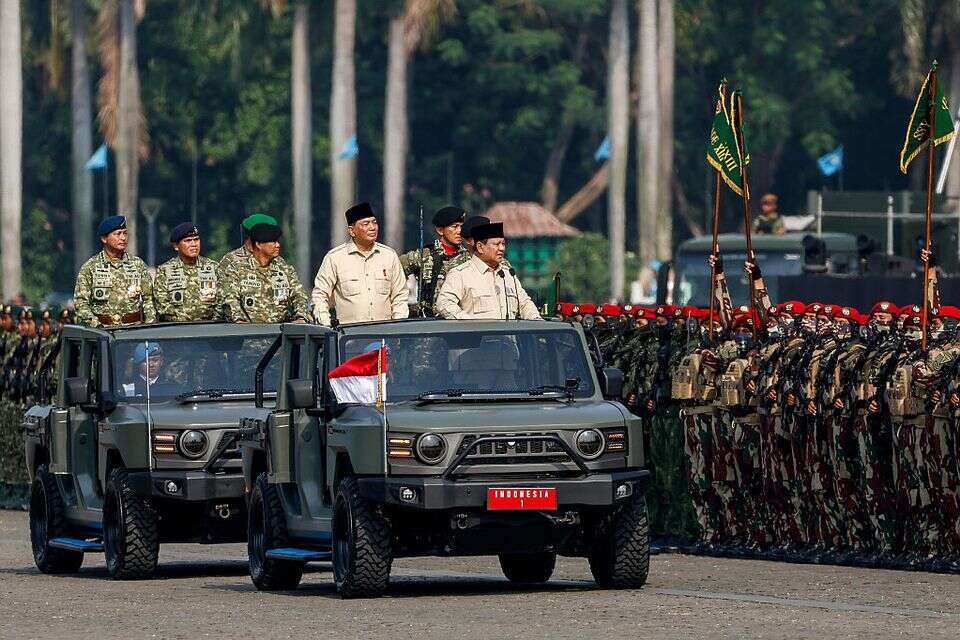
In a bold escalation of its longstanding support for Palestine, Indonesia's military high command announced plans Tuesday to deploy up to 5,000 troops to the Gaza Strip, marking the Southeast Asian nation's first direct military involvement in the Middle East conflict. The initiative, dubbed Operation Zaitun, aims to provide humanitarian aid, secure distribution corridors, and protect civilians amid the protracted war between Israel and Hamas. Defense Minister Sjafrie Sjamsoeddin revealed the decision during a press conference in Jakarta, emphasizing Indonesia's moral obligation as the world's largest Muslim-majority nation to intervene where international bodies have faltered.
The deployment would represent a seismic shift in Indonesia's foreign policy, which has historically advocated for Palestinian statehood through diplomacy and aid rather than boots on the ground. Officials cited the dire humanitarian crisis in Gaza—where over 40,000 deaths have been reported since October 2023, according to Gaza health authorities—as the primary catalyst. Troops, drawn from elite infantry battalions and engineering units, would operate under a proposed UN mandate, though Jakarta has signaled willingness to proceed unilaterally if vetoed by Security Council powers. Logistics include airlifts via C-130 Hercules aircraft and naval support from the Indonesian fleet staging in the Indian Ocean.
Indonesia's move comes against a backdrop of frustration with stalled ceasefire talks and accusations of Israeli overreach. President Prabowo Subianto, a former general with ties to the military, framed the mission as a fulfillment of the nation's constitutional duty to combat oppression globally. Domestically, the plan has galvanized pro-Palestine rallies in Jakarta and Surabaya, but drawn criticism from secular groups wary of entangling Indonesia in a volatile sectarian war. Economic analysts warn of potential backlash from key trading partners like the United States and Australia, who view the deployment as provocative.
International reactions were swift and divided. Israel condemned the announcement as "reckless adventurism," with Prime Minister Benjamin Netanyahu's office stating it would be treated as a hostile act. Conversely, allies like Turkey and Malaysia hailed it as courageous leadership, while Iran offered logistical support. The United States urged restraint, citing risks to regional stability, and the UN Secretary-General called for de-escalation. As preparations accelerate, the plan underscores a growing multipolar challenge to Western dominance in Middle East peacemaking, with Indonesia positioning itself as a bridge between the Global South and Islamic world.
Should Operation Zaitun materialize, it could reshape alliances in unexpected ways. For Gaza's beleaguered population, the influx of disciplined Indonesian forces might alleviate siege conditions, but experts caution that without broader Arab League buy-in, the mission risks becoming a lightning rod for violence. Jakarta's gamble reflects broader trends of non-Western powers asserting influence in protracted conflicts, potentially heralding a new era of hybrid interventions blending aid, security, and soft power projection.
