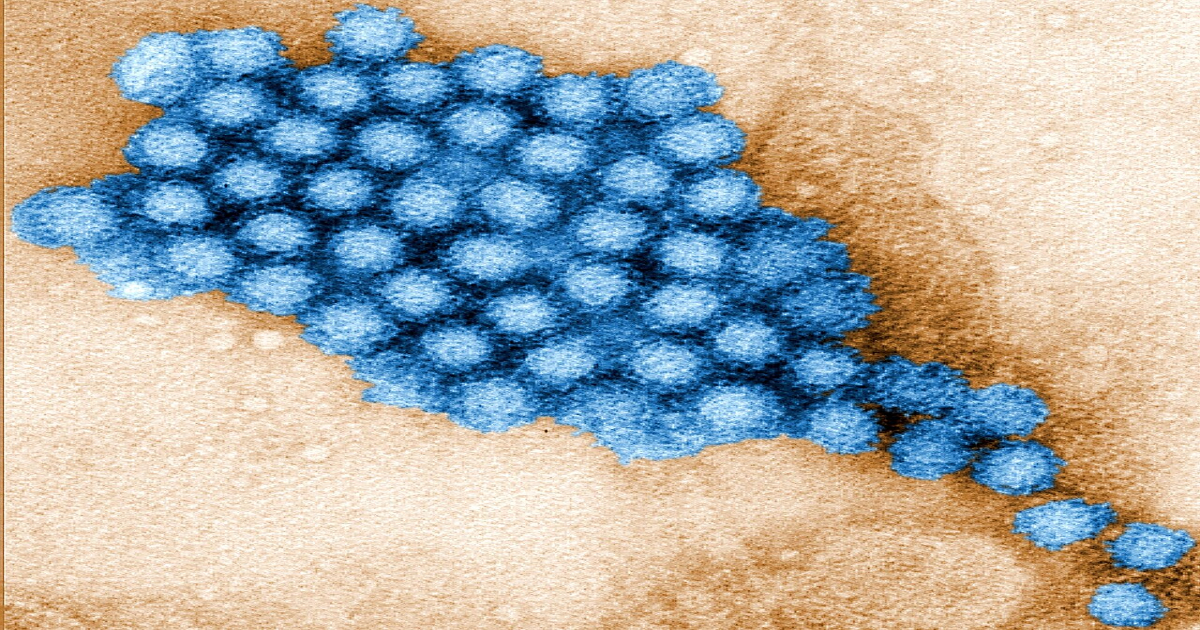
A highly contagious virus known for causing sudden vomiting and diarrhoea is once again spreading across the United States, raising fresh concerns about public health as cases climb in unexpected regions.
What began as reports of sick hikers along Southern California's iconic Pacific Crest Trail has evolved into a broader national story. New surveillance data suggests norovirus activity is increasing across large parts of the country, with experts closely monitoring the situation despite insisting that current levels remain largely consistent with seasonal expectations.
Recent data from WastewaterSCAN, a disease-monitoring programme led by Stanford University researchers, categorised norovirus activity as 'high' nationwide during late May. The surveillance system detected the virus in every wastewater sample collected during the month, with particularly elevated concentrations reported across the Northeast and Midwest. According toreports, the trend has continued to move upwards rather than declining as quickly as many would expect at this time of year.
The rise comes as health officials investigate an outbreak affecting hikers near Wrightwood in California's San Gabriel Mountains. More than two dozen hikers reportedly fell ill over a two-week period, with at least one person requiring an air rescue after developing severe symptoms.
Additional surveillancedatafrom the US Centers for Disease Control and Prevention (CDC) has also shown a multi-week increase in positive norovirus tests following a seasonal decline that began in March. While positivity rates remain below winter peaks, the latest figures indicate that transmission remains active across multiple regions.
Despite alarming headlines, public health experts caution against viewing the current rise as an unprecedented outbreak.
Amanda Bidwell, scientific programme manager for WastewaterSCAN, toldUSA Todaythat norovirus concentrations typically begin increasing during autumn, peak around early March and then gradually decline throughout spring. Current levels, she explained, are generally in line with what experts would expect for this stage of the year.
CDC data support that assessment. Through its NoroSTAT surveillance network, the agency tracked more than 1,000 norovirus outbreaks between August 2025 and April 2026. While significant, those figures remain within the historical range observed during previous seasons.
However, wastewater monitoring may provide a more complete picture than official outbreak counts because many infected individuals never seek medical treatment. Most people recover at home, meaning their cases are never formally recorded. Wastewater surveillance can therefore reveal hidden levels of community transmission that traditional reporting systems may miss.
Though it is commonly called the "winter vomiting disease," norovirus outbreaks are still cropping up around the country in late May.https://t.co/IT9l4ZhZcx
Source: International Business Times UK
