A prominent Hong Kong businessman faces charges for allegedly orchestrating surrogacy services abroad, marking a rare crackdown on the underground facilitation of international reproductive arrangements. Li Wei-ming, 52, a property developer with ties to mainland China, was arrested last week at Hong Kong International Airport upon his return from Thailand. Prosecutors accuse him of running a network that connected wealthy clients with surrogate mothers in the United States and Ukraine between 2020 and 2025, charging fees upwards of HK$2 million per arrangement.
The operation, codenamed "Golden Nest" by investigators, involved recruiting Hong Kong and mainland couples unable to conceive naturally or through local IVF clinics. Li's company, ostensibly a medical tourism agency, arranged travel, legal documents, and payments to surrogacy clinics overseas, evading Hong Kong's strict prohibitions on commercial surrogacy. Under the Human Reproductive Technology Ordinance, paying for surrogacy services is illegal, punishable by up to 10 years in prison and fines exceeding HK$1 million. Authorities uncovered the scheme through a tip from a disgruntled client and subsequent financial audits revealing suspicious cross-border transfers totaling over HK$100 million.
Li's arrest highlights the growing demand for surrogacy among affluent Asians amid tightening domestic fertility policies. Hong Kong's low birth rate—1.09 children per woman in 2024—has fueled a shadow industry of overseas arrangements, with clinics in California and Eastern Europe catering to Chinese clients. Experts note that while altruistic surrogacy is permitted in Hong Kong if no payment is involved, the commercial model dominates globally, creating ethical dilemmas over exploitation and child trafficking risks. Li's clients included executives and celebrities, some of whom have quietly welcomed babies born abroad without disclosing origins.
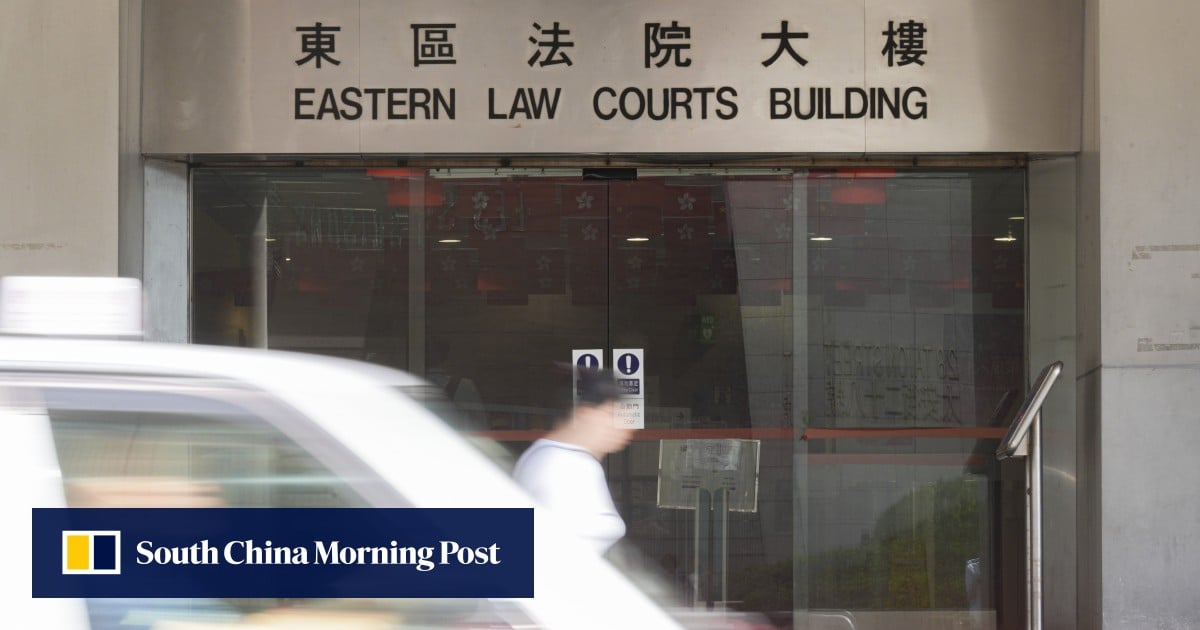
Public reaction has been swift and divided. Advocacy groups like the Family Planning Association of Hong Kong praised the charges as a deterrent to "commodifying motherhood," while pro-natalist voices argue for legalizing regulated surrogacy to boost population growth. Legal analyst Professor Chan Siu-yin from the University of Hong Kong described the case as a "test for enforcement," predicting it could lead to broader scrutiny of fertility tourism agencies. Li was granted bail of HK$5 million and is scheduled to appear in Eastern Magistrates' Court next month.
As Hong Kong grapples with its demographic crisis, this prosecution underscores the tension between personal reproductive rights and regulatory boundaries. With similar busts in mainland China last year, regional authorities signal zero tolerance for bypassing bans, potentially reshaping how high-net-worth individuals pursue parenthood. The case's outcome may set precedents for future international surrogacy probes, balancing compassion with the rule of law.
