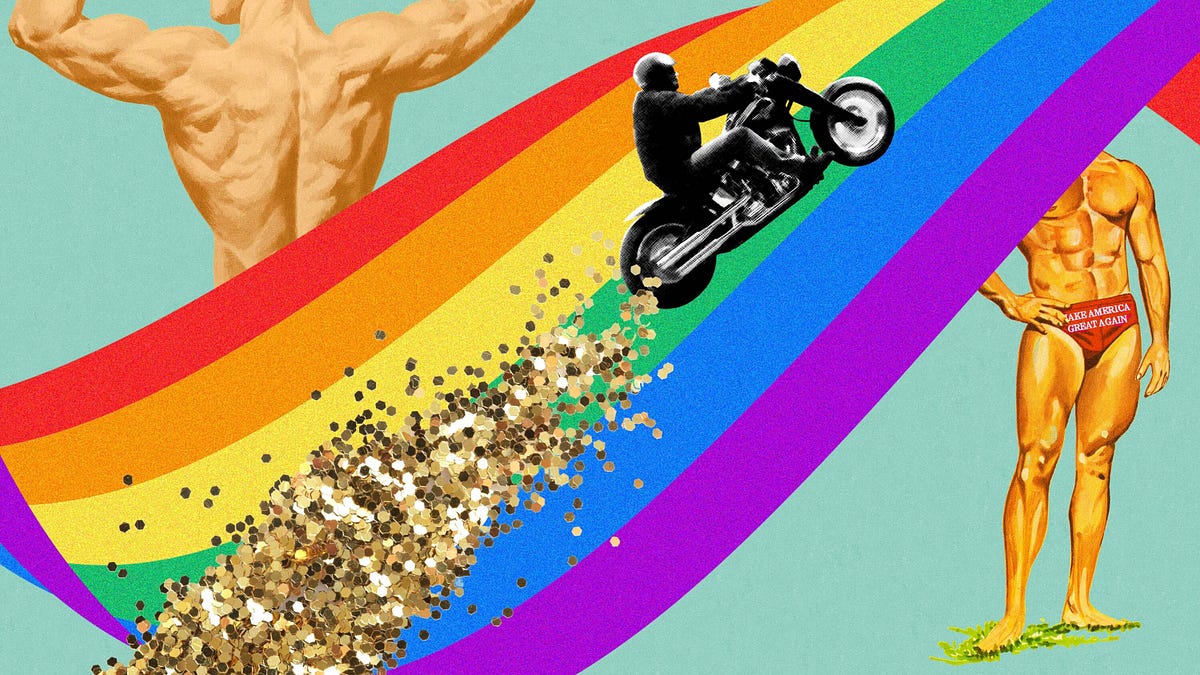
THE CONSERVATIVE INFLUENCERS have spoken: Harley-Davidson—whose motorcycles helped create the paradigm of American masculinity—is in fact woke and gay.
The past week has seen wave after wave of MAGA personalities and meme accounts decide, seemingly out of nowhere, that Harley-Davidson was companynon grata. MAGA influencer Priya Pateldeclaredthe manufacturer “fundamentally anti-American,” whileHerculesactor-turned-tweeter Kevin Sorbosaidhis friends were abandoning Harley-Davidson en masse.
Conservative meme account “Prison Mitch” told his more than 100,000 followers that Harley-Davidson is “woke and gay” then posted a picture of a man in a biker’s vest having gay sex (jarring but basically SFW),quippingthat Harley-Davidson riders rode a very different kind of “hog.”
Right-wing attacks on supposedly liberal corporations aren’t new. But, beyond the confrontational imagery, this campaign against the motorcycle giant stands out for the fact that Harley-Davidson doesn’t appear to have done anything terribly “woke.”
Instead, the effort seems designed squarely just to benefit Indian Motorcycle, a Harley rival. How can you tell? Because basically every influencer throwing a grenade at Harley is also simultaneously boosting its competitor. Prison Mitch, for example,posteda Marco Rubio meme with the secretary of state in an Indian biker’s vest.
“Harley Davidson spent years pandering to activists and corporate DEI politics,”complainedpro-Trump personality Isabella Maria DeLuca, who is not a noted motorcycle enthusiast. “Indian Motorcycle spent years building motorcycles and honoring American heritage.”
The curious operation against Harley-Davidson appears to be just the latest example of pay-for-play coverage on the right, in which undisclosed paymentswashthroughMAGA mediawith the apparent aim of whipping up a social media frenzy against a “woke” business or political foe.
It’s not clear who, if anyone, organized the latest attacks. And neither Harley-Davidson nor Indian responded to requests for comment. But the arrangement seemed obvious enough that Trump adviser and digital political consultant Alex Bruesewitz, openly blurted out that it had to be the end product of a paid campaign.
“Here is an example of a coordinated influencer campaign on X,” Bruesewitz tweeted last week, attaching a screenshot of one post from the apparent campaign. “Copy and paste talking points about a random issue. And yes, foreign countries also pay influencers for certain campaigns like this. We need stronger disclosure laws!”
Bruesewitz quickly deleted the tweet, and hasn’t commented on the matter since.
Source: Drudge Report
