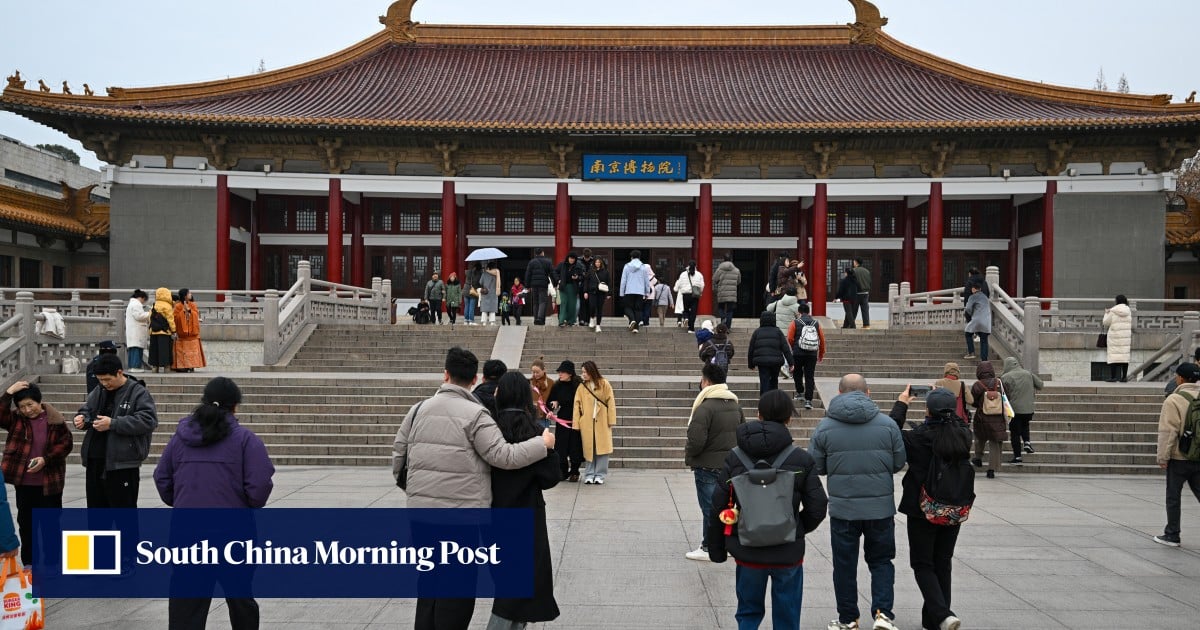
A sweeping investigation by Chinese authorities into the Nanjing Museum has uncovered allegations of chronic mismanagement and deep-rooted corruption spanning decades, threatening the integrity of one of the nation's most revered cultural institutions. The probe, initiated by the Ministry of Culture and Tourism, claims that lax oversight led to the deterioration, loss, and even illicit sale of invaluable artifacts, including ancient bronzes and Ming Dynasty porcelain that form the backbone of China's historical narrative.
Details emerging from the inquiry paint a grim picture: auditors discovered falsified inventory records dating back to the 1990s, with over 200 artifacts unaccounted for and evidence of substandard storage facilities accelerating decay. High-level officials, including former directors, face accusations of embezzling funds meant for conservation—millions of yuan diverted to personal accounts or kickbacks from black-market dealers. The scandal erupted after a whistleblower report in late 2025 highlighted suspiciously pristine "replicas" on display, prompting forensic analysis that confirmed several as modern forgeries.
The Nanjing Museum, established in 1933 and home to more than 400,000 items chronicling Jiangsu province's imperial legacy and the Nanjing Massacre atrocities, has long symbolized China's cultural pride. Yet, insiders reveal this is not an isolated incident; similar probes have rocked institutions like the Shanghai Museum in recent years, pointing to systemic vulnerabilities in funding and governance amid rapid urbanization and tourism booms.
Museum director Li Wei was suspended pending further investigation, while provincial prosecutors vowed swift action against implicated parties. Public outrage has surged online, with Weibo users decrying the betrayal of national heritage and demanding transparency. Experts like archaeologist Professor Zhang Rui from Peking University warn that such scandals erode public trust and could invite international scrutiny, especially as China positions itself as a guardian of global patrimony.
Beyond the immediate fallout, the probe underscores broader tensions in China's cultural sector, where aggressive development often clashes with preservation efforts. Analysts predict reforms, including digital inventories and stricter audits, but skeptics question whether political pressures will dilute accountability. As the investigation unfolds, the Nanjing Museum scandal serves as a stark reminder of the fragility of history in the face of human frailty.